
It’s a scene that has played out in community centres up and down the country. A cluster of people, most of them women, inevitably, are nervously waiting to stand on the scales in front of their peers. Will they have lost or gained a few pounds since their last communal weigh-in? But although set-ups like this were once a defining part of diet culture, soon they may become extinct entirely, an archaic throwback to another era.
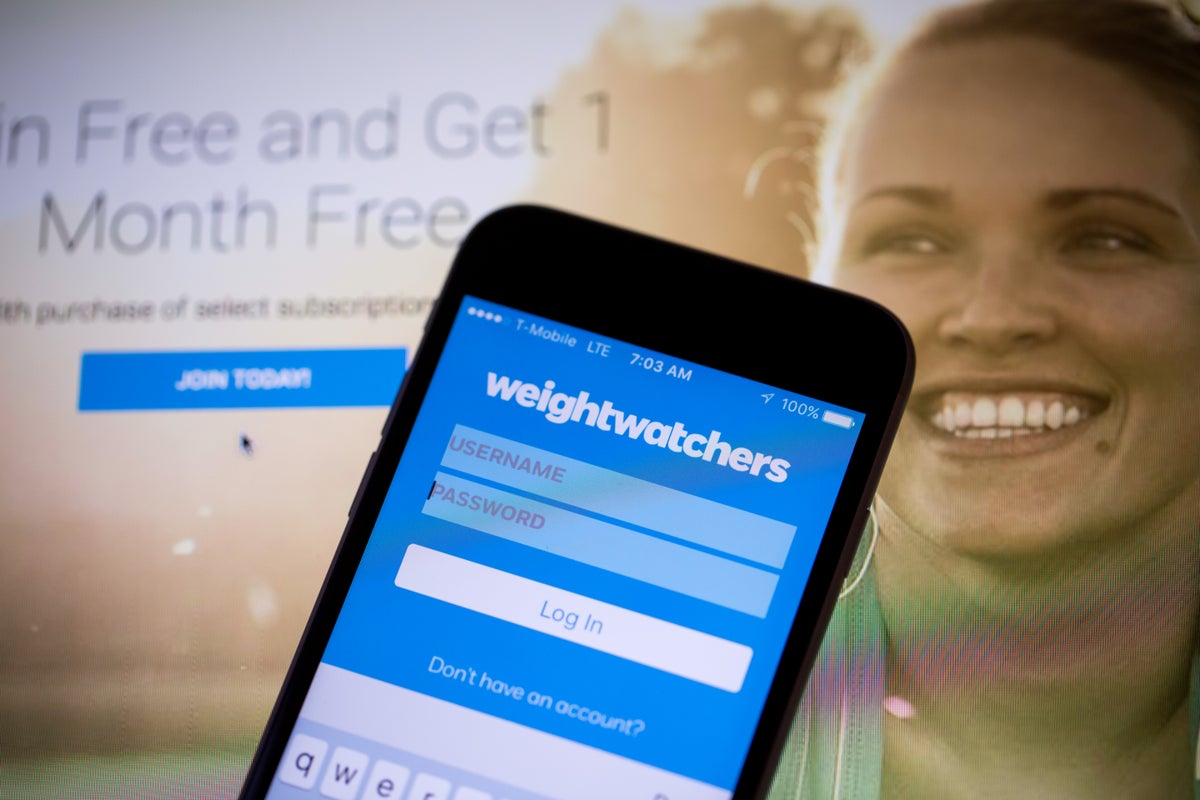
This week, Weight Watchers, the company that commercialised the diet group and has reigned over the industry for around six decades, announced that it had filed for bankruptcy, reportedly in an attempt to eliminate $1.15bn (£863m) worth of debt. Under Chapter 11 rules in the United States, the business has the chance to reorganise its liabilities while continuing to operate. The company also recently revealed a 14 per cent drop in subscribers compared to the same time last year; revenues had decreased by almost 10 per cent over the same period. Its fortunes have been on the slide for a couple of years: in 2024, it reported a net loss of $364m.













