In the past two decades, technology has transformed every aspect of daily life. From the way we communicate to how we shop, work, and relax, digital innovation has created new opportunities and challenges in equal measure. One of the most notable developments has been the rise of live streaming, which has transformed how audiences experience entertainment, connect with others, and participate in cultural events in real-time.
Streaming And The On-Demand Era
Television and cinema were once the cornerstones of home entertainment. Today, live streaming platforms and on-demand services dominate, offering everything from blockbuster releases to independent creators broadcasting from their homes. Audiences can tune in to concerts, gaming sessions, or cultural events as they happen, creating a sense of immediacy and shared experience that traditional media rarely achieve.
This shift has not only altered viewing habits but also reshaped the creative industries themselves. Production companies now design content with global audiences in mind, and algorithms influence what viewers discover next. The convenience and interactivity of live streaming have also raised expectations across other sectors, where consumers now anticipate instant access—whether they’re watching a performance, attending a class, or joining a virtual event.

Source: Pixabay
Gaming, Esports, And Interactive Experiences
Video gaming has become one of the most dynamic areas of live streaming. Platforms such as Twitch and YouTube Live have transformed gaming into a spectator activity, where professional players, streamers, and fans interact in real time. Esports tournaments now attract millions of viewers worldwide, rivalling traditional sports in both scale and sponsorship.
This culture of live engagement has also influenced other areas of digital leisure. Fitness classes, virtual workshops, and even educational platforms use live streaming to create community-driven experiences. For example, some people now explore entertainment options that include iGaming platforms offering real-time online betting, reflecting how traditional pastimes are adapting to a live, interactive format. The trend highlights how leisure spending is diversifying in the streaming space.
Global Connectivity And Cultural Exchange
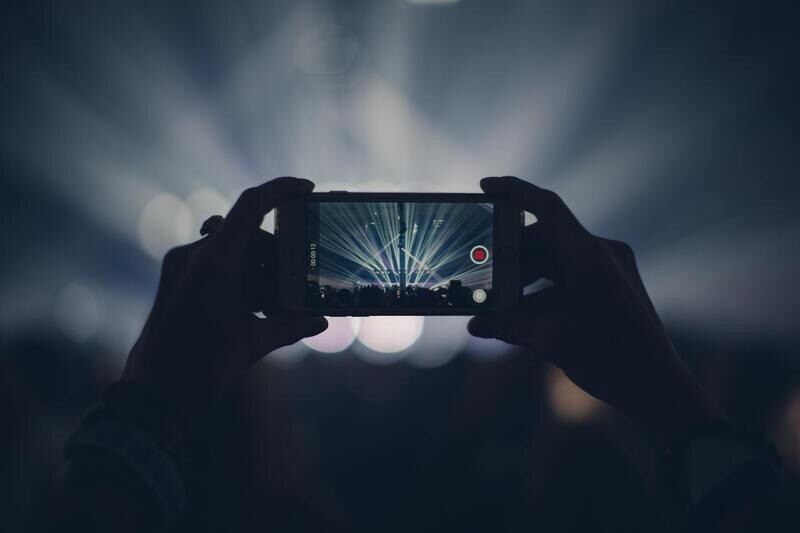
Perhaps the most profound impact of live streaming is the way it connects people across borders. A music fan in London can join a live concert in Seoul, a gamer in Manchester can compete with someone in São Paulo, and a student in Edinburgh can attend a lecture broadcast from New York or Sydney. This instant connectivity fosters cultural exchange and allows audiences to experience global events from their living rooms.
However, it also raises important questions. While live platforms amplify diversity by showcasing international voices, they can also narrow choice through algorithms that favour popular channels. Smaller creators can really struggle for visibility, and audiences may find themselves drawn repeatedly to familiar formats. Balancing accessibility with variety will be key to ensuring that live streaming continues to enrich, rather than homogenise, global culture.
Source: Pexels
The live streaming revolution is still in its early stages. Emerging technologies such as artificial intelligence, ultra-fast connectivity, and the metaverse promise to make live interactions even more immersive. At the same time, concerns about data privacy, screen fatigue, and the environmental footprint of streaming infrastructure will continue to shape the conversation.
What’s clear is that live streaming has changed entertainment and leisure forever. It has blurred the boundaries between creator and audience, redefined social connection, and made real-time participation an everyday expectation. For individuals, it offers more choice and immediacy than ever before. For industries, it demands constant adaptation to keep pace with an audience that now expects the world to go live at any moment.