Get all your news in one place.
100’s of premium titles.
One app.
Start reading
The Free Financial Advisor
Brandon Marcus

The Credit Card Balance Growth Slowdown That Signals Financial Stress in 2026

Image source: shutterstock.com

Every so often, a financial trend pops up that looks positive at first glance, only to reveal something far more complicated once you dig in. That’s exactly what’s happening with the credit card balance growth slowdown in 2026.

On the surface, slower growth sounds like a win — as if people are finally catching a break, paying down balances, and getting ahead. But the reality is much less comforting. Instead of signaling financial strength, this slowdown is pointing to something more unsettling: consumers hitting their limits, tightening their budgets, and struggling to keep up with rising costs.
When Spending Power Hits a Wall

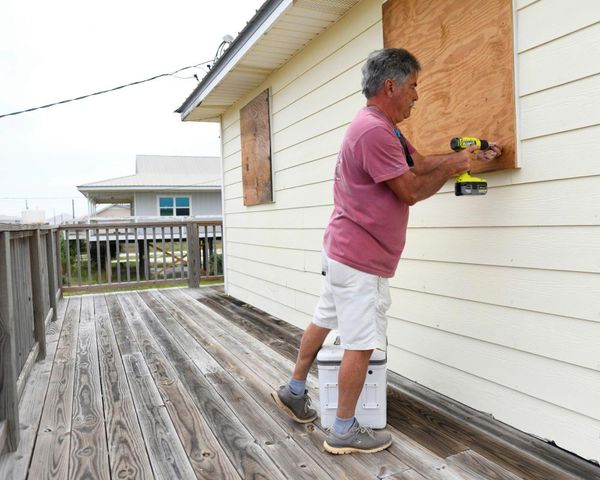
Credit card balances typically rise when people feel confident enough to spend, whether that’s on everyday purchases or bigger-ticket items. But in 2026, the pace of that growth has cooled. This isn’t happening because households suddenly became more disciplined or discovered a collective love for minimalism. It’s happening because many consumers have reached the point where they simply can’t put more on their cards.

Higher interest rates have made carrying a balance more expensive, and everyday essentials continue to stretch budgets thin. When people stop adding to their balances, it’s often because they’ve run out of room — not because they’ve run out of needs.

The Interest Rate Squeeze That Won’t Let Up

One of the biggest forces behind this slowdown is the cost of borrowing itself. Credit card interest rates have climbed to some of their highest levels in decades, making every purchase more expensive over time. Even small balances can balloon quickly when rates are this high, leaving consumers with less flexibility and more anxiety.

As interest charges eat up a larger share of monthly payments, people have less room to spend, save, or pay down principal. The result is a kind of financial gridlock: balances aren’t rising as fast, but they’re not shrinking either. If you’re carrying a balance, reviewing your interest rate, negotiating a lower one, and exploring your options can make a meaningful difference.

Inflation’s Lingering Grip on Household Budgets

While inflation has cooled from its peak, the effects are still very much alive in household budgets. Prices for groceries, utilities, insurance, and other essentials remain elevated, and many families are still adjusting to the new normal. When more of your paycheck goes toward necessities, there’s less left for discretionary spending — and less room to absorb unexpected expenses.

This pressure shows up in credit card data as slower balance growth, but the underlying story is one of households stretched thin. If you’re feeling the squeeze, tracking your spending for a month can help you identify areas where small adjustments might free up breathing room.

Rising Delinquencies Reveal the Real Story

Another key indicator that the slowdown isn’t a sign of financial health is the rise in credit card delinquencies. More consumers are falling behind on payments, especially younger borrowers and those with lower incomes. When delinquencies rise at the same time balance growth slows, it suggests that people aren’t spending less because they’re thriving — they’re spending less because they’re struggling.

This combination paints a picture of households juggling too many financial obligations at once. If you’re worried about falling behind, reaching out to your card issuer early can sometimes lead to temporary relief options.

The Shift Toward Alternative Borrowing

As credit cards become harder to manage, many consumers are turning to other forms of borrowing. Personal loans, buy-now-pay-later plans, and even payday loans have seen increased usage as people look for ways to bridge financial gaps. While some of these tools can be helpful when used responsibly, they can also create new challenges if they’re used to cover recurring expenses.

The shift away from credit cards doesn’t mean people are spending less — it means they’re spreading their debt across more platforms. If you’re considering alternative financing, comparing interest rates and repayment terms can help you avoid long-term pitfalls.

Why This Slowdown Matters for the Bigger Economic Picture

Credit card trends are often a window into the financial health of the broader economy. When balances grow steadily, it usually reflects confidence and stability. When growth slows sharply, it can signal that households are under strain.

In 2026, the slowdown is raising questions about how long consumers can continue to absorb higher prices, higher interest rates, and higher debt burdens. Economists watch these trends closely because consumer spending is a major driver of economic growth. If people are pulling back out of necessity, it could shape the economic landscape for the rest of the year.

Image source: shutterstock.com

Finding Stability in a Year of Financial Uncertainty

The credit card balance growth slowdown may not be the good news headline people hoped for, but it does offer a chance to reassess and reset. Understanding what’s driving the trend can help you make smarter decisions about your own finances.

Whether that means prioritizing high-interest debt, building a small emergency buffer, or simply becoming more intentional with spending, small steps can create meaningful progress. The financial landscape may feel unpredictable, but taking control of the pieces you can manage is a powerful way to stay grounded.

What financial trend in 2026 has surprised you the most so far? Are you using your credit card more or less in the new year? Let us know in the comments section below.

You May Also Like…

Bankrate Projects Credit Card Rates Will Only Drop to 19.1% by End of 2026

Credit Card Annual Fees Jumped in 2025 — Some Up to $200

The Credit Score Range That Gets You 17%–21% APR on Credit Cards Right Now

The Credit Score Range That Gets You 17%–21% APR on Credit Cards Right Now

Americans Carry $1.23 Trillion in Credit Card Debt as 2026 Begins

The post The Credit Card Balance Growth Slowdown That Signals Financial Stress in 2026 appeared first on The Free Financial Advisor.

Sign up to read this article
Read news from 100’s of titles, curated specifically for you.
Already a member? Sign in here
Related Stories
Top stories on inkl right now
One subscription that gives you access to news from hundreds of sites
Already a member? Sign in here
Our Picks
Fourteen days free
Download the app
One app. One membership.
100+ trusted global sources.