Get all your news in one place.
100's of premium titles.
One app.
Start reading
The Conversation
The Conversation
Kelsy Burke, Associate Professor of Sociology, University of Nebraska-Lincoln

The Colorado website designer's win is one of dozens of federal cases where religious beliefs and LGBTQ+ rights have clashed – and the pattern might not be what you think

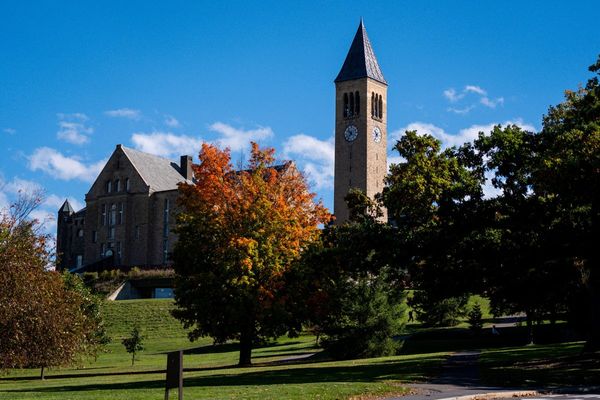
Viewed over decades, the Supreme Court's record on religion-related cases is more complicated than recent headlines suggest. Phil Roeder/Moment via Getty Images

Does a Colorado designer’s belief that marriage is between one man and one woman merit an exemption to state law barring discrimination against LGBTQ+ people? On June 30, 2023, the Supreme Court decided 6-3 that the answer is yes: Requiring a conservative Christian business owner to create wedding websites for gay couples would violate the free speech clause of the First Amendment.

Creating a website constitutes an “expressive activity” protected by the First Amendment, Justice Neil Gorsuch wrote in the majority opinion, and Colorado’s anti-discrimination law would “compel an individual to create speech she does not believe.” Thus, designer Lorie Smith has the right to follow “her conscience about a matter of major significance” and refuse her services for same-sex weddings.

Sign up to read this article
Read news from 100's of titles, curated specifically for you.
Already a member? Sign in here
Related Stories
Top stories on inkl right now
One subscription that gives you access to news from hundreds of sites
Already a member? Sign in here
Our Picks
Fourteen days free
Download the app
One app. One membership.
100+ trusted global sources.