
It all started in November 1971, on my first tour of America with Yes, playing support to bands like Ten Years After. One show we were booked for was a small festival in Hartford, Connecticut, outdoors on a baseball pitch.
That very day I had read a review about a previous concert; the reviewer said that with all the keyboards and pedals I was using, I looked like a giant comical spider, with arms and legs flailing everywhere. I agreed with him: I had to stretch my arms and legs in order to reach all the instruments.

At the festival, we were introduced by a DJ from a local radio station, wearing a short cape that came down to the back of his knees. It was black and had a huge crescent on the back. Straight away I knew it was the answer to my problem... A cape! It would hide all movement and could even look quite elegant.
Yes walked on. Minus me.
“I want to buy your cape”, I said.
“Not for sale”, he said.

By this time, the band were screaming at me to come on stage as our time was running out.
“Look”, I said, “I’ve just been given my week’s wages of $200. I’ll give you the lot for the cape”.
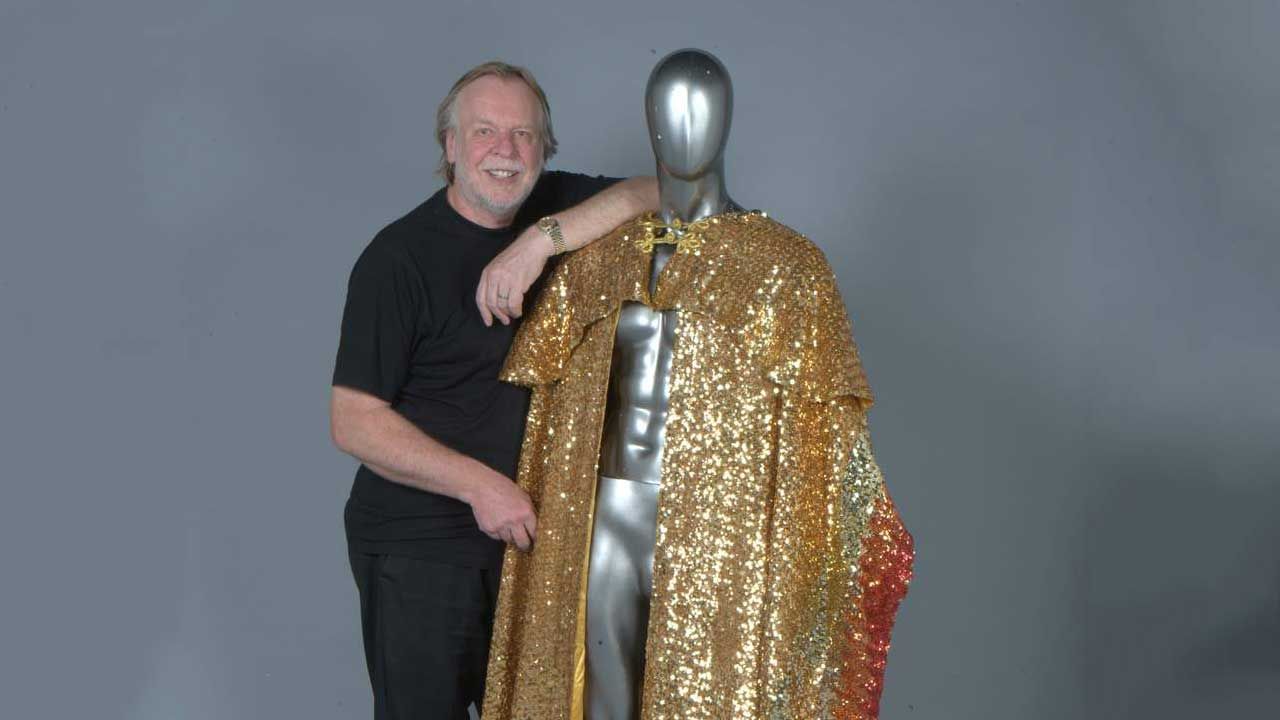
He took the money and gave me the cape, which I put on and walked on stage. It not only worked, but it felt good to play in as well. But I realised that I would need a full-length cape, and commissioned one to be made by a very talented dressmaker, Denise Gandrup, who went on to make all my famous capes.
A new cape was made for every tour, and I have managed to retain all of them except for the very original Journey To The Centre Of The Earth cape worn at the Festival Hall, though the sequined cape from the Journey tours still exists.
It’s strange, but I can’t imagine performing a prog show without wearing one. In the same way an actor wouldn’t want to perform Hamlet in a T-shirt and jeans.
I still have that very first cape I bought from the DJ, and I wish I had asked the guy’s name. I have a lot to thank him for.
This feature originally appeared in Classic Rock Presents Rick Wakeman, published in Nov 2012.