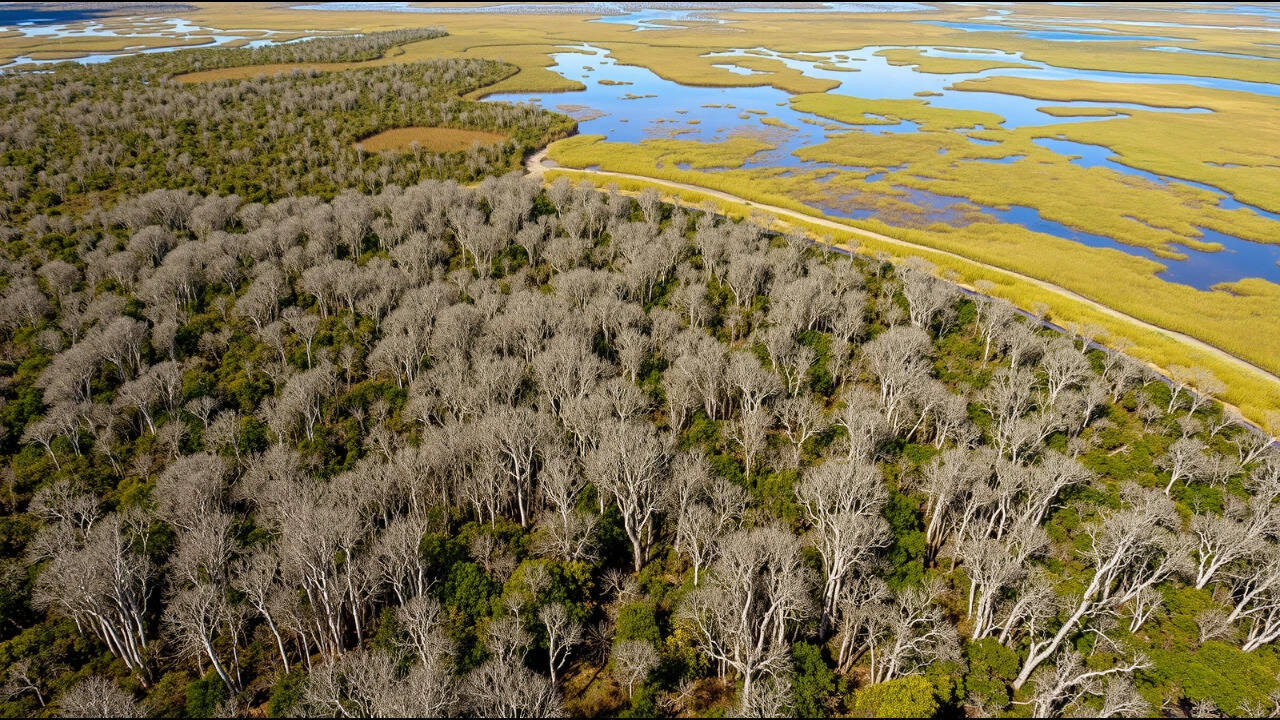
In 1936, a Florida landowner scattered melaleuca seeds from an aeroplane over the eastern edge of the Everglades, part of a deliberate, decades-long effort to dry out what was then widely viewed as unusable swampland and turn it into farmable ground. The tree, a fast-growing Australian species known as the paperbark, seemed perfectly suited to the task, since its roots draw up large volumes of water and release it through its leaves. That aerial seeding was just one chapter in a much longer, messier introduction history stretching back to the 1880s, but it helped accelerate a spread that eventually saw melaleuca infest close to 500,000 acres of South Florida, permanently altering the water flow, fire behaviour and native plant life of one of the most ecologically significant wetlands in the country. What began as a single hopeful flight over swampland now stands as a cautionary lesson in how quickly good intentions can spiral into ecological consequences no one fully anticipated at the time.
Get breaking news anytime, anywhere. Download the TOI app now!