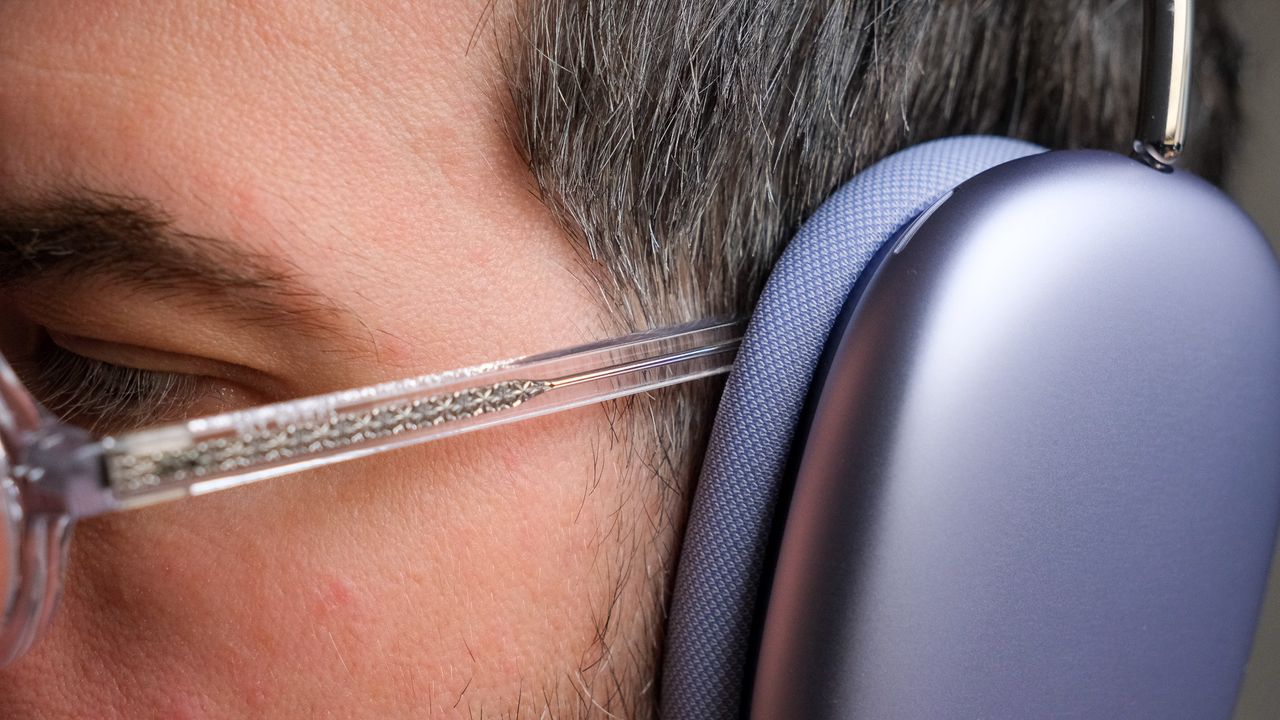
Apple surprised everyone earlier this year by launching the successor to its flagship headphones, the AirPods Max 2. The new cans looked and sounded similar to the original, while introducing just enough changes to get people excited about the update.
This is classic Apple. The company made iterative design the norm in the tech industry, with each iPhone and Apple Watch adding only a few changes that accumulate over time but might not prompt people to upgrade year after year. Some people still do, of course.
The company took this approach to the next level with the AirPods Max 2. The cans launched five years apart, yet they use the same chassis, button layout and headband. The noise-cancelling headphones added the H2 chip, enabling some features, and the sound signature has also been reworked, so there is new stuff.
The number that refused to budge
One thing that hasn’t changed is battery life. It’s a bit of an inside joke between Apple and the tech journalist crowd, with Apple refusing to improve battery life on some of its products (e.g., Apple Watch) and us journalists criticising the company for it. Not changing the battery at all for five years is a ballsy move.
That said, I don’t mind the lack of battery-life improvement. 20 hours with ANC on is plenty long enough and allows me to listen to music for almost a week. Not continuously, of course; just on and off, like most of us. Sure, some rivals can last three times as long (Sennheiser Momentum 4), but in my case, 20 hours feels like enough.
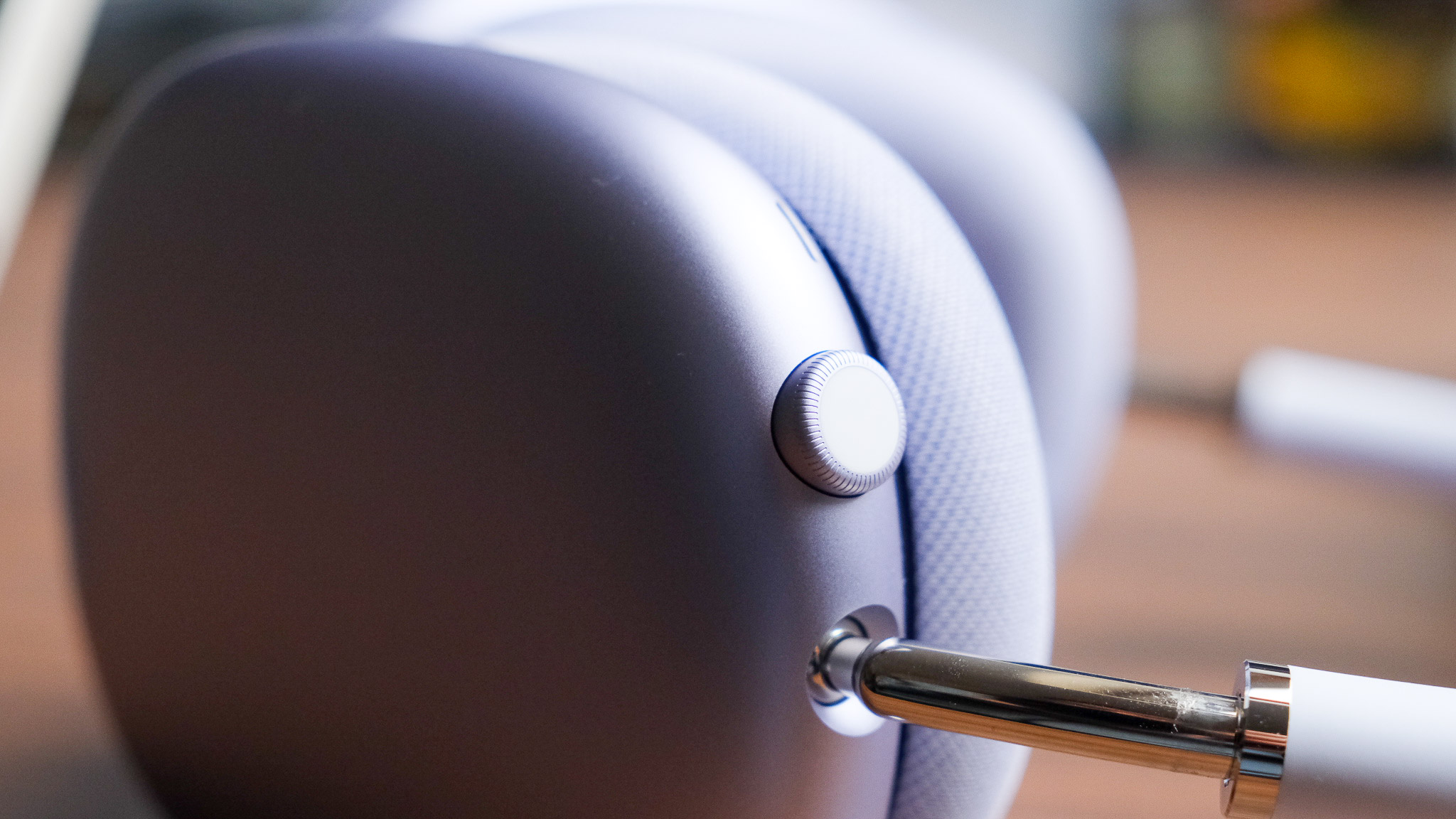
My gripe isn't the battery life itself, but that you can’t turn the headphones off to conserve it. Again, this is nothing new; the original AirPods Max – and the USB-C version introduced a couple of years ago – all have this. The AirPods Max 2 never fully turn off, which can lead to unnecessary battery drain.
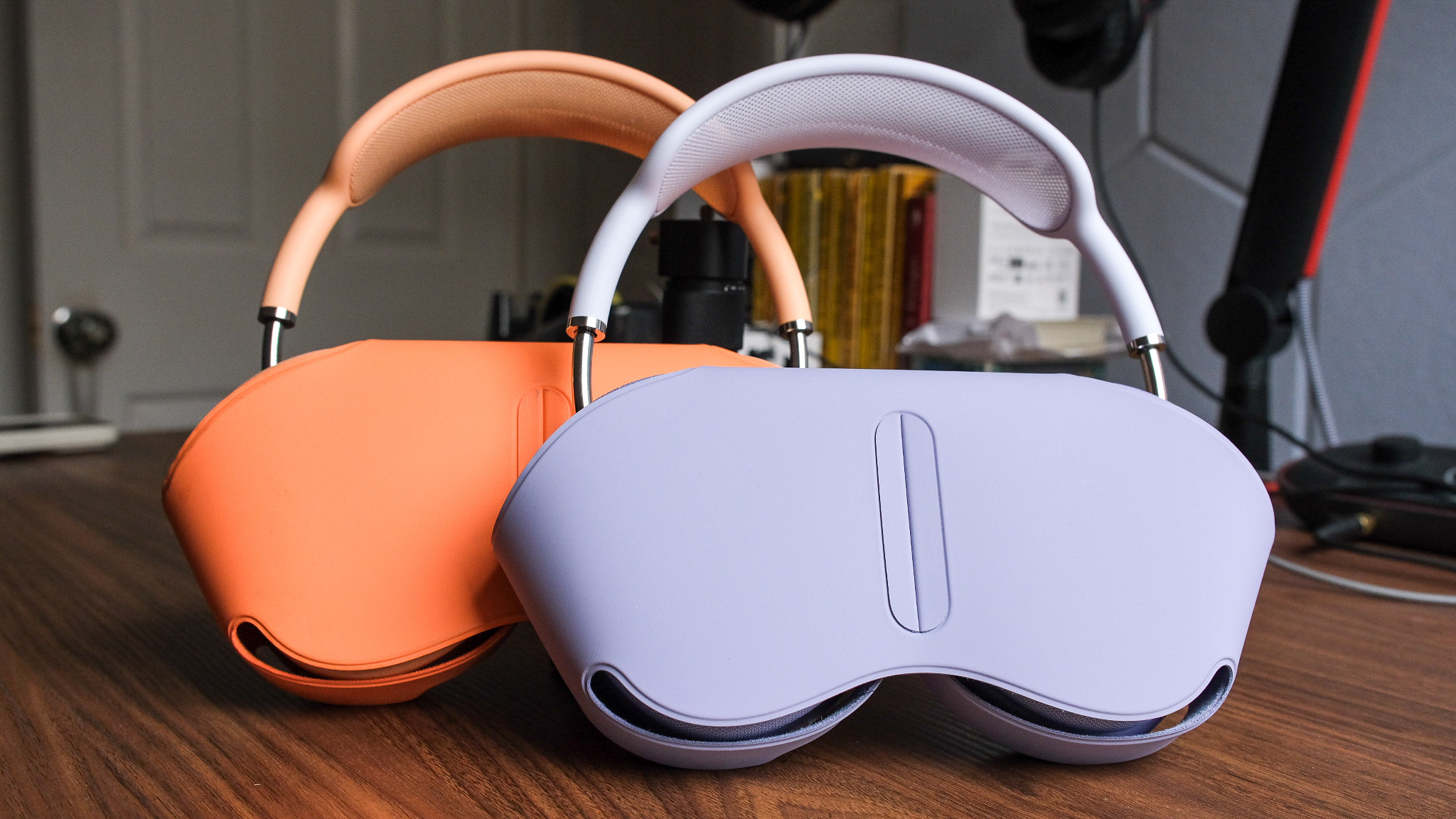
Instead, the headphones offer low-power and ultra-low-power modes. If you set them down, they’ll automatically enter low-power mode after 5 minutes and ultra-low-power mode after 72 hours (3 days!). You can speed this up using the Smart Case, which immediately puts them in low-power mode. It also triggers ultra-low-power mode quicker, in a mere 18 hours.
A case of control
By not letting us turn off the headphones, Apple effectively forces the same user experience on all of us, regardless of our technical expertise. I understand this; the company is famous for not letting people tamper with the intended way of its products.
If you could turn off the AirPods Max 2, it would take longer for them to reconnect to your iPhone, which could create inconsistent experiences. Apple also assumes – rightly so, I may add – that most people won’t understand what’s wrong, and an on/off button might lead to support issues (“my headphones keep disconnecting!”).
From Apple’s perspective, the system works “well enough”: it keeps battery behaviour predictable and avoids user error. Makes sense, right? If it ain’t broke, why fix it? People are happy with their AirPods Max 2s, so let’s continue offering the same experience.
Apple might also have an ulterior motive. The Smart Case is designed to be the intentional trigger: if you could set ultra-low-power to kick in instantly, the case would become less important. Apple clearly wants a physical, reliable action (putting them in the case) instead of a software tweak.
Strangely enough, the brand doesn’t seem to sell Smart Cases on its website. Apple does sell replacement cushions for a premium (another running joke is the price of Apple accessories), so the lack of official Smart Case replacements is puzzling, especially knowing how essential they are for conserving battery life.
A simple fix hiding in plain sight
Even if Apple doesn’t want us to turn off its headphones, it would be great to allow us to manually trigger ultra-low power mode, or at least set the automatic process to activate faster in the settings. It would be an easy win, as we could force ultra-low-power faster when travelling, for example, avoiding battery drain if we forget the case.
The AirPods Max 2 could also take advantage of something the iPhone already does: geolocation. How nice would it be to tailor the headphones’ behaviour to how you actually use them (desk vs commute vs flights)? For a £500+ pair of headphones, that level of control doesn’t feel unreasonable.
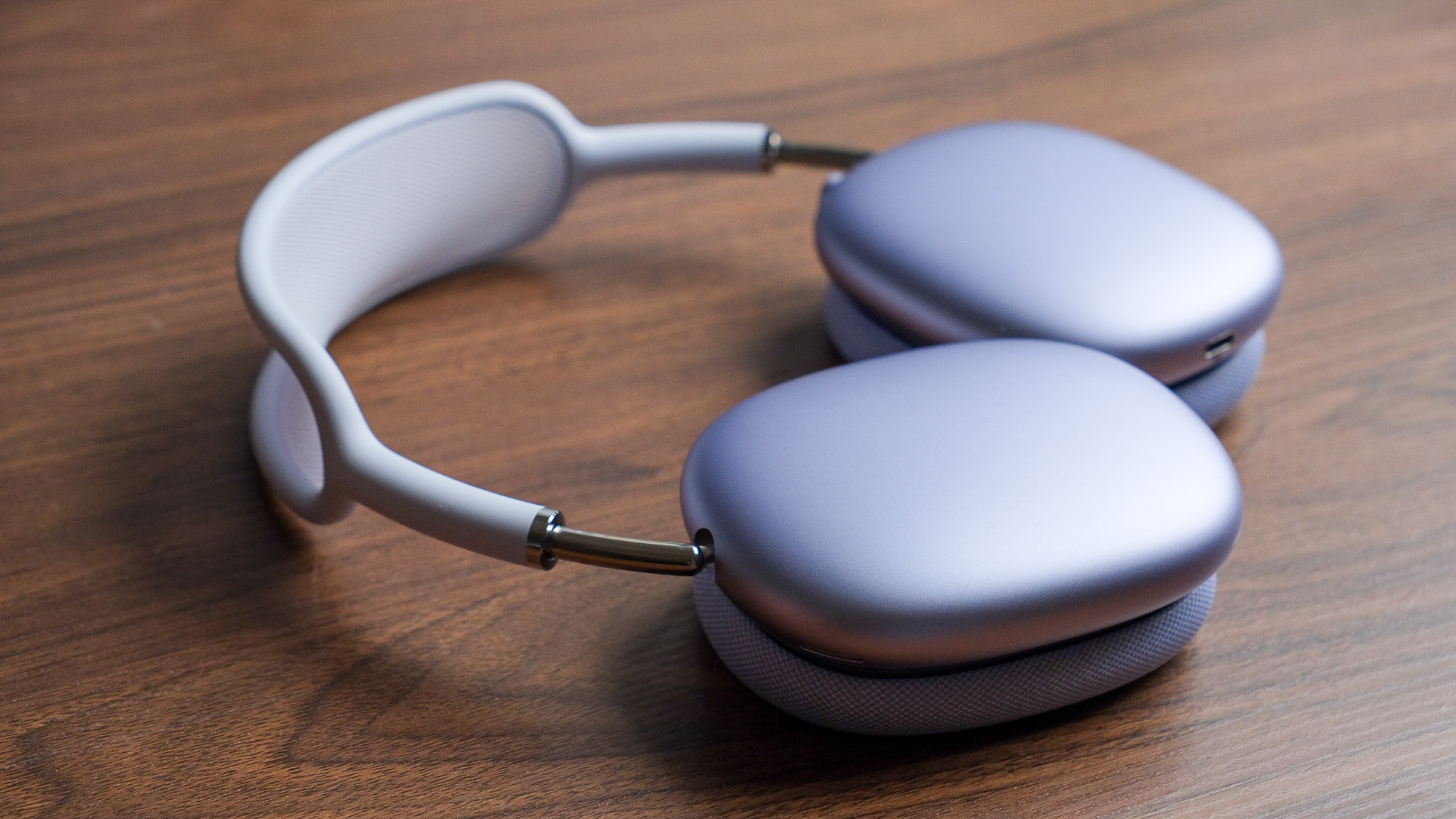
All these could be hidden in the settings to avoid casual users from changing them and ruining their experience. To change anything about the AirPods Max 2, you have to go into the main iPhone settings, which is probably as hidden as it gets for people who aren’t tech savvy. A simple toggle like “Enter ultra-low-power after 5 / 15 / 30 minutes” would go a long way for people like me who prefer more control over battery life.
Best of all, the feature could be introduced with a simple software update. No need for hardware changes; Apple wouldn’t even have to change how the buttons operate on the AirPods Max 2. Quietly, the company can send out an OTA update and sort this out for us. Will it ever do it, though? It’s Apple, so you never know.
It’s not like the brand is unyielding, and maybe with an engineer-turned-executive taking over, we might see more updates introduced to key product categories. We’ll just have to wait and see, I guess.