
Get all your news in one place.
100’s of premium titles.
One app.
Start reading
Saving Advice
Saving Advice
Amanda Blankenship

The $1,000-a-Month Shortcut: The High Price of Using Ozempic for Vanity Pounds

Image Source: Shutterstock

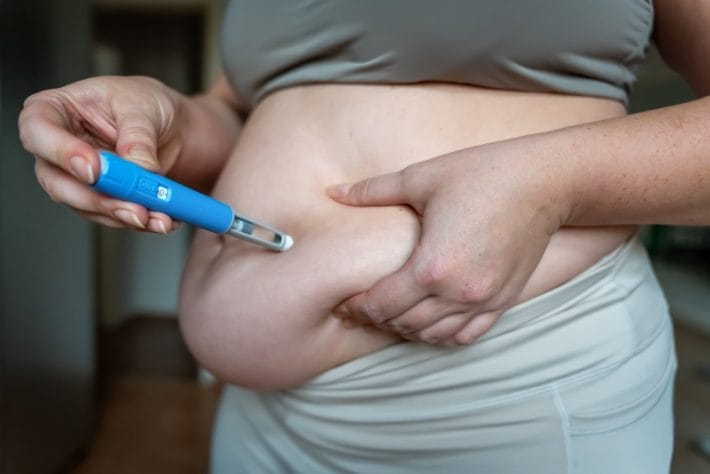
A medication designed to treat type 2 diabetes has suddenly become one of the most talked-about weight-loss tools in the world. Celebrities, influencers, and everyday people are turning to Ozempic for weight loss, hoping to shed pounds quickly without traditional dieting. The results can be dramatic, but the financial cost is often shocking. In many cases, patients using Ozempic without insurance pay close to $1,000 per month out of pocket. That raises an important question: Is this weight-loss shortcut really worth the long-term price?
The True Cost of Ozempic for Weight Loss

The biggest surprise for many people is the price tag attached to Ozempic for weight loss. Without insurance coverage, the medication can cost roughly $950 to $1,050 per month depending on dosage and pharmacy. That means someone taking it for a year could easily spend $10,000 or more on prescriptions alone.

Even newer discount programs still leave many patients paying hundreds of dollars per month out of pocket. For people using it purely to lose a few cosmetic pounds, that price can quickly become financially overwhelming.

Insurance Often Won’t Cover “Vanity” Weight Loss

Another major hurdle is that insurance companies frequently refuse to cover Ozempic for weight loss. The medication is officially approved to treat type 2 diabetes, while a related drug called Wegovy is approved for obesity treatment.

Because of that distinction, insurers often deny coverage when Ozempic is prescribed strictly for weight reduction. Patients who want the drug anyway must typically pay the full price themselves. This creates a situation where the financial burden falls entirely on individuals chasing fast results.

The Popularity Surge Driven by Social Media

The explosion in demand for Ozempic for weight loss didn’t happen by accident. Social media platforms have been filled with stories about dramatic transformations linked to the medication. Celebrities and influencers discussing rapid weight loss have fueled curiosity among millions of viewers.

As a result, doctors across the United States report an increase in patients requesting prescriptions specifically for slimming down. The cultural buzz around Ozempic has helped turn a medical treatment into a viral wellness trend.

The Financial Trade-Off Many People Ignore

Spending large sums on Ozempic for weight loss can create hidden financial consequences. A person paying $1,000 per month might spend as much as a small car payment every year just on the medication. That money could otherwise go toward savings, debt repayment, or long-term health investments like nutrition coaching or fitness programs.

For households already living paycheck to paycheck, the cost can quietly destabilize a monthly budget. What begins as a weight-loss experiment can quickly become a long-term financial commitment.

What Happens When You Stop Taking It

Another overlooked issue with Ozempic for weight loss is what happens after the medication stops. Many people regain a portion of the weight they lost once the drug is discontinued. That can create a cycle where patients feel pressured to keep paying for the prescription indefinitely.

When the medication costs hundreds or thousands of dollars each month, maintaining the results becomes expensive. In some cases, people discover they’ve committed to a costly treatment just to maintain their new weight.

The Real Cost of the Quick-Fix Weight-Loss Culture

The rise of Ozempic for weight loss highlights a broader trend in modern health culture: the desire for fast results. While the medication can be life-changing for people with diabetes or severe obesity, its off-label use for cosmetic weight loss raises tough questions. Paying hundreds or even thousands of dollars per month for a prescription may not be sustainable for many households.

Long-term health improvements often still depend on lifestyle changes such as diet, exercise, and stress management. In the end, the most expensive part of a shortcut is sometimes the price you keep paying after the quick fix fades.

Would you spend $1,000 a month on a medication for weight loss, or do you think the risks and costs outweigh the benefits? Share your thoughts in the comments.

What to Read Next

The New “TrumpRx” Portal: How to Access GLP-1 Weight Loss Drugs for $50

7 Prescription Drugs That Often See Price Changes Each Spring — What to Watch For

New Study: Popular Weight-Loss Drugs Linked to 30% Spike in ‘Silent’ Health Risk

Medicare Will Now Cover Wegovy for Heart Disease Patients — Here’s What the New Policy Actually Means

Pennsylvania Seniors: 7 State Programs That Help Pay for Heat, Groceries, and Prescriptions

Sign up to read this article
Read news from 100’s of titles, curated specifically for you.
Already a member? Sign in here
Related Stories
Top stories on inkl right now
One subscription that gives you access to news from hundreds of sites
Already a member? Sign in here
Our Picks
Fourteen days free
Download the app
One app. One membership.
100+ trusted global sources.