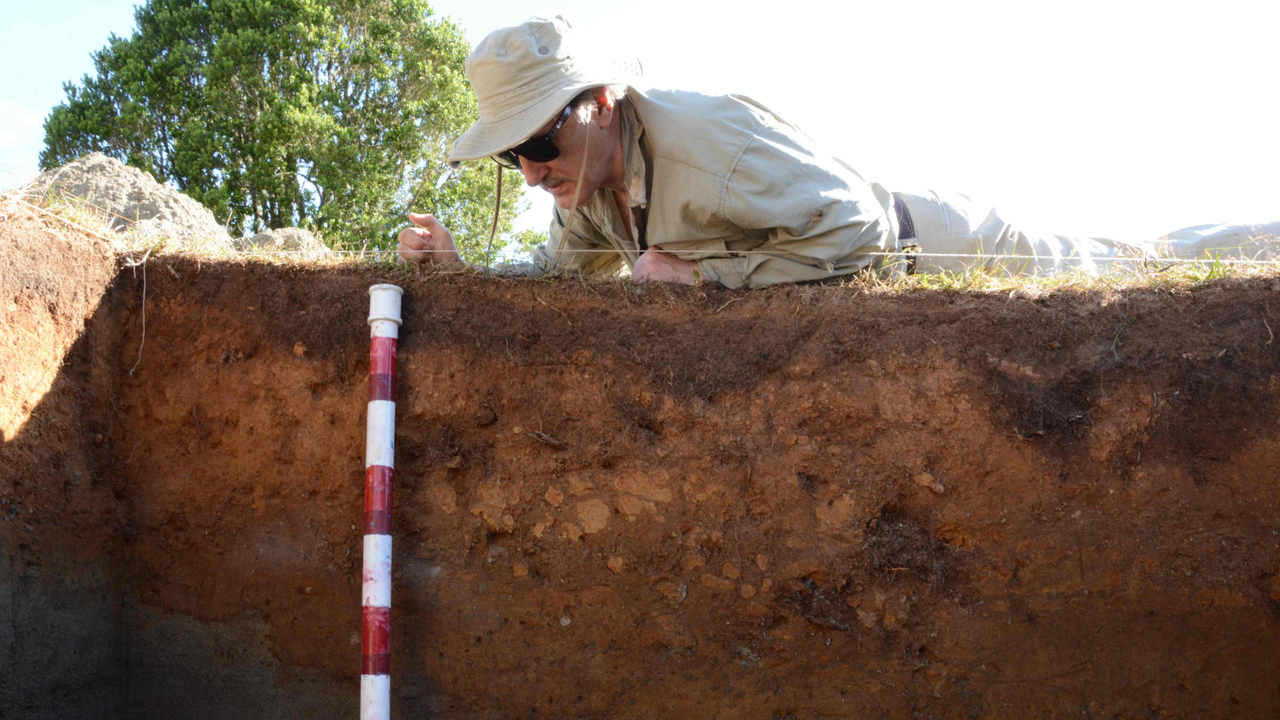
A controversial study published in the journal Science in March claimed that Monte Verde, a 14,500-year-old Paleo-Indian archaeological site in Chile that is one of the oldest human occupations in the Americas, was actually only 8,200 years old. But in a collection of three scientific letters published last week, 30 experts have critiqued the study's "substantive errors and misrepresentations" and asserted that the study's claims are "categorically false and found to be unsupported."
Monte Verde, located in the mountains of southern Chile, was discovered in 1976. Tom Dillehay, an archaeologist at Vanderbilt University who has led the excavations at the site for nearly 50 years, recovered stone tools, preserved wood, bones and skin of extinct animals, a human footprint, edible-plant remains, hearths and natural rope. The occupation of the site, sometimes called Monte Verde II or MV-II, was carbon-dated to 14,500 years ago, making it the only securely dated Late Pleistocene archaeological site in South America.