Get all your news in one place.
100's of premium titles.
One app.
Start reading
Tom’s Guide
Tom’s Guide
Technology
Frances Daniels

Skip the spaghetti! 3 foods that cause night sweats in summer — and 2 that fix it

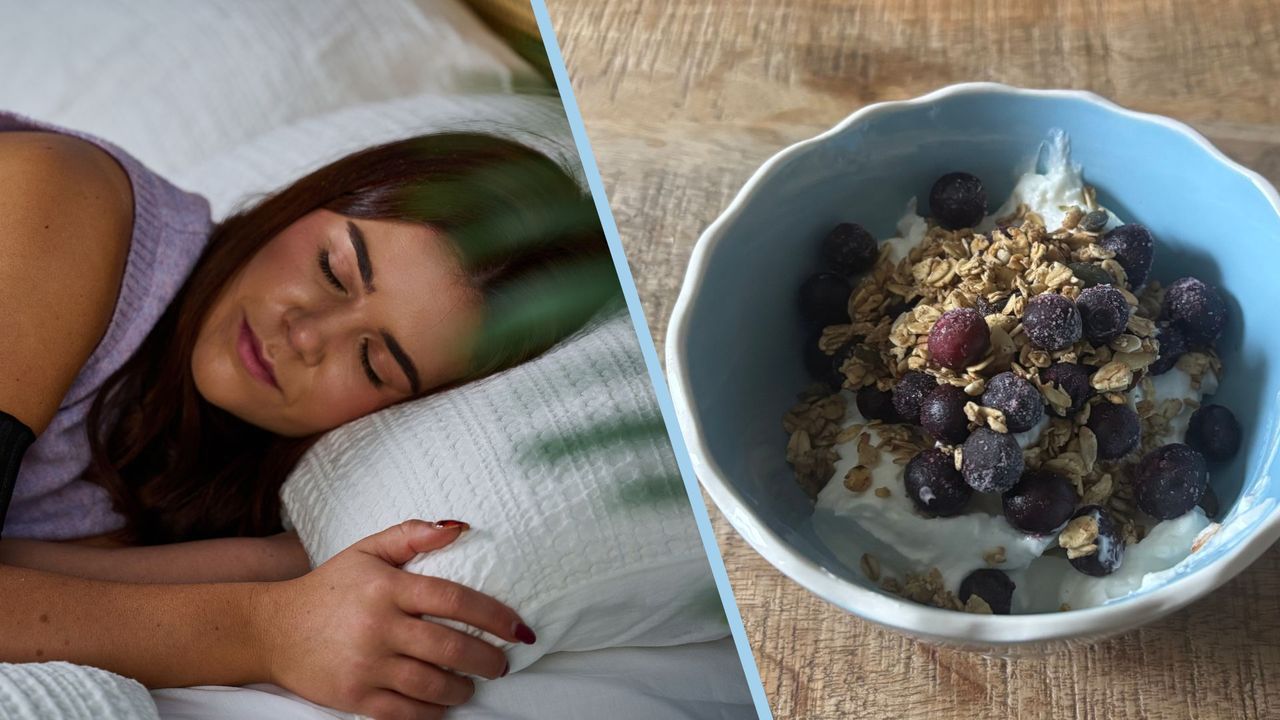
A split screen of an image of a sleeping woman and a bowl of yogurt and berries.

While there are plenty of cooling sleep products that promise to help you fall asleep during heatwaves, the key to a cooler night's sleep could actually be on your plate. Certain foods are excellent at managing body heat — but others can trigger night sweats and overheating.

However, it can be hard to know which bedtime snacks can offer a hydration boost and which ones can lead to a stuffy, sleepless night. Even the size and timing of your evening meal can make or break your sleep.

That's why I've called on Helen Tieu, registered dietician and founder of Diet Redefined, to share the best and worst foods to sleep through heatwaves. Read on to find out which light snacks can keep you refreshed all night, plus what time you should stop eating to avoid sleeping hot.

Key takeaways: At a glance

  • Manage temperature by opting for water-rich foods and light, hydrating snacks such as yogurt, fruit, and protein smoothies.
  • Steer clear of heavy, fried or high-fat foods close to bedtime, as they force your metabolism to work harder and generate intense internal body heat during a heatwave.
  • Hydrate throughout the day and stop eating two to three hours before bed to prevent heavy digestion from raising your core body temperature.

The 2 best foods for sleeping well during heatwaves

1. Food rich in fiber and protein

(Image credit: Future)

The first bedtime snack that Tieu recommends is one that can top up fluid levels while ensuring your glucose levels remain consistent through the night, with studies showing a link between stable nocturnal glucose and better sleep quality.

"I would focus on lighter, cooler, hydrating snack that still include protein and fibre to help keep blood sugar stable throughout the night," the dietician recommends.

She highlights the following snacks as good options for keeping cool throughout the night:

  • Greek yogurt with berries
  • Protein fruit smoothie
  • Fruit with cottage cheese
  • Fruit with hard boiled eggs
  • Salad with protein

For example, yogurt is an excellent choice as it's been shown to contain electrolytes, which assist hydration by managing fluid balance, and plenty of protein.

2. Water-rich foods

(Image credit: Shutterstock)

Water-rich foods, such as watermelons and celery, consist of 70% to 96% water, and Tieu says these hydration boosters can help your body manage its temperature overnight.

"Water-rich foods can help, including cucumbers, oranges, berries, tomatoes, zucchini, leafy greens, and soups served chilled," the diet expert advises.

The 3 worst foods for sleeping during heatwaves

1. Spicy and hot foods

(Image credit: Shutterstock)

If you're someone who likes there to be a real kick to your meals, you may want to think twice before reaching for the ultra-hot spices.

"Very spicy foods can trigger sweating or acid reflux for some people when consumed close to bedtime," warns Tieu.

The temperature of your food can also raise the temperature of your body, so make sure your meal has cooled down a little before you take a bite.

"Meals served in hot temperatures can make it harder to sleep as digestion itself produces heat, especially if the room is already warm," Tieu tells me.

2. Fried and fatty food

(Image credit: Tom's Guide)

A lot of research has emphasized how fried, fatty food can contribute to poor sleep quality, but did you know that they can also cause hot sleeping and night sweats?

And it's all to do with a phenomenon that research calls thermogenesis, the metabolic heat generated as your body works to digest and process heavy fat.

"High-fat meals and fried foods can contribute to feeling overheated or less comfortable in bed," Tieu warns.

3. Heavy meals

(Image credit: Shutterstock)

Tieu warns that eating a large or heavy carbohydrate meal like spaghetti can lead to blood sugar spikes, which in turn cause night sweats.

"Not to mention heavy meals can lead to acid reflux, indigestion, or discomfort from going to bed on a full stomach," she tells me.

A dietician's top 3 rules for sleeping during a heatwave

1. Reduce fluid intake 3 hours before bed

(Image credit: Future / Millie Fender)

Tieu points out the importance of drinking water throughout the day during hot weather, as it keeps you cool and hydrated. However, most of your fluid intake should be reserved for the daytime.

"It is ideal to hydrate more earlier in the day rather than drinking lots of water at night time or right before bed," the health expert advises.

While Tieu says you don't need to stop drinking in the evening completely, but it's best to avoid "chugging large amounts of fluid right before sleeping".

"I’d recommend reducing fluid intake 2 hours before bed if nighttime bathroom trips are an issue," she says.

2. Finish your dinner before 2-3 hours before bed

(Image credit: Getty Images)

As mentioned above, digestion itself can raise body temperature, so Tieu advises following the 10-3-2-1-0 sleep rule and finishing your last meal of the day two to three hours before bedtime.

"This gives enough time for the body to digest before lying down, which can help to prevent reflux, discomfort, and feeling warm in bed," she explains.

However, while you should leave a few hours between dinner and bed, Tieu assures that it's fine to have a light bedtime snack.

"Just keep it simple with balanced whole foods, such as yogurt with berries, whole grain toast with peanut butter, cottage cheese with fruit, a protein shake, veggies and dip, or a small protein smoothie," she says.

3. Avoid alcohol

(Image credit: Shutterstock)

Alcohol can reduce REM sleep, but it can also exacerbate sleep issues during heatwaves, with studies finding that alcohol triggers sweating by widening blood vessels and increasing blood flow to the skin, which tricks your brain into feeling warm.

"It may initially lead to feeling more sleepy, but it can worsen sleep quality, worsen hydration and lead to worse temperature regulation overnight," warns Tieu.

More from Tom's Guide

Sign up to read this article
Read news from 100's of titles, curated specifically for you.
Already a member? Sign in here
Related Stories
Top stories on inkl right now
One subscription that gives you access to news from hundreds of sites
Already a member? Sign in here
Our Picks
Fourteen days free
Download the app
One app. One membership.
100+ trusted global sources.