What Sindoor Is Made Of and Why It Stains the Way It Does
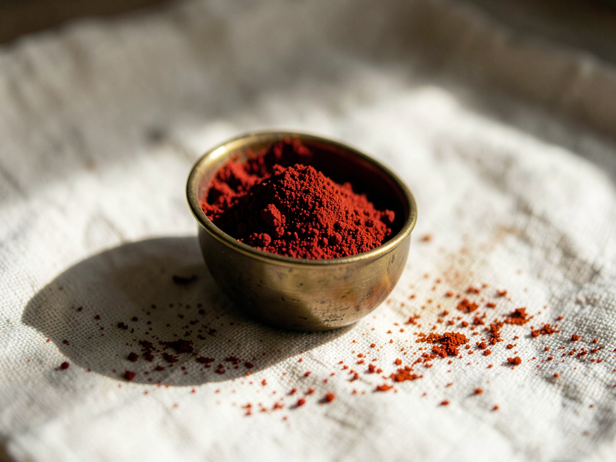
Traditional sindoor is lead-based vermilion, mercuric sulphide or red lead, and it bonds to protein. Skin is protein. Silk is protein. That is why the same pigment that wipes off a ceramic plate in seconds can sit in the weave of a Benarasi for weeks. Commercial sindoor sold today is more often synthetic, iron oxide or dye-based pigment mixed with turmeric and wax, and its behaviour on fabric depends on which of those components dominates. An oil-wax binder means the stain responds to a degreaser. A water-soluble dye means cold water first, always, because heat sets it. A mineral pigment means patience and mechanical action. The problem with Sindoor Khela is that you rarely know which formulation landed on your blouse until you are already trying to get it out.