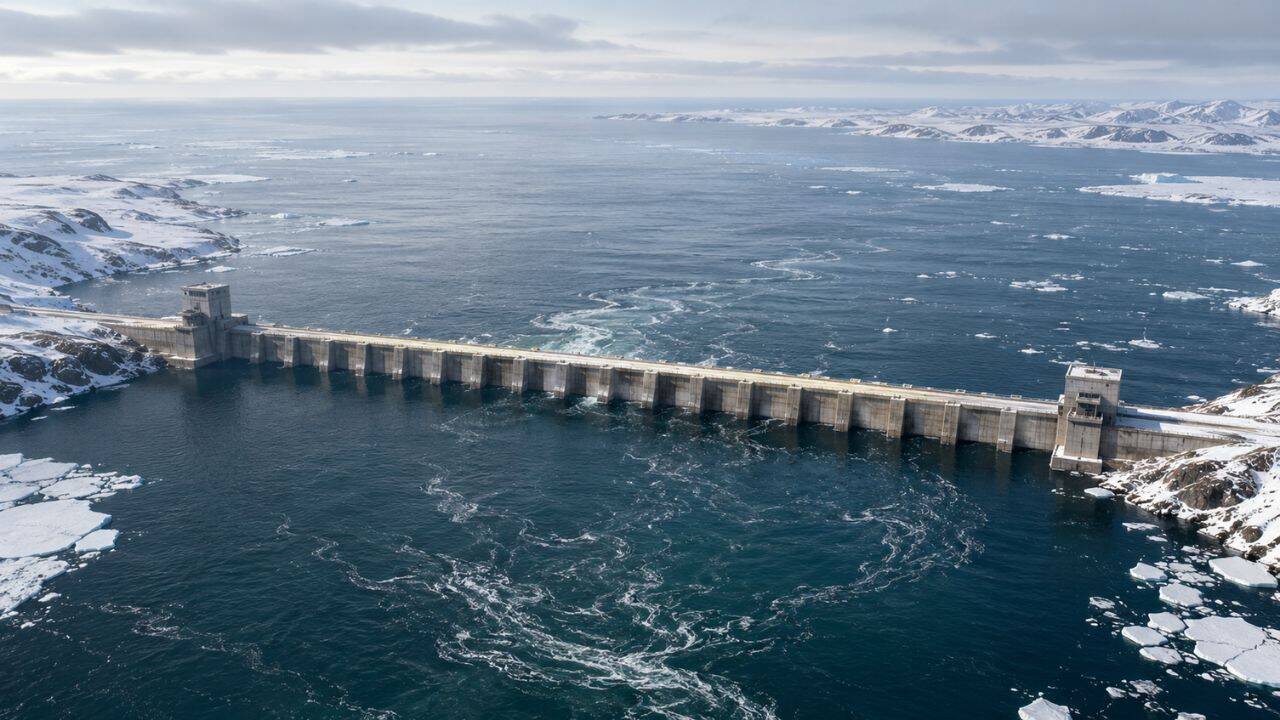
Ideas for reshaping the planet have appeared long before the term geoengineering entered public discussion. During the Cold War, some engineers believed that large-scale construction projects could permanently alter climate, rivers and even entire regions. Among the boldest was a proposal to block the Bering Strait, the narrow stretch of water between Siberia and Alaska, and use enormous pumps to redirect ocean currents. The aim was straightforward, reduce Arctic sea ice, make northern Siberia significantly warmer and transform frozen land into a more productive landscape. Decades later, the same stretch of water has returned to scientific debate, although for a very different reason. Rather than warming Siberia, researchers are examining whether changes at the Bering Strait could influence a vulnerable part of Earth's climate system. The renewed interest is driven by concerns over accelerating climate change and the stability of major ocean circulation patterns, prompting scientists to reassess whether interventions in this strategically important gateway could ever offer meaningful environmental benefits or pose unacceptable global risks.
Get breaking news anytime, anywhere. Download the TOI app now!