
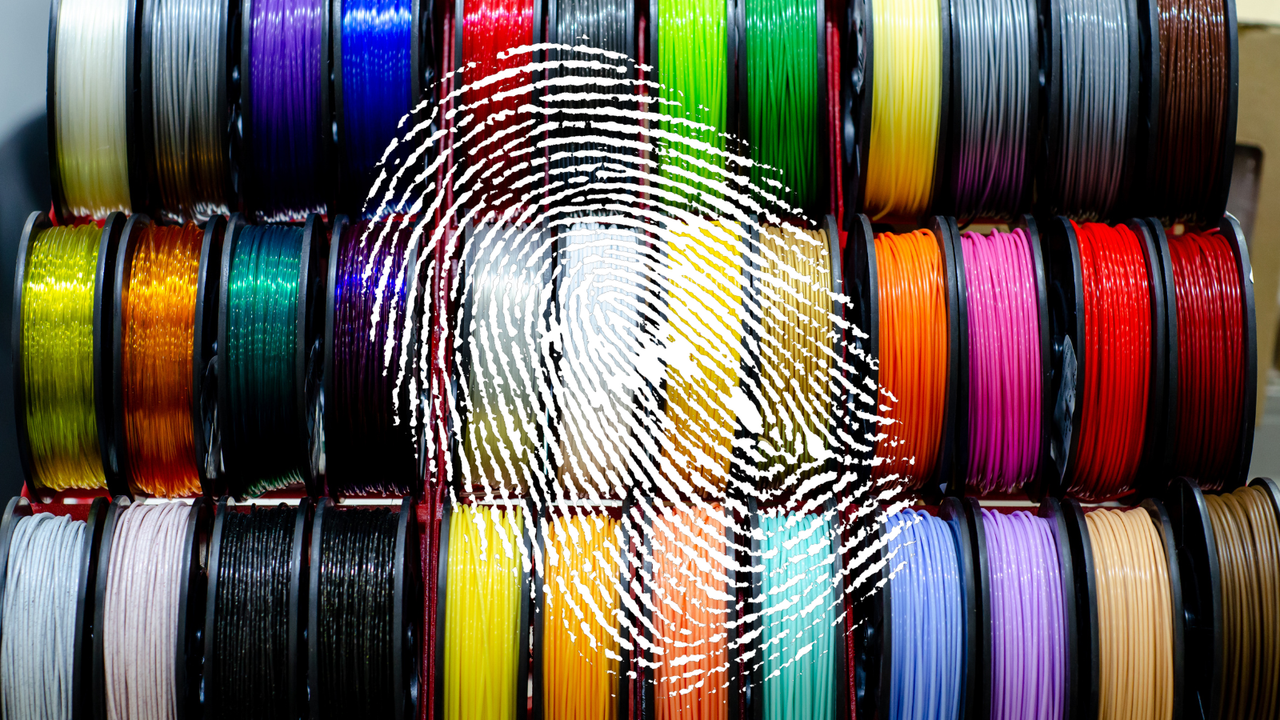
A new study from researchers at Curtin University in Australia is exploring the possibility that 3D-printed “ghost guns” could be traced through chemical analysis. Collaborating with ChemCentre, a statutory forensic laboratory in Western Australia, the scientists are attempting to find a way for law enforcement to link illegal 3D printed parts to the criminals who produced them.
However, using forensics to trace the chemical properties of PLA or ABS could be worthless information. An astounding amount of filament is produced by only a handful of incredibly large Chinese factories, which then “white-label” their products for others to sell as their own. Brands hate to admit it, but a lot of popular plastic flows through factories owned by eSun, Sunlu, and Polymaker. American companies like ProtoPasta and Printed Solid look like boutique manufacturers when compared to the two million spools a month that Sunlu can produce.







