Get all your news in one place.
100's of premium titles.
One app.
Start reading
The Economic Times
The Economic Times
Gandharv Walia

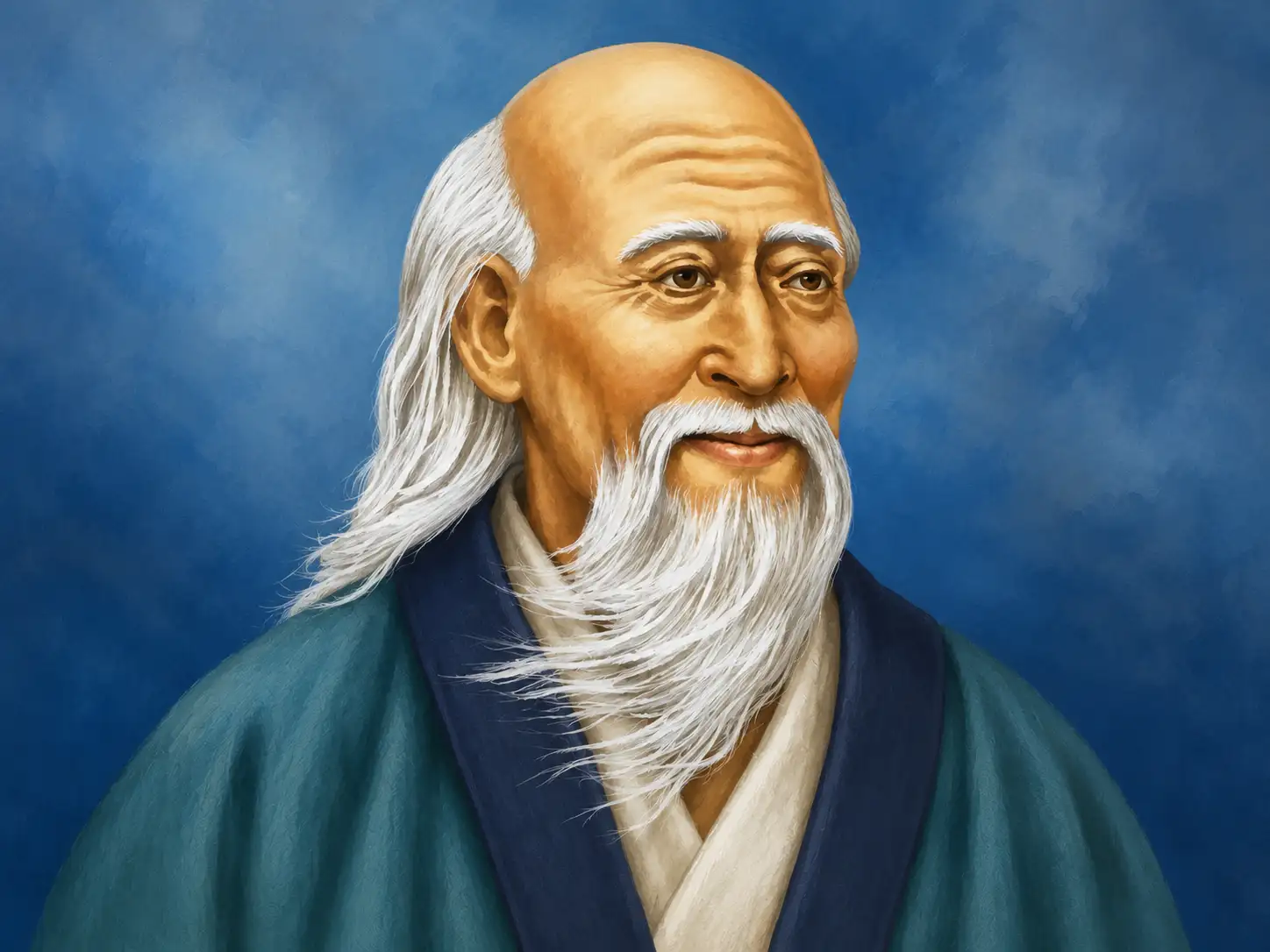
Quote of the day by Lao Tzu: 'Kindness in words creates confidence. Kindness in thinking...' Life lessons on happiness, inner peace and human nature by first philosopher of Chinese Daoism

Quote of the Day by Lao Tzu continues to inspire people across generations because of its simple message about kindness and human relationships. The quote, "Kindness in words creates confidence. Kindness in thinking creates profoundness. Kindness in giving creates love," highlights how everyday actions can influence both individuals and society. Lao Tzu, the philosopher associated with Daoism, believed that inner peace and harmony begin with the way people think, speak, and act. His words remain relevant in modern life, where communication, understanding, and compassion play an important role in building trust, strengthening relationships, and creating a more balanced and meaningful life.

Quote of the Day by Lao Tzu: Understanding the Meaning Behind a Timeless Message

The quote by Lao Tzu states:

"Kindness in words creates confidence. Kindness in thinking creates profoundness. Kindness in giving creates love."

This statement focuses on the role of kindness in different aspects of life. It explains how communication, thoughts, and actions affect both individuals and society. The quote presents a simple idea but carries a deeper message about human nature, relationships, happiness, and inner peace.

Lao Tzu, also known as Laozi, is regarded as the first philosopher of Chinese Daoism. He is traditionally associated with the Daodejing, one of the most important texts of Daoist philosophy. Although historians continue to debate details of his life, his teachings have influenced generations across different cultures and traditions. The quote remains relevant because it addresses issues people face every day. It speaks about trust, understanding, compassion, and connection among people.

What Does the Quote Mean?

The first part of the quote of the day says, "Kindness in words creates confidence." Words have a strong impact on people. Encouraging language can help others feel valued and respected. A person who receives supportive words often develops confidence in their abilities and decisions. On the other hand, harsh language can damage trust and create fear or doubt.

The second part states, "Kindness in thinking creates profoundness." This line emphasizes the importance of mental attitudes. Kind thoughts encourage understanding rather than judgment. When people think with patience and empathy, they gain a broader perspective of life and human behavior. Such thinking often leads to wisdom and deeper insight.

The final part says, "Kindness in giving creates love." Giving does not always refer to money or material things. It can include time, attention, support, guidance, and care. Acts of giving strengthen bonds between people and help create feelings of trust and affection. According to Lao Tzu's teaching, generosity becomes a foundation for love.

READ ALSO: Quote of the day by Johnny Depp: “Love cures. Both the ones who...” Life lessons on marriage, happiness and relationships by popular American actor

Why the Quote Remains Relevant Today?

Modern life often involves stress, competition, and constant communication through digital platforms. In such an environment, kindness can sometimes be overlooked. The quote serves as a reminder that simple actions can influence people's lives. Respectful conversations can build confidence. Thoughtful understanding can improve decision-making. Generous actions can strengthen relationships.

Many social and personal conflicts arise from misunderstandings, negative assumptions, or a lack of empathy. Lao Tzu's words suggest an alternative approach based on kindness and understanding. These lessons can be applied in families, workplaces, schools, communities, and personal relationships.

Life Lessons From the Quote by Laozi

Words Shape Confidence

People often remember what others say to them. Positive communication can motivate individuals to pursue goals and overcome challenges. Parents, teachers, leaders, and friends can influence confidence through supportive words. Encouragement often helps people recognize their potential.

Thoughts Influence Character

Kind thinking encourages patience and understanding. It reduces unnecessary conflict and promotes balanced judgment. When people try to understand situations from different perspectives, they often make better decisions and build stronger relationships.

Giving Strengthens Human Connections

Giving creates a sense of connection. It demonstrates care and concern for others. Acts of generosity can include helping a colleague, supporting a family member, sharing knowledge, or offering emotional support. Such actions contribute to stronger communities and healthier relationships.

Kindness Supports Inner Peace

People who practice kindness often experience fewer conflicts and greater emotional balance. Kindness encourages cooperation rather than confrontation. It can help create a sense of calm and purpose in daily life.

Love Grows Through Action

The quote suggests that love is not merely a feeling. It is strengthened through actions that demonstrate care and generosity. Small acts performed consistently can have a lasting impact on relationships.

READ ALSO: Quote of the day by Benjamin Franklin: 'Marry above thy match and you will...' Life lessons on relationships, wealth, happiness, inner peace and love by legendary American printer, publisher, author, inventor, scientist and diplomat

Who Was Lao Tzu?

Lao Tzu, or Laozi, flourished during the 6th century BCE in China and is recognized as the first philosopher of Daoism. According to historical accounts recorded by Chinese historian Sima Qian, Laozi was born in Quren village in the state of Chu, an area corresponding to modern Henan Province.

His family name was Li, while his personal name was Er. Historical records indicate that he served as a scholar and keeper of important texts at the royal court of the Zhou dynasty. One famous story describes a meeting between Laozi and Confucius. According to legend, Laozi criticized Confucius for pride and ambition. Confucius was reportedly so impressed that he compared Laozi to a dragon rising into the sky.

The Story of the Daodejing

Another well-known legend concerns Laozi's departure from China. As the Zhou dynasty declined, Laozi is said to have traveled westward. Upon reaching Xiangu Pass, a gatekeeper named Yinxi requested that he record his teachings before leaving.

According to tradition, Laozi then wrote the Daodejing, a text of approximately 5,000 characters divided into two sections. The work explains ideas concerning the Dao, meaning "Way," and De, often translated as virtue. After completing the text, Laozi reportedly continued his journey, and historical records provide no further details about his fate.

READ ALSO: Quote of the day by Aesop: 'Always stop to think whether your fun may be...' Life lessons on human nature, happiness, kindness and inner peace by supposed author of a collection of Greek fables

Historical Debate About Laozi

Despite his importance, historians continue to debate whether Laozi was a single historical figure. Many scholars believe that the Daodejing was developed over time by multiple authors rather than one individual. Some passages may date to the period of Confucius, while others appear to have been written later.

Because of these uncertainties, some researchers view Laozi as a symbolic representation of wisdom rather than a clearly documented historical individual. Regardless of the debate, his teachings have remained influential for more than two thousand years.

Lao Tzu's Influence on Religion and Philosophy

Over time, Laozi became more than a philosopher. In Daoist traditions, he was honored as a sacred figure and sometimes worshipped as a divine being known as Lao Jun. Various legends described miraculous events surrounding his birth and life.

His teachings also influenced the development of Buddhism in China. Although different traditions interpreted his role in different ways, Laozi became one of the most respected figures in Chinese intellectual and spiritual history. Confucians respected him as a philosopher. Daoists viewed him as an expression of the Dao. Many ordinary people regarded him as a sage whose teachings offered guidance for everyday life.

Sign up to read this article
Read news from 100's of titles, curated specifically for you.
Already a member? Sign in here
Related Stories
Top stories on inkl right now
One subscription that gives you access to news from hundreds of sites
Already a member? Sign in here
Our Picks
Fourteen days free
Download the app
One app. One membership.
100+ trusted global sources.