There is something strangely predictable about human desire: tell someone they cannot have something, and suddenly it becomes the thing they want most. A perfectly good choice can seem dull when a forbidden one is placed just beyond reach. The more mysterious the temptation, the harder it can become to resist.
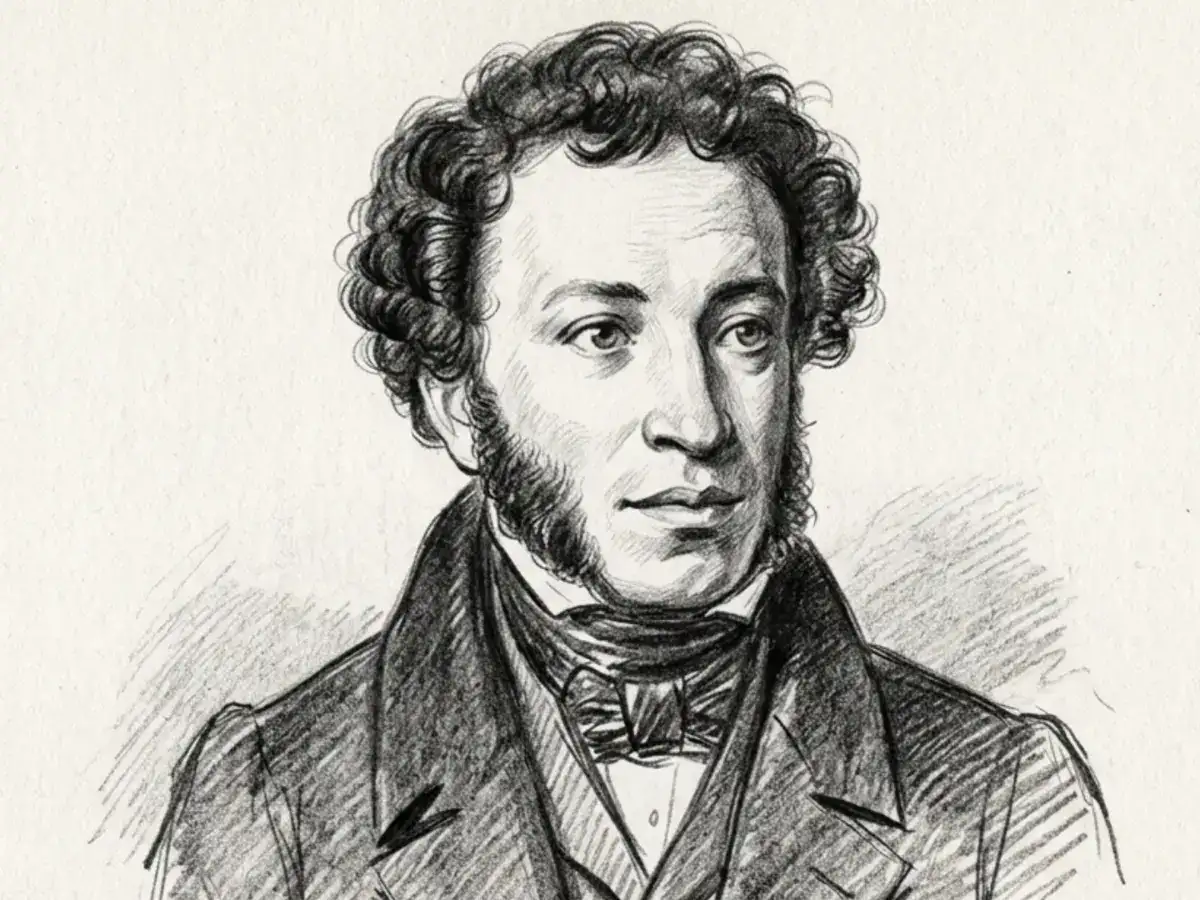
Russian poet and novelist Alexander Pushkin captured that contradiction in Eugene Onegin , his landmark novel in verse. Reflecting on the restless nature of human beings, Pushkin invokes the biblical story of Eve and the serpent to suggest that people are often dissatisfied with what is freely available. Paradise, he suggests, can lose its appeal when nothing is forbidden.