Get all your news in one place.
100's of premium titles.
One app.
Start reading
The Conversation
The Conversation
Trevor Robbins, Professor of Neuroscience, University of Cambridge

People with obsessive-compulsive disorder have an imbalance of brain chemicals – our discovery could mean a treatment breakthrough

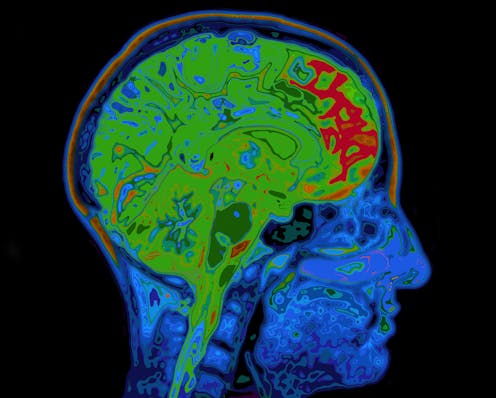
MRI brain scan. SpeedKingz/Shutterstock

People often jokingly say they’ve “got a bit of OCD” (obsessive-compulsive disorder) if they are overly organised or tidy. But OCD is actually a severe and disabling disorder characterised by obsessions – recurrent intrusive thoughts, impulses or images that are unwanted and anxiety provoking. This is often coupled with compulsions, which are ritualistic mental or physical actions.

Some people with OCD are engaged in rituals for much of their waking life and cannot even leave their homes. As the condition is difficult to treat, life with OCD can be extremely difficult.

Sign up to read this article
Read news from 100's of titles, curated specifically for you.
Already a member? Sign in here
Related Stories
Top stories on inkl right now
One subscription that gives you access to news from hundreds of sites
Already a member? Sign in here
Our Picks
Fourteen days free
Download the app
One app. One membership.
100+ trusted global sources.