People taking semaglutide for type 2 diabetes were no more likely to develop pancreatic cancer than people using other diabetes drugs, according to a large Nordic registry study presented this week at the annual meeting of the European Association for the Study of Diabetes in Milan. The findings address one of the most persistent fears among Ozempic users. The reassurance comes with a clear limit, however: average follow-up lasted less than two years after a one-year waiting period.
That timeline matters because pancreatic cancer can take years to develop. The study was also funded by Novo Nordisk, the company that makes Ozempic and Wegovy, and it has not yet been submitted to a medical journal. For U.S. patients, the result is encouraging news, not a final answer.

The research does not change a separate, well-established warning. Acute pancreatitis, a painful inflammation of the pancreas, has been reported with GLP-1 drugs, and its warning signs still need prompt attention regardless of what the cancer data show.
Inside the Nordic Registry Numbers
Researchers used nationwide health registries from Denmark, Sweden, and Norway to follow 97,464 adults with type 2 diabetes who started semaglutide. Each was matched to a similar patient who started a sulfonylurea, an SGLT-2 inhibitor, or insulin. Median ages ranged from 59 to 62, and patients had to fill at least two prescriptions in their first year.
There were 131 pancreatic cancer cases among semaglutide users and 123 in the comparison group, across about 167,000 and 140,000 person-years of follow-up, respectively. The pooled hazard ratio was 0.91, with a 95% confidence interval of 0.71 to 1.16. Because that range crosses 1.0, the study found no statistically meaningful difference in either direction. In absolute terms, the gap was about 0.1 fewer cases per 1,000 person-years among semaglutide users, a difference too small and uncertain to call a benefit or a harm.
Results in each country pointed the same way. Denmark, Sweden, and Norway each produced results close to no difference, which adds weight to the pooled finding.
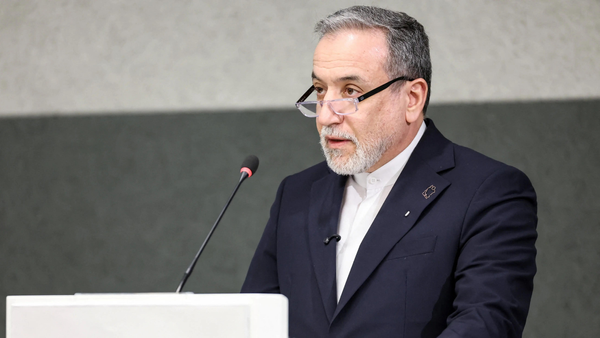
Researchers also found no sign that higher cumulative doses or longer use raised risk. Professor Anton Pottegård of the University of Southern Denmark, who presented the work, said the findings "further strengthen the evidence that semaglutide does not increase the risk of pancreatic cancer."
This was an observational cohort study, not a randomized trial. It can show whether two groups had similar cancer rates, but it cannot prove that semaglutide has no effect at all. The study's design is listed in the European regulators' study catalogue, and it is registered on ClinicalTrials.gov.
Limits That Keep the Reassurance Modest
The biggest limitation is time. Follow-up began one year after each patient started treatment, a step meant to exclude cancers that were already present. After that lag, patients were followed for an average of 1.4 to 1.85 years, depending on the country.
That window may be too short to capture cancers that develop slowly. Regulators required this post-approval safety study because pancreatic cancer has been treated as a potential risk for the GLP-1 drug class.
The study also included only people using semaglutide for type 2 diabetes, the condition Ozempic is approved to treat. It did not examine people taking Wegovy for weight loss without diabetes, a large and growing group of U.S. patients. Registry studies also tend to miss details that are not recorded in health databases, which can leave some differences between groups unmeasured.
The results have been presented only at a conference. The full data, and how independent researchers judge them, will be clearer after peer-reviewed publication.
Pancreatitis Warning Signs Still Deserve Attention
Cancer and pancreatitis are separate questions. Even with reassuring cancer data, the U.S. prescribing information for Ozempic continues to warn about acute pancreatitis, and patients should know what it looks like.
According to the National Institute of Diabetes and Digestive and Kidney Diseases, the main symptom is pain in the upper abdomen that sometimes spreads to the back. Other symptoms can include fever, nausea and vomiting, a fast heartbeat, and a swollen or tender belly. The agency says people with acute pancreatitis "usually look and feel seriously ill and need to see a doctor right away."
Mild nausea is common when starting or raising a GLP-1 dose. Severe or worsening belly pain, fever or chills, shortness of breath, or yellowing of the skin or eyes is different and calls for urgent care. People with a history of pancreatitis, gallstones, or heavy alcohol use face higher baseline risk and should make sure their prescriber knows.
Next Steps for Current Semaglutide Users
Patients should not stop, pause, or change semaglutide based on this study or any single headline. Stopping abruptly can affect blood sugar control, and dose decisions belong with the prescribing clinician. A routine visit is a good time to ask whether personal or family history changes the balance of risks.
Cost and access also shape these decisions. Switching drugs because of fear can trigger new insurance approvals and out-of-pocket costs, while staying on a working treatment avoids that disruption. Keeping a simple log of new abdominal symptoms can help a doctor sort ordinary side effects from warning signs.
MedicalDaily previously outlined the full EASD 2026 lineup of GLP-1 data. The next milestones for this study are journal publication and longer follow-up that could show whether the reassuring pattern holds over five or more years. For now, the evidence points toward no added pancreatic cancer risk in the short term, while pancreatitis symptoms remain worth taking seriously.
Key Questions Answered
Does Ozempic cause pancreatic cancer? This Nordic study of 97,464 people with type 2 diabetes found no increased pancreatic cancer risk with semaglutide compared with other diabetes drugs. It was observational and followed patients for under two years after a one-year lag, so it cannot fully rule out long-term effects.
Who funded the study? Novo Nordisk, the maker of Ozempic and Wegovy, funded it. Regulators required the study as a post-approval safety study.
Does the study apply to Wegovy users taking it for weight loss? Not directly. It included only people using semaglutide for type 2 diabetes.
What are the warning signs of pancreatitis? Upper belly pain that may spread to the back, nausea and vomiting, fever, a fast heartbeat, and a tender belly. Severe or worsening pain, jaundice, or shortness of breath needs urgent care.
Should I stop taking Ozempic if I am worried? Do not stop or change treatment without talking to your prescriber. Stopping suddenly can affect blood sugar control.
When will more information be available? The results have not yet been submitted to a medical journal. Peer-reviewed publication and longer follow-up are the next steps to watch.
Published by Medicaldaily.com