Get all your news in one place.
100's of premium titles.
One app.
Start reading
International Business Times
World
Merin Rebecca Thomas

Ozempic And Other GLP-1 Drugs May Be Altering The Brain, researchers say

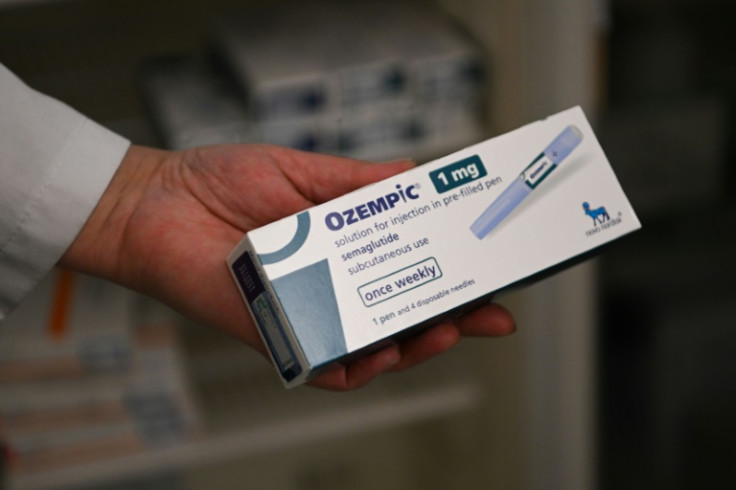
Scientists say the findings add to growing evidence that GLP-1 drugs may influence biological systems extending far beyond appetite and blood sugar regulation. (Credit: AFP)

GLP-1 medications including Ozempic, Wegovy, Mounjaro and Zepbound were initially developed to treat diabetes and obesity. But researchers are now increasingly examining how the drugs may affect the brain, including areas tied to reward, motivation, addiction and emotional processing.

Scientists studying patients taking the medications have reported changes linked to food cravings, alcohol use, compulsive behavior and attention. Some users have also described emotional flattening, reduced motivation and lower sexual desire while using the drugs.

The findings were made by researchers at the University of Colorado Anschutz Medical Campus, who observed unusual changes in brain connectivity while studying adolescents and young women taking GLP-1 medications for a hormonal condition affecting the ovaries, The Washington Post reported.

The research involved brain scans conducted before and after patients began taking the drugs. Allison Shapiro, an assistant professor at the university, said researchers found increased connectivity in the brain's salience network, which helps regulate attention and determine what stimuli stand out.

"We didn't expect to see this effect, and we really don't know what it means," Shapiro told the news outlet.

Scientists say the findings add to growing evidence that GLP-1 drugs may influence biological systems extending far beyond appetite and blood sugar regulation. GLP-1 receptors are found throughout the body, including inside the brain, where they are connected to pathways involving reward, stress and impulse control.

Researchers are still trying to determine whether the drugs directly alter brain activity or whether neurological changes result indirectly from lower inflammation, improved metabolic health and changes in gut-brain communication.

Scientists studying addiction have also turned their attention to GLP-1 medications. Physician-scientist Lorenzo Leggio of the National Institutes of Health has spent years examining whether semaglutide and related drugs could reduce alcohol cravings and addictive behavior.

"It's very exciting times, but we don't fully understand how it works," Leggio said.

A recent randomized clinical trial found semaglutide reduced heavy drinking days among patients with alcohol use disorder receiving cognitive behavioral therapy, the National Institutes of Health said. Researchers are also studying the medications for nicotine dependence, opioid-use disorder and binge eating.

Scientists believe the drugs may dampen dopamine-related reward pathways in the brain that help shape cravings and compulsive behavior. Researchers are additionally examining whether the medications influence the amygdala, a brain region involved in fear, stress and emotional response.

Some patients taking GLP-1 drugs have reported that cravings tied to food, alcohol or other compulsive behaviors became quieter after beginning treatment. At the same time, some users have described feeling emotionally muted or less interested in hobbies and relationships.

Researchers say it remains unclear whether those effects stem directly from the medications, major weight loss, hormonal changes or broader metabolic shifts happening in the body.

Interest in the neurological effects of GLP-1 drugs has also expanded into research involving Alzheimer's disease and Parkinson's disease. Novo Nordisk's large late-stage trial testing semaglutide as an Alzheimer's treatment failed to show significant cognitive improvement in patients, Reuters reported. However, researchers involved in the field said some inflammation-related biomarkers showed modest changes that continue to attract scientific attention.

Scientists are also studying whether the drugs could play a role in addressing lingering neurological symptoms reported after COVID-19 infection, including brain fog, fatigue and cognitive impairment.

Daniel Drucker, a University of Toronto researcher involved in early GLP-1 development, said scientists are investigating anecdotal reports from patients describing changes in mood, anxiety and cognition while taking the medications, according to The Washington Post.

"We have so many anecdotal reports: They were treated for blood sugar and then they felt much happier," Drucker told the newspaper.

Researchers caution that many of the studies remain in early stages and that significant questions remain unanswered, particularly for children and adolescents whose brains are still developing.

"We can't assume what adults do and how they respond is going to be how adolescents respond," Shapiro said.

As studies continue, researchers say the medications are increasingly being examined not only as metabolic treatments, but also as drugs that may influence brain function, behavior and emotional regulation.

Sign up to read this article
Read news from 100's of titles, curated specifically for you.
Already a member? Sign in here
Related Stories
Top stories on inkl right now
One subscription that gives you access to news from hundreds of sites
Already a member? Sign in here
Our Picks
Fourteen days free
Download the app
One app. One membership.
100+ trusted global sources.