
Get all your news in one place.
100's of premium titles.
One app.
Start reading
LiveScience
LiveScience
Kristina Killgrove

Oldest DNA evidence of syphilis relative discovered in 2,000-year-old skeletons in Brazil

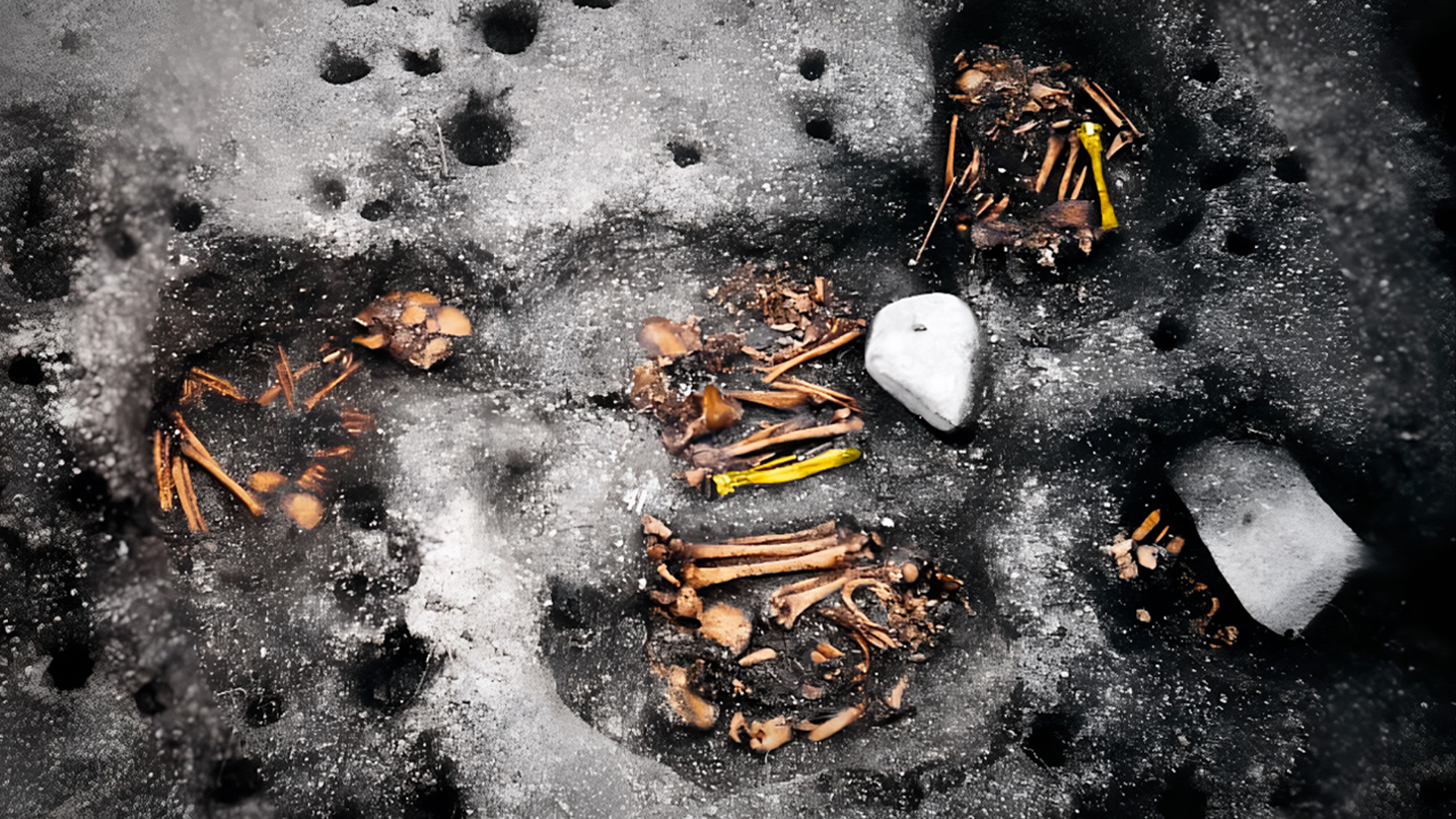
An array of human bones shown partially buried in the ground, with two bones highlighted in yellow.

People living on the coast of Brazil thousands of years ago carried the bacterium Treponema pallidum endemicum, a close relative of the microbe behind venereal syphilis, cutting-edge DNA research has revealed. The infection likely left the group with mouth sores and painful shins. 

Scientists found the microbe's DNA in 2,000-year-old human skeletons and used it to construct the oldest-known genome of a syphilis relative yet discovered. They reported their findings Wednesday (Jan. 24) in the journal Nature, and their discovery pushes back the origin of the microbe by more than 1,000 years.

Sign up to read this article
Read news from 100's of titles, curated specifically for you.
Already a member? Sign in here
Related Stories
Top stories on inkl right now
One subscription that gives you access to news from hundreds of sites
Already a member? Sign in here
Our Picks
Fourteen days free
Download the app
One app. One membership.
100+ trusted global sources.







