Ohio has created a new state service whose only job is to help families of children with cancer find doctors, clinical trials, insurance answers, and travel support without spending weeks doing it themselves. Governor Mike DeWine and Ohio Department of Health Director Bruce Vanderhoff announced the Pediatric Complex Care Navigation Program on Sept. 1, the first day of Childhood Cancer Awareness Month.
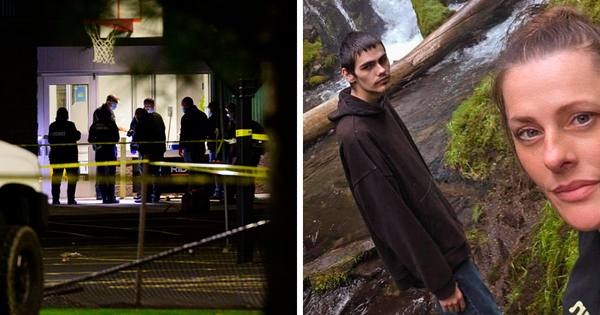
The program exists because of one family. Jayden Zurlinden of West Chester died in June at age 20 of osteosarcoma, a bone cancer diagnosed at 17, years after he survived a different cancer found when he was 18 months old. In his final weeks, his parents were researching clinical trials and medical studies while calling hospitals and insurance companies, trying to reach a treatment in California. He never made the trip.
For households anywhere in the country, the practical point is the one Jayden's mother made from the podium. The hardest part of a rare pediatric cancer is often not the medicine. It is the search, and the search happens at the exact moment a parent has the least capacity to conduct it.
Inside the New Ohio Navigator Program
The navigation program is housed inside the Ohio Department of Health and extends an existing service called the Complex Medical Help Program, which until now covered some cancer treatment costs only for families who met both medical and financial eligibility rules. The new navigation service carries no income test. Any Ohio family dealing with a pediatric cancer diagnosis can use it.
According to the state's announcement, navigators are meant to be a single point of contact who can help with medication support and Medicaid coverage, locating physicians, identifying funding so a child can travel for a clinical trial, and connecting families to nonprofit support networks. The Ohio Department of Health is adding staff to run it, and Vanderhoff said the expansion is being paid for with federal grant money.
Vanderhoff said a navigator is essential because the health care system, the insurance world, and the network of state and local services are often complex and confusing. "We want this program to streamline and simplify things to families," he said.
Vanderhoff also described what the role is not. Navigators are not clinicians and do not direct treatment. He characterized them as knowledgeable guides in an environment most parents have never had to enter before, there to reduce the administrative load rather than to make medical decisions.
A Second Cancer After Treatment for the First
Jayden's case illustrates a specific and underdiscussed category of harm. He was treated successfully as a toddler, including with radiation, and was diagnosed with osteosarcoma at 17. Radiation therapy is an established cause of second primary cancers years or decades later, which is why long term survivorship follow up is standard in pediatric oncology.
That history is why survivorship care matters as much as initial treatment. The National Cancer Institute maintains guidance on late effects of childhood cancer treatment, which covers the monitoring recommended for survivors as they move into adolescence and adulthood. Families who finished treatment years ago and stopped attending follow-up appointments are the group most likely to miss an early signal.
His mother, Cassie Zurlinden, told reporters her son's last weeks were consumed by research rather than by time together. "A navigator can make sure a terrified person isn't standing alone," she said, adding that navigators could give parents back something precious, meaning time.
Cost, Coverage and the Limits of a Navigator
A navigator changes how fast a family finds an option. It does not change whether an insurer approves it, whether a trial has an open slot, or whether a child meets eligibility criteria. Those remain the binding constraints in rare pediatric cancer, and no state office can override them.
Funding is the other open question. Vanderhoff acknowledged the expansion currently runs on federal grant dollars and that longer-term financing will have to be addressed as the program develops, as Ohio public radio reported. DeWine separately urged state legislators to further increase pediatric cancer research funding. In December, he announced a $5 million investment in pediatric cancer research that funded five children's hospitals and nonprofit organizations working on detection and treatment.
Families outside Ohio have no equivalent single point of contact in most states. The closest national substitutes are hospital-based oncology social workers, the trial listings at ClinicalTrials.gov, and nonprofit case management services. Parents can ask their child's treating hospital directly whether a social worker or financial navigator is assigned to their case, since many academic centers staff these roles without advertising them. Cost pressures elsewhere in the system, including federal drug pricing arrangements, rarely reach families this directly.
Next Steps for Ohio Families
Ohio families can reach the program through the Department of Health. The state has said services are available regardless of income, which removes the eligibility screening step that limited the older Complex Medical Help Program.
Parents of childhood cancer survivors, in Ohio or elsewhere, have a separate and more immediate action available. Confirm that survivorship follow up is still scheduled, ask which late effects apply to the specific treatment received, and report new persistent bone pain, swelling or unexplained fractures to a clinician rather than waiting for a routine visit. Those symptoms have many benign causes, but in a survivor they warrant prompt evaluation.
Nothing here is a substitute for a treating oncologist. What changed on Sept. 1 is that one state decided the search itself is a health problem worth staffing.
Key Questions Answered
What did Ohio announce? The state created the Pediatric Complex Care Navigation Program, housed in the Ohio Department of Health. It gives families of children with cancer a single point of contact for doctors, clinical trials, Medicaid and insurance questions, travel support, and nonprofit resources.
Who can use it? Any Ohio family dealing with a pediatric cancer diagnosis. Unlike the older Complex Medical Help Program, which covered some treatment costs only for families meeting medical and financial criteria, the navigation service has no income requirement.
Who was Jayden Zurlinden? A 20-year-old from West Chester who died in June of osteosarcoma. He had survived a different cancer diagnosed at 18 months old. He was a high school wrestler and a musician.
Can radiation treatment cause a second cancer? Yes. Radiation therapy is an established cause of second primary cancers appearing years or decades after treatment. This is why long term survivorship monitoring is standard practice in pediatric oncology.
What does a navigator actually do? Navigators help with medication support, Medicaid coverage, finding physicians, identifying funding for travel to clinical trials, and nonprofit referrals. They are not clinicians and do not make treatment decisions.
How is the program funded? The Ohio Department of Health is using federal grant money for the expansion. Director Bruce Vanderhoff said longer-term funding will need to be addressed as the program develops.
What can families outside Ohio do? Ask the treating hospital whether an oncology social worker or financial navigator is assigned to the case, since many centers staff these roles without publicizing them. Trial listings are searchable at ClinicalTrials.gov.