From the moment he was introduced in the pages of 1973’s Tomb of Dracula #10, Blade was destined to be a pop culture icon and one of the most beloved supernatural characters in comics. Created in the lineage of Marvel’s (at the time) very successful horror comics, Blade’s origins technically started with a failed pitch from his creator Marv Wolfman for a Black character in DC Comics’ Teen Titans — afterwards, he promised himself that the next character he created would be a Black man, owing to his childhood in New York City and his education at the High School of Art and Design, surrounded by everyday Black citizens who he felt were underrepresented in a comic book industry. In 1972, Wolfman was hired at Marvel Comics and eventually landed in the scripting chair for Tomb of Dracula, and in an instant, Wolfman says “the character came to him full blown,” knowing “exactly who he was and what he looked like.”
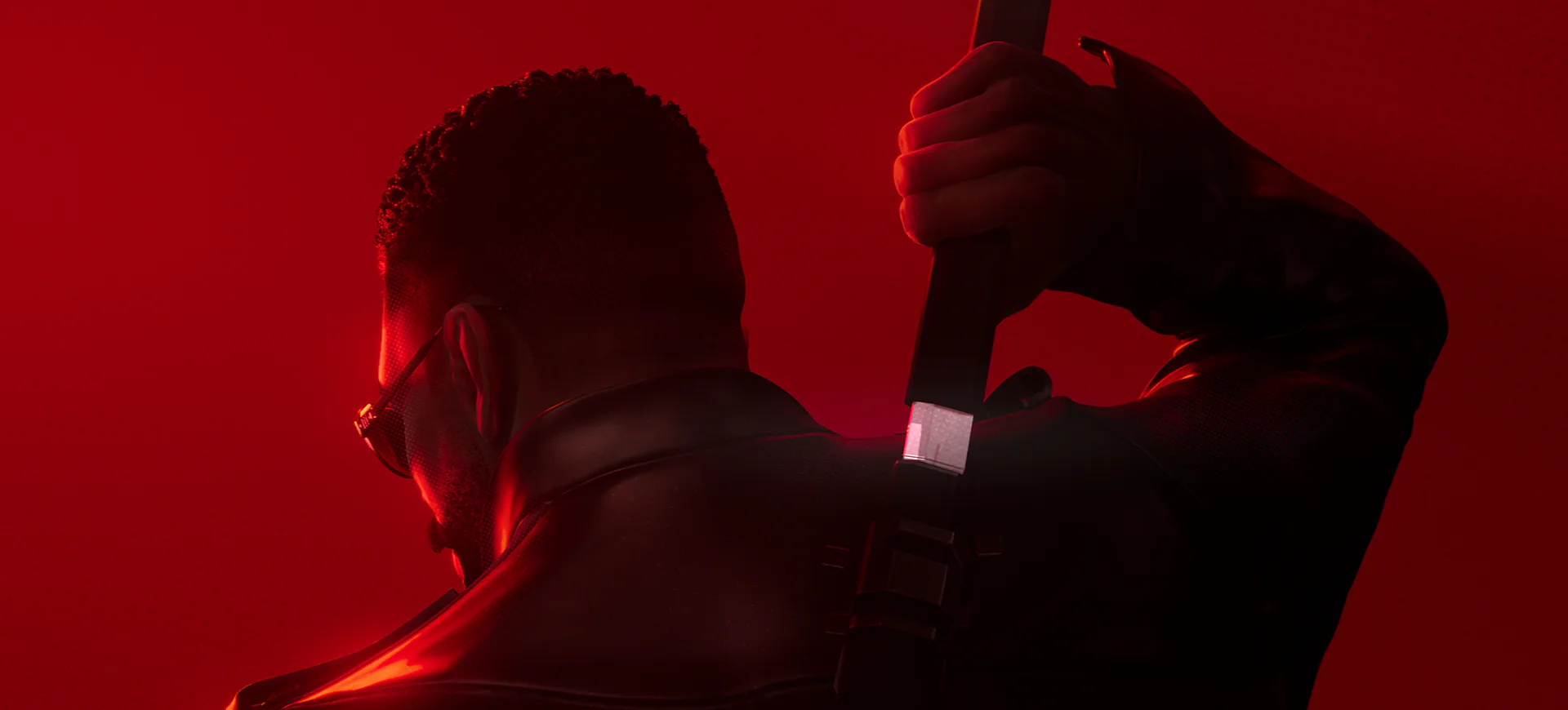
Initially the character remained confined to group horror books like Tomb of Dracula and Adventure Into Fear, but the ‘90s brought him renewed interest, partially because of being folded into the Midnight Sons imprint of supernatural characters such as Ghost Rider and Morbius the Living Vampire, and partially because of the release of the iconic 1998 film adaptation starring Wesley Snipes. Blade was quite literally the first successful Marvel film project and not only did it lead to two sequels of its own, it paved the way for the continued success of other Marvel Comics properties. The MCU probably would not exist without it, which is why it’s so disappointing that a planned reboot for the character starring Oscar-winner Mahershala Ali never materialized. And if that wasn’t enough, it was recently announced that Microsoft is considering shuttering Arkane Studios, the developer behind the possibly upcoming Blade video game — with all that in mind, there’s one question weighing on this bewildered writer’s mind: are modern Blade adaptations cursed?