Get all your news in one place.
100's of premium titles.
One app.
Start reading
The Conversation
The Conversation
Amiran Baduashvili, Associate Professor of Medicine, University of Colorado Anschutz Medical Campus

Most air cleaning devices have not been tested on people − and little is known about their potential harms, new study finds

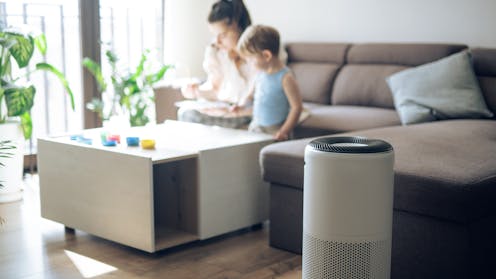
Some portable air cleaners generate chemicals such as ozone, formaldehyde and hydroxyl radicals to kill microbes. ArtistGNDphotography/E+ via Getty Images

Portable air cleaners aimed at curbing indoor spread of infections are rarely tested for how well they protect people – and very few studies evaluate their potentially harmful effects. That’s the upshot of a detailed review of nearly 700 studies that we co-authored in the journal Annals of Internal Medicine.

Many respiratory viruses, such as COVID-19 and influenza, can spread through indoor air. Technologies such as HEPA filters, ultraviolet light and special ventilation designs – collectively known as engineering infection controls – are intended to clean indoor air and prevent viruses and other disease-causing pathogens from spreading.

Sign up to read this article
Read news from 100's of titles, curated specifically for you.
Already a member? Sign in here
Related Stories
Top stories on inkl right now
One subscription that gives you access to news from hundreds of sites
Already a member? Sign in here
Our Picks
Fourteen days free
Download the app
One app. One membership.
100+ trusted global sources.