
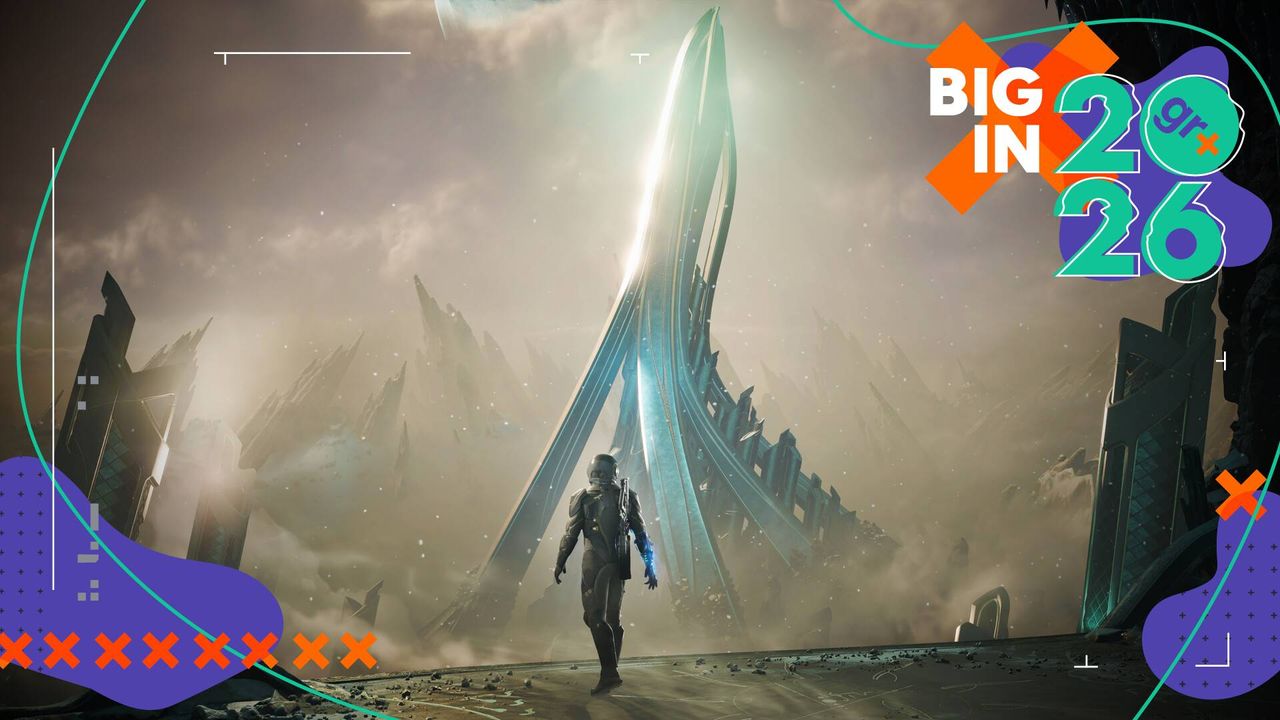
"Now we're through the fire, on the other side, I can say it's been part of the fun," says Exodus narrative director Drew Karpyshyn when I ask how on Earth the sci-fi RPG is pulling the threads of its story together. The RPG veteran - a BioWare legend with credits across Baldur's Gate, Star Wars: Knights of the Old Republic, Jade Empire, and Mass Effect - might be tackling his greatest storytelling challenge yet thanks to the timey-wimey nature of Exodus' central narrative conceit: Time Dilation.
Enshrined in popular culture by Interstellar, Time Dilation is a phenomenon by which the effects of extreme velocity or gravity cause the passage of time to be experienced differently by different people. In Exodus, as protagonist Jun goes jetting off across vast distances in an attempt to save his people, he might only feel he's been gone a few days, but months, years, or even decades might pass for those he leaves behind. The result is that the impact of players' choices will be felt on a massive scale, which presents a unique challenge for Exodus developers Archetype Entertainment.