A team of archaeologists is questioning the 14,500-year-old date of Monte Verde in Chile, one of the oldest human occupations in the Americas, and proposing a much younger age for the key Paleo-Indian site. The researchers suggest their new date challenges the current narrative of how early the Americas were settled, but other experts are not convinced and call it "egregiously poor geological work."
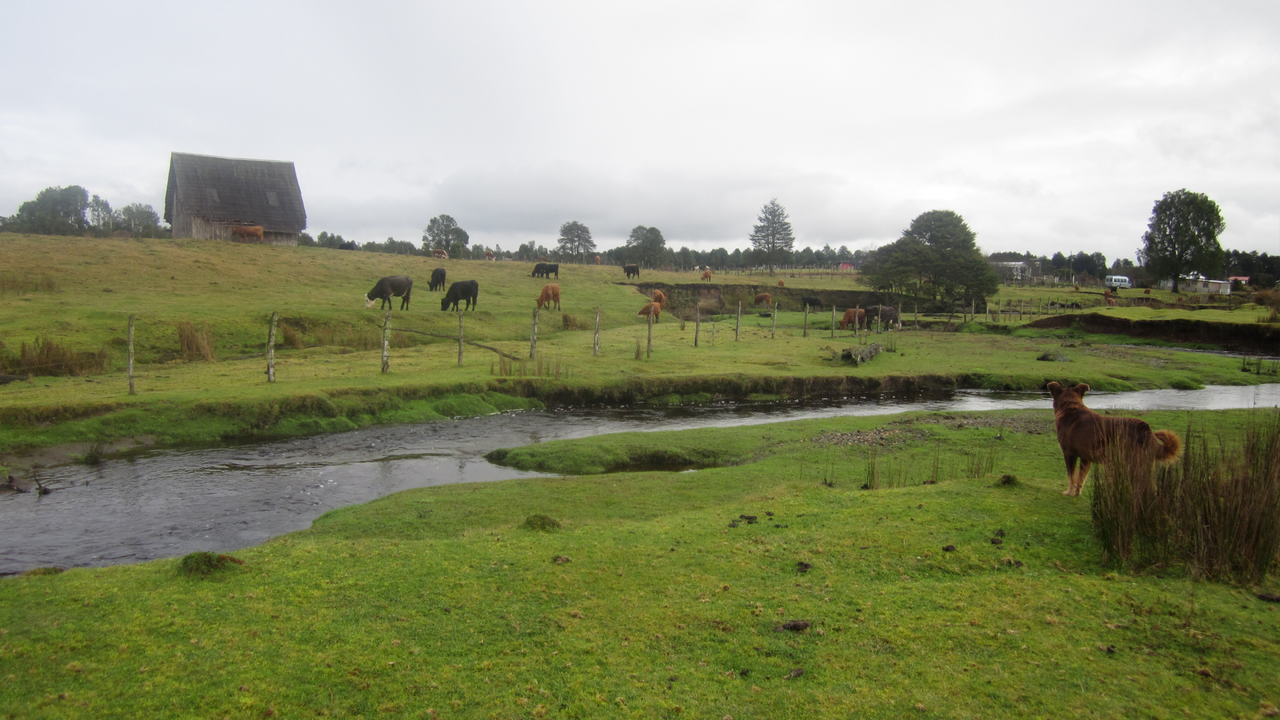
The Monte Verde archaeological site is located in the mountains of southern Chile. Discovered in 1976, the site yielded stone tools, preserved wood, bones and skin of extinct animals, a human footprint, edible plant remains, hearths and natural rope. Radiocarbon dates placed the site's occupation level, called Monte Verde II or MV-II, at about 14,500 years ago.