Get all your news in one place.
100's of premium titles.
One app.
Start reading
The Times of India
The Times of India
World
TOI World Desk

Keir Starmer steps down as UK PM: From internal revolts to lost confidence, 5 reasons behind his resignation

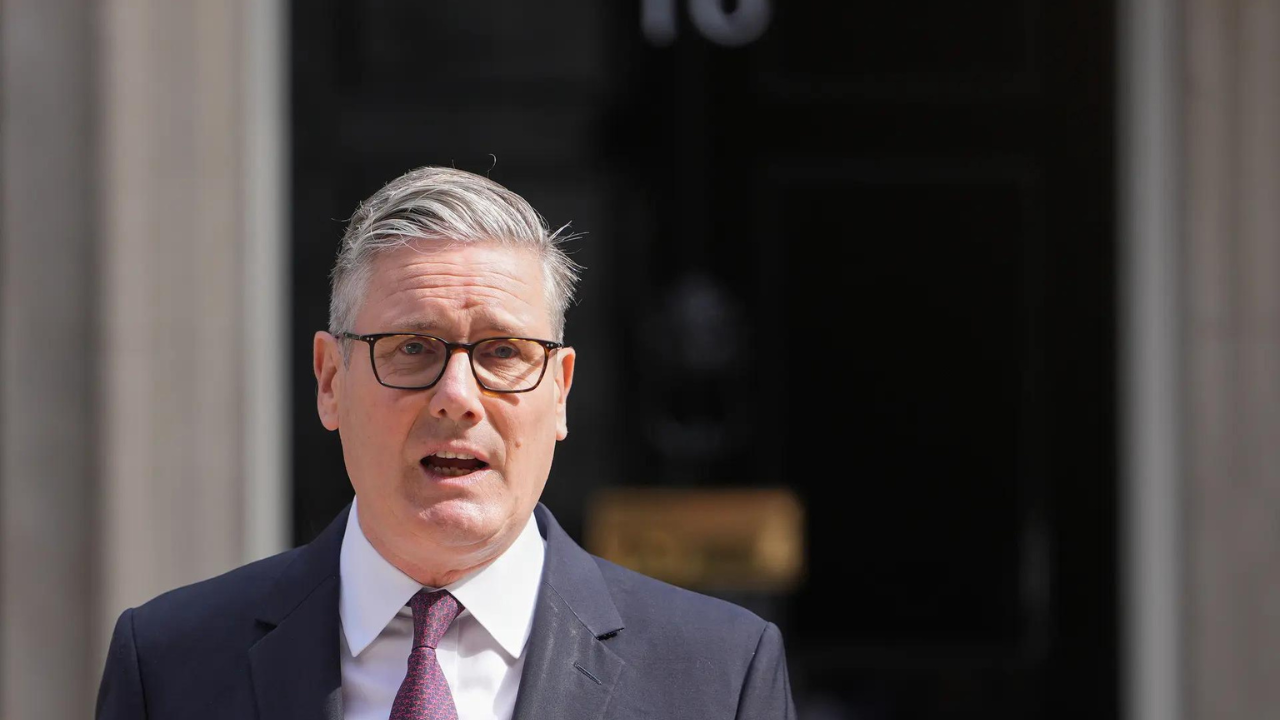
UK prime minister Keir Starmer on Monday announced his resignation as the leader of the Labour Party. He will stay as the caretaker PM till the his successor is chosen.

Get breaking news anytime, anywhere. Download the TOI app now!

In a public briefing outside 10 Downing Street, Starmer said he has "heard the answer" of his party to that question and "accepts that answer with good grace". He added that every decision he has taken has been about "putting the country I love first" and that he "will resign as leader of the Labour Party," he says.

Why Keir Starmer resigned: 5 key reasons

Here's why Starmer is quitting, with UK about to get it's 7 PM in 10 years.

1. Crushing election setbacks

The pressure on Starmer intensified after Labour suffered one of its worst performances in local and regional elections in May, barely two years after returning to power. The results fuelled concerns that Labour was losing support in traditional strongholds while Nigel Farage's Reform UK made significant gains. Within the party, many MPs began questioning whether Starmer could lead Labour to victory at the next general election.

2. Andy Burnham's comeback

For months, critics lacked a clear replacement for Starmer. That changed when Greater Manchester Mayor Andy Burnham won the Makerfield by-election and returned to Parliament. Burnham openly argued that Labour needed change and was widely seen as a leader capable of reconnecting with voters. His victory transformed leadership speculation into a real threat, with many MPs viewing him as the strongest potential successor.

3. Senior Labour figures openly turned against him

Starmer's authority was weakened by growing criticism from within his own party. Among others, John Healey resigned as defence secretary after a dispute over defence spending and publicly challenged the government's strategy while Health secretary Wes Streeting quit and launched a sharp attack on Starmer's leadership, accusing him of indecision and signalling that he could seek the leadership himself. Reports, at the time, further suggested that several cabinet ministers had privately advised Starmer to consider stepping aside.

4. Failure to deliver change promised in 2024

Labour's landslide election victory in 2024 was built on promises to revive economic growth, improve public services and restore confidence in government. However, Starmer struggled to meet those expectations. Economic pressures, spending constraints and a series of policy U-turns, such as the watering down of Labour's ambitious net-zero investment plans and the shelving of proposals for digital ID cards, left many voters unconvinced. Critics increasingly argued that the government lacked a clear direction and had failed to establish a compelling vision for Britain.

5. Scandals & controversies

Starmer also faced mounting political damage from a series of controversies. The most notable involved his appointment of Peter Mandelson as Britain's ambassador to the United States despite concerns surrounding Mandelson's links to Jeffrey Epstein. The appointment undermined Starmer's pledge to clean up politics and prompted questions about his judgment. Combined with ministerial resignations, falling approval ratings and internal unrest, it contributed to a growing belief within Labour that a change of leadership was necessary.

Sign up to read this article
Read news from 100's of titles, curated specifically for you.
Already a member? Sign in here
Related Stories
Top stories on inkl right now
One subscription that gives you access to news from hundreds of sites
Already a member? Sign in here
Our Picks
Fourteen days free
Download the app
One app. One membership.
100+ trusted global sources.