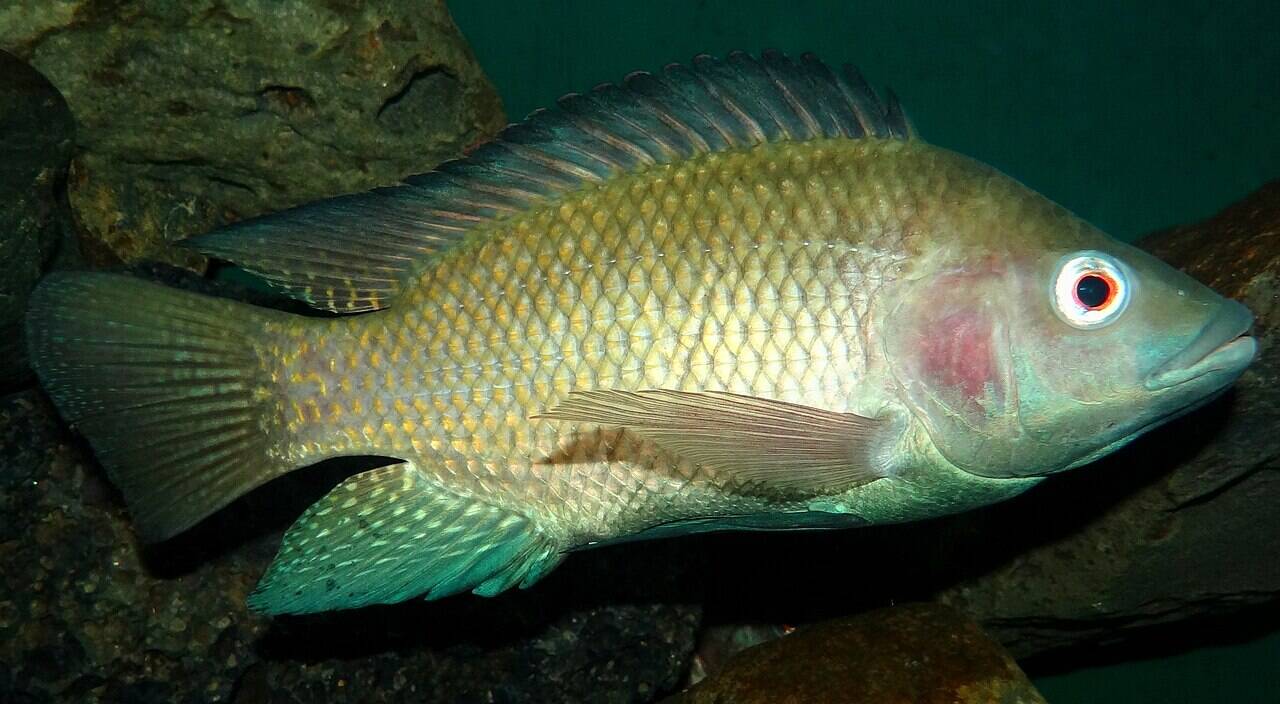
Spending an afternoon at a lake can feel restorative. As you walk along a grassy shoreline, throw sticks for your dog, or watch the sun reflect off the glassy surface, clean water can feel like the ultimate escape from hectic lives. We observe healthy plants that sway in the shallow waters, as well as fish swimming there.
Get breaking news anytime, anywhere. Download the TOI app now!
For generations, conservationists have warned us about the dangers of releasing non-native species into these fragile habitats. Usually, the warning is straightforward: non-native species can outcompete local wildlife and drive native species toward extinction. It sounds like a straightforward story of predator and prey, a direct battle for survival in the underwater world. But scientists are now discovering that the true damage goes much deeper than a simple change in the local food chain.
A scientific research paper named Global Quantification of the Ecological Footprint of Freshwater Fish Invasions shows how freshwater fish invasions can alter entire ecosystems. By analysing data from 149 independent studies, researchers found that these invasive fish species were not just decreasing the number of local species but rather becoming biological engineers that turn clear and healthy lakes into murky, nutrient-rich waters that face a highly complex and often incomplete recovery back to their initial state.
Engineering disaster of the underwater invaders
To understand how invasive fish can change a lake’s physical state, look at their feeding habits. Some of the most well-known invasive fish species, such as some species of carp, are bottom feeders. While looking for food at the lakebed, they dig the mud up vigorously, thus breaking the sensitive layers of sediments. This continuous digging works like a miniature bulldozer, releasing trapped phosphorus and nitrogen directly into the water.
The study explains that this increase in nutrients can trigger a destructive chain reaction. With so much extra food floating around in the water, microscopic algae begin to multiply at an uncontrollable rate. This algae bloom can reduce the sunlight native underwater plants need to survive. As the plants die off, the lake loses its natural filtration system and the roots that keep the bottom sediment stable.
Without the presence of plants, the water becomes persistently murky and dirty. The report shows that shifting from a clear-water state with healthy plant growth to a turbid, algae-filled state can be very hard to reverse. Such an environmental tipping point alters the physical and chemical composition of the lake and makes the ecosystem unsuitable for many of the initial species inhabiting it. The lake can shift from a clear ecosystem to a warm, algae-dominated one.
Long journey to save our local waters
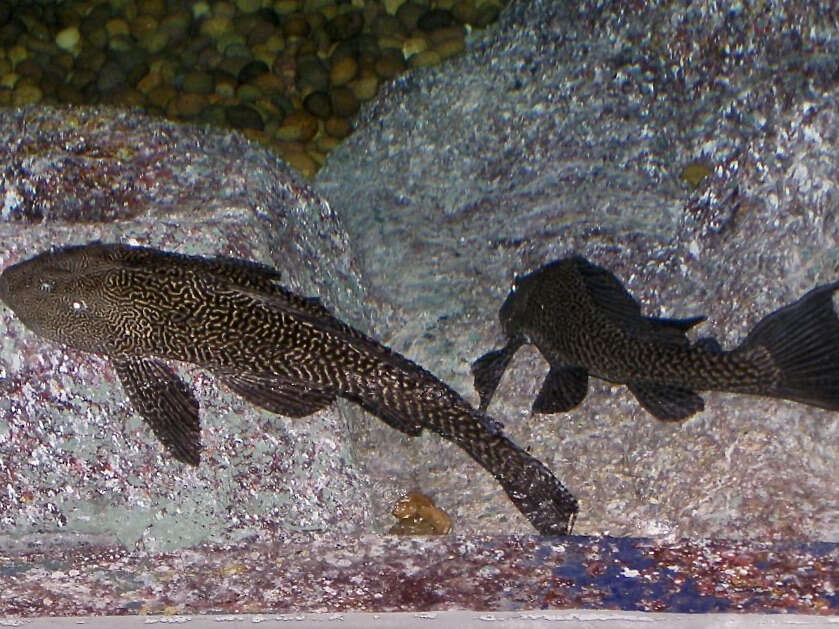
Such a change poses a major challenge for park rangers, environmentalists, and local communities trying to protect natural spaces. If an invasive species becomes established in a lake or pond, removing the fish often does not solve the problem. The excess nutrients in the water can be difficult to reduce.
The research indicates that non-native fish can reduce zooplankton, small organisms that feed on algae and help keep water clear. With their natural predators gone and their food supply artificially boosted, the algae blooms face almost no natural resistance. Restoring a damaged lake may require long-term interventions such as replanting vegetation, binding excess nutrients, and rebuilding parts of the food web.
The study highlights how interconnected freshwater ecosystems are. Releasing an exotic pet or moving live bait between waterways can trigger ecological changes that last for years. Once you see invasive fish as habitat-altering species, the importance of biosecurity policies becomes clear.