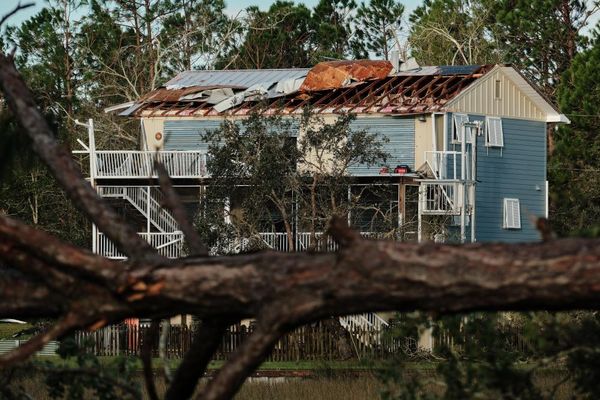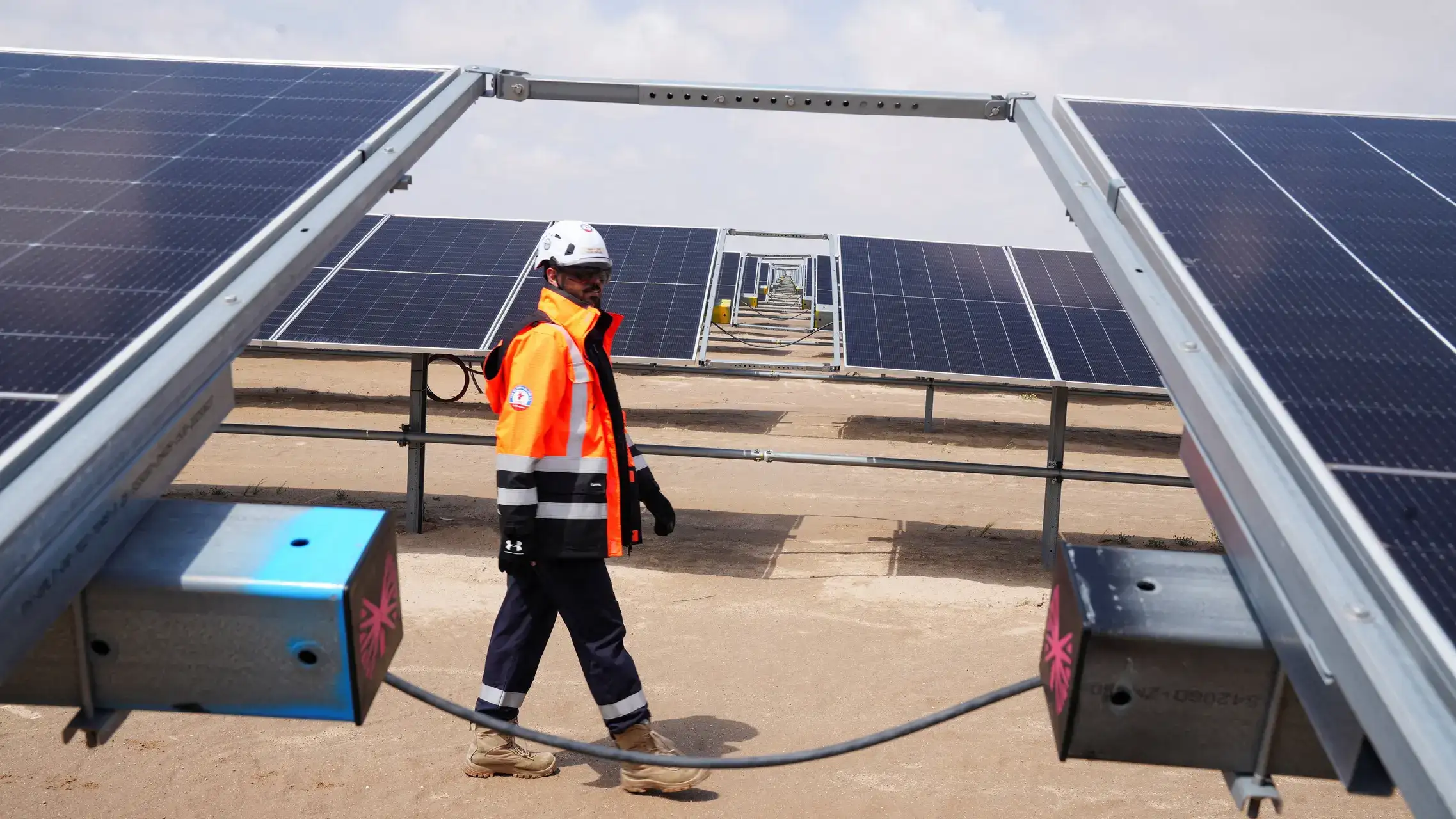
On two occasions in May, price of electricity on Indian Energy Exchange fell to zero. How can something so crazy happen when the country is in the grip of a severe energy crisis? Because India has been installing solar energy faster than local demand can absorb it, and the surplus can neither be stored (lack of battery storage) or transmitted to zones needing power (insufficient transmission lines). So, even as India boasts of record expansion of solar capacity, more is being shut down.
The worst problem is in Rajasthan, a desert state with enormous solar potential but limited industrial demand. Since the summer of 2025, solar and wind projects there have suffered severe curtailment, with some forced to shut down completely during peak daylight hours. An ET report revealed that the state had been curtailing up to 80% of solar generation for weeks because of low demand.

Rajasthan simply cannot absorb all the power it generates, while the national grid lacks sufficient infrastructure to carry the surplus to power-deficit regions. Meanwhile, fresh solar installation is rising faster than ever.
Policymakers have focused overwhelmingly on adding renewable generation capacity without simultaneously building transmission systems, storage facilities and demand-management mechanisms needed to integrate that power into the national grid. Solar parks have grown explosively in Rajasthan and Kutch in Gujarat because of abundant sunshine and vast tracts of cheap desert land.
But consumers are in industrial and urban centres hundreds of kilometres away. Without storage batteries, daytime surplus can't be stored and released in the evening, during peak demand time. Without adequate transmission lines, solar generation can get stranded.
Coal-based power stations in Rajasthan can reduce generation up to a point. But shutting them down completely is undesirable since a cold restart is expensive and uses much fuel oil. When solar generation first began, adjusting thermal load was easy. But now that renewable capacity has shot up, Rajasthan cannot cope.
Delays in commissioning critical transmission lines - especially the 765 kV Khetri-Narela double circuit line, the 765 kV Bhadla II-Sikar II line, and the 400 kV Narela-Maharani Bagh line - have exhausted available transmission margins. More than 4 GW of renewable capacity lacks proper evacuation capability, and the gap keeps rising.
Rajasthan has over 35 GW of solar capacity, 27% of the national total. Since last summer, 3-4GW of solar capacity has been curtailed, with some projects experiencing complete daytime shutdowns. Industry estimates place financial losses at ₹250 cr so far.
Kutch is India's other solar hotspot. Adani Group is building the world's biggest renewable park at Khavda, with 26 GW of solar and 4 GW of wind capacity. Ambani's Reliance Industries Ltd (RIL) is building another massive renewable park nearby on 5,50,000 sq km of desert land.
RIL is simultaneously building solar equipment as well as storage batteries and electrolysers to produce green ammonia from sea water in its major industrial complex at Jamnagar. So far, Gujarat's solar surplus has been marginal. But care must be taken to avoid Rajasthan's fate.
A worrying aspect is that even projects designed to relieve congestion have not solved the problem. Curtailments reportedly intensified after the Khetri-Narela line became operational on December 12. Instead of easing congestion, Grid India cited multiple technical constraints limiting renewable evacuation from Rajasthan. These included voltage oscillations at RE complexes, low short-circuit ratios at pooling stations, loading constraints on the Bhadla-Bikaner 400 kV corridor, and high loading on the 765 kV Bikaner-Khetri line. Transmission planning underestimated the complexity of integrating massive intermittent renewable capacity into the grid.
India's renewable strategy has tended to treat generation, transmission, storage and demand management as separate silos, instead of parts of an integrated energy ecosystem. Solar projects were approved faster than evacuation systems could be built. Developers invested billions, assuming transmission infrastructure would arrive on schedule. Instead, projects in Rajasthan have been deferred by 18-20 mths because of transmission delays, only to face further postponements.
The solution requires much more than simply adding batteries, though storage remains important. We must fast-track critical transmission infrastructure while synchronising renewable generation approvals with evacuation capacity. Delays in land acquisition, environmental clearances and regulatory approvals for transmission projects must be minimised.
Demand management is equally critical. India needs incentives for electricity consumption during solar peak hours. Time-of-day pricing could encourage industries and agricultural users to shift consumption to midday when solar generation is highest. Demand-response programmes could help smooth grid fluctuations and absorb excess RE.
Regulatory reforms are also necessary to ensure solar projects remain profitable. Renewable projects require stronger 'must-run' protections, compensation mechanisms for curtailment, and contractual safeguards recognising transmission delays as a 'change in law' event under power purchase agreements. Better forecasting and scheduling systems must coordinate renewable generation with grid demand more intelligently.
India's solar crisis is not a failure of renewable technology or installation. It is a failure of planning, coordination and infrastructure. Let us correct this forthwith.