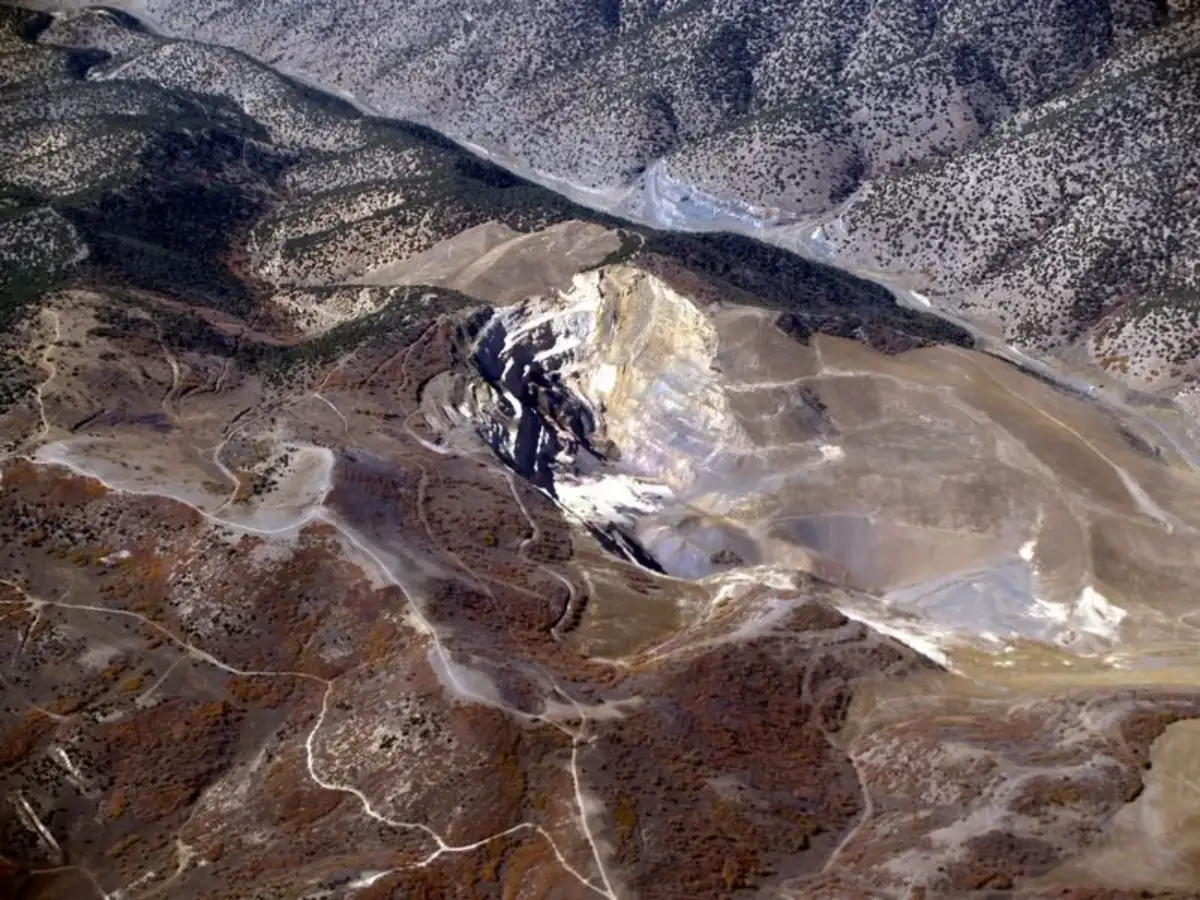
Mercur, Utah, shows how a technological breakthrough can transform a remote settlement and how quickly that prosperity can disappear. Once a thriving mining town in the Oquirrh Mountains, southwest of Salt Lake City, Mercur attracted workers, businesses and investors after a new method made it possible to extract gold from ore that had previously been difficult to process economically. Its rise reflected the promise of modern mining, but its future remained tied to the fortunes of a single industry.
According to historical accounts of Utah’s mining industry, Mercur’s population grew to more than 2,500 during its late-19th-century boom. The introduction of the cyanide process helped make gold extraction from low-grade ore commercially viable, turning the settlement into a significant mining centre. By 1913, however, the mine had closed, and the town was abandoned, leaving behind a reminder of the opportunities and risks associated with mineral wealth.