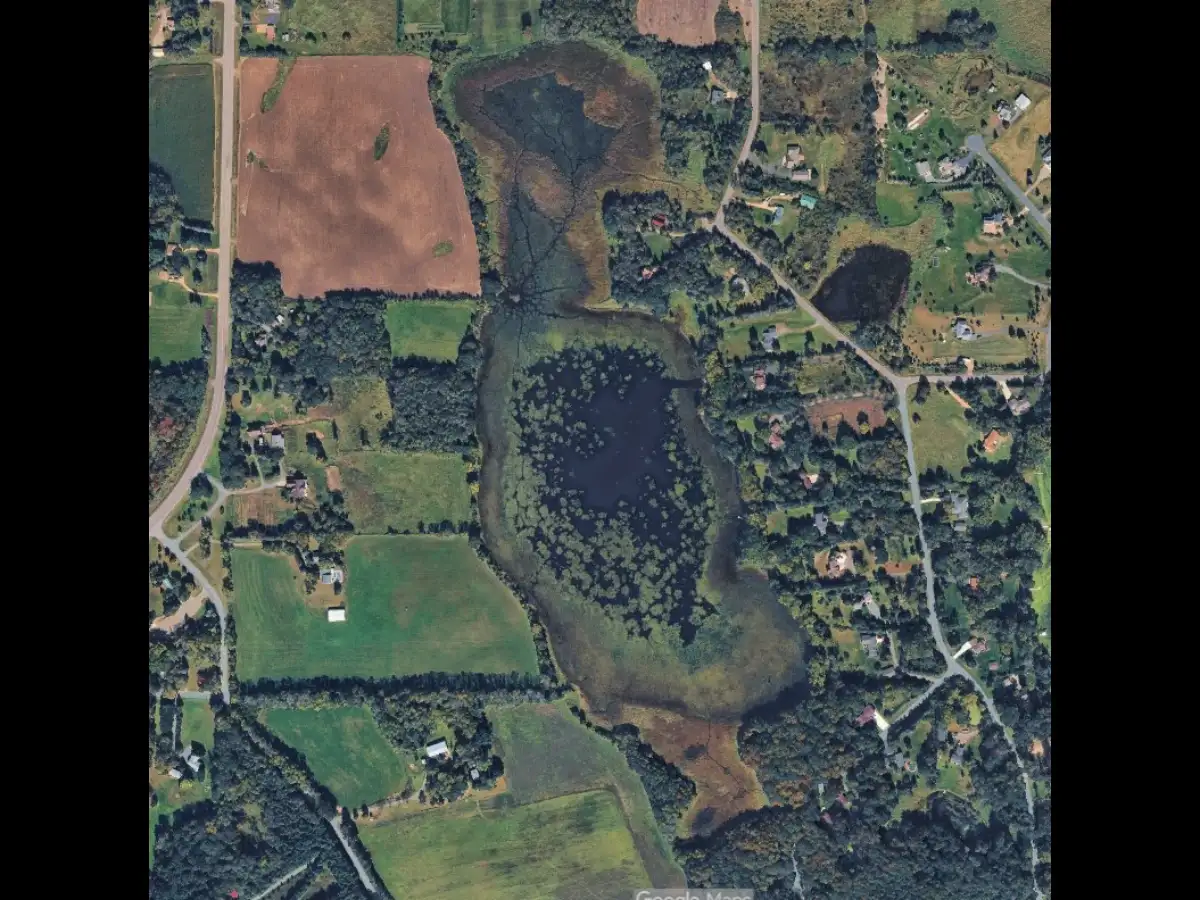
Hay Lake in Minnesota faced a persistent phosphorus problem that contributed to summertime algal blooms and put the shallow lake on the Clean Water Act Section 303(d) list of impaired waters. A 2012 nutrient TMDL called for a 46-pound annual reduction in phosphorus loading, equal to about 34% of the lake's annual load. Farm and land-use changes, including cropland conversion to native prairie, cover crops and shoreline buffers, helped reduce phosphorus entering the lake.
By 2022, phosphorus levels were consistently meeting Minnesota's water quality standard, and Hay Lake was removed from the impaired waters list, as per a report by U.S. EPA and Minnesota Pollution Control Agency.