
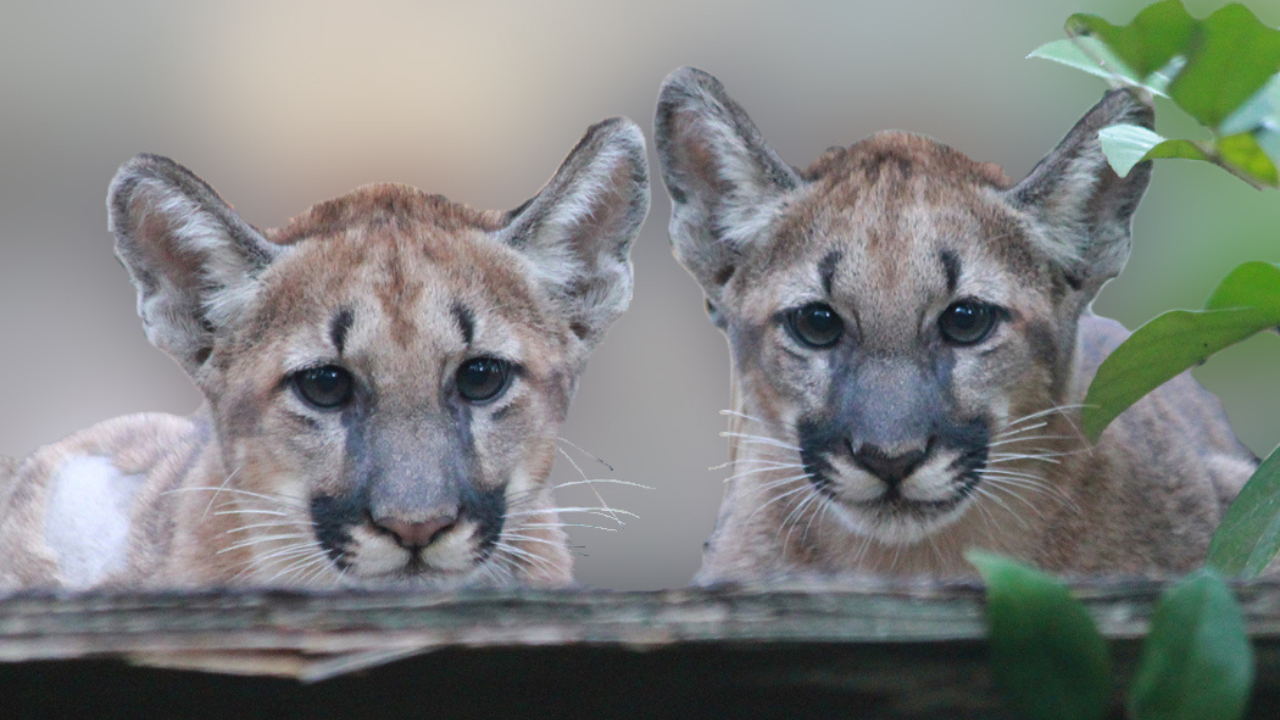
By the early 1990s, the Florida panther stood on the brink of extinction. Fewer than 30 animals remained in the wild, isolated from other cougar populations for decades as development, highways, and hunting shrank their range. The consequences extended beyond dwindling numbers. Many panthers suffered from severe inbreeding, displaying kinked tails, heart defects, undescended testicles, and poor reproductive success that threatened the future of the subspecies. Faced with the possibility of losing Florida’s official state animal forever, wildlife managers approved an unusual conservation experiment. In 1995, they released eight female pumas from Texas into southern Florida, hoping that fresh genetic diversity would rescue the struggling population. Three decades later, new genomic research is revealing exactly why that bold decision worked.
Get breaking news anytime, anywhere. Download the TOI app now!













