Get all your news in one place.
100's of premium titles.
One app.
Start reading
The Economic Times
The Economic Times

In 1869, Civil War veteran John Wesley Powell and nine others entered the unmapped Grand Canyon. What they discovered transformed geology

In the summer of 1869, a one-armed Civil War veteran set out on a journey that many believed would end in disaster. Armed with little more than small wooden boats, scientific instruments and determination, John Wesley Powell led nine men into the largely unmapped Colorado River, hoping to answer one of geology's biggest questions: How was the Grand Canyon formed?

The expedition, which began on May 24, 1869, from the Green River in present-day Wyoming, was unlike any previous journey into the canyon. Powell and his crew battled violent rapids, towering canyon walls, dangerous currents and dwindling food supplies as they navigated one of North America's most unforgiving landscapes. Every mile forward came with the risk of losing boats, equipment—or even lives.
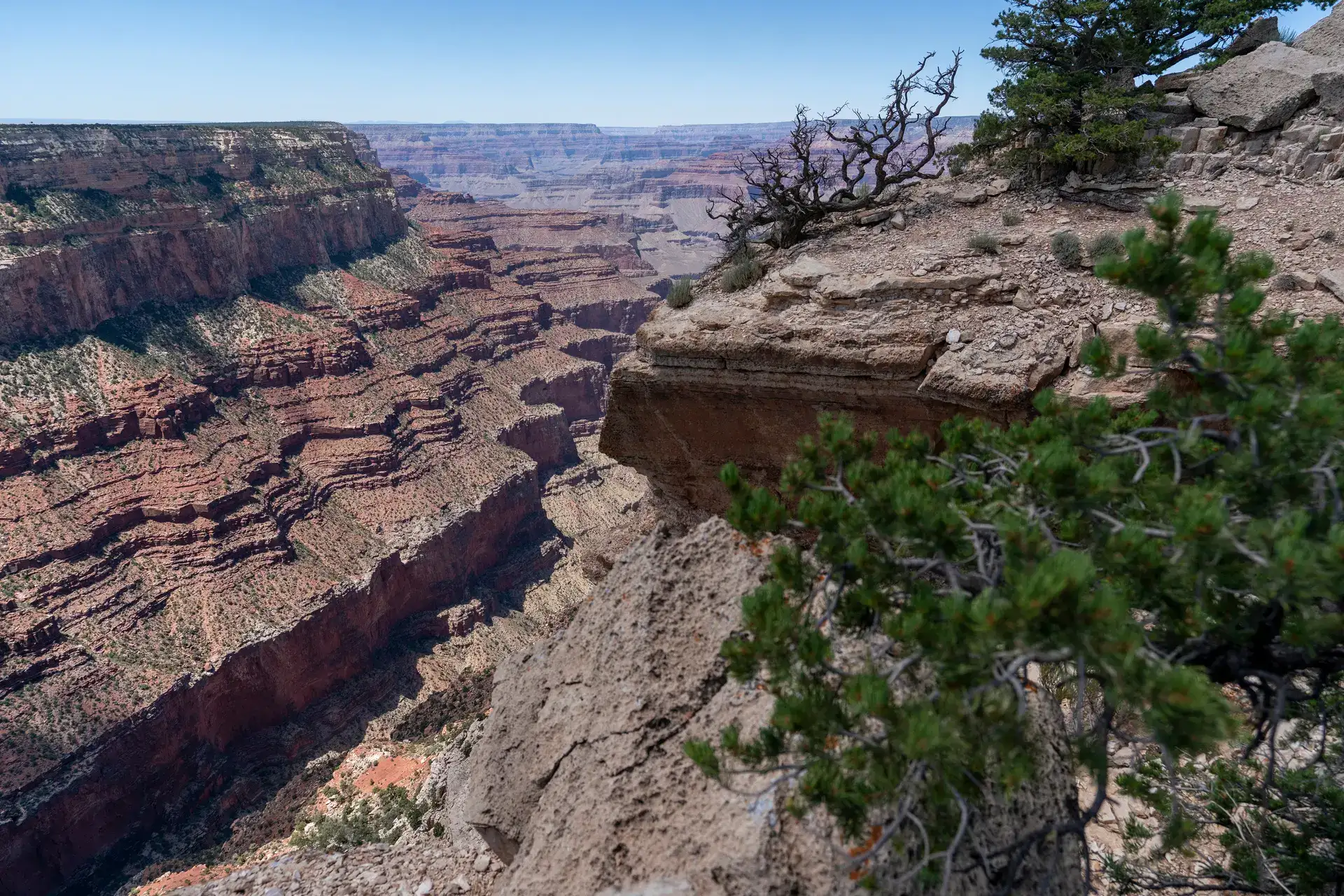
Yet Powell's mission was never simply about survival. He carefully documented river levels, mapped the changing landscape and recorded the canyon's remarkable rock formations. As the expedition progressed, he realized the towering walls surrounding him were more than cliffs—they were a timeline of Earth's history.

Powell concluded that the Grand Canyon exposed layer upon layer of ancient rocks, with the oldest formations at its base dating back nearly 2 billion years. Each rock layer represented a different chapter in the planet's geological past, preserving evidence of ancient oceans, mountains, rivers and dramatic climate changes.

His findings transformed scientific understanding of the canyon. Rather than being carved by a single catastrophic event, Powell showed that the Grand Canyon had been shaped gradually over millions of years through erosion, sediment deposition and the relentless force of the Colorado River. His observations laid the foundation for modern geological studies of the region.

The expedition itself was filled with setbacks. Boats were repeatedly damaged by powerful rapids, precious supplies were swept away and morale dwindled. Near the end of the journey, three members chose to leave the expedition and climb out of the canyon, while Powell and the remaining crew pressed on. After nearly three months, they successfully completed one of the most daring scientific expeditions in American history.

Beyond the adventure, Powell's greatest legacy was the scientific record he left behind. His detailed maps, geological notes and observations became the basis for future research on the Colorado River and the Grand Canyon, helping generations of geologists better understand Earth's ancient past.

More than 150 years later, visitors standing on the rim of the Grand Canyon are looking at the same rock layers that captivated Powell during his perilous expedition. What began as a risky voyage into one of America's last unexplored frontiers ultimately changed how scientists viewed the history of the planet.

According to the U.S. Geological Survey, Powell's expedition marked the beginning of the scientific investigation of the Grand Canyon's rocks, river system and surrounding landscape, cementing its place as one of the most influential explorations in American history.

Sign up to read this article
Read news from 100's of titles, curated specifically for you.
Already a member? Sign in here
Related Stories
Top stories on inkl right now
One subscription that gives you access to news from hundreds of sites
Already a member? Sign in here
Our Picks
Fourteen days free
Download the app
One app. One membership.
100+ trusted global sources.