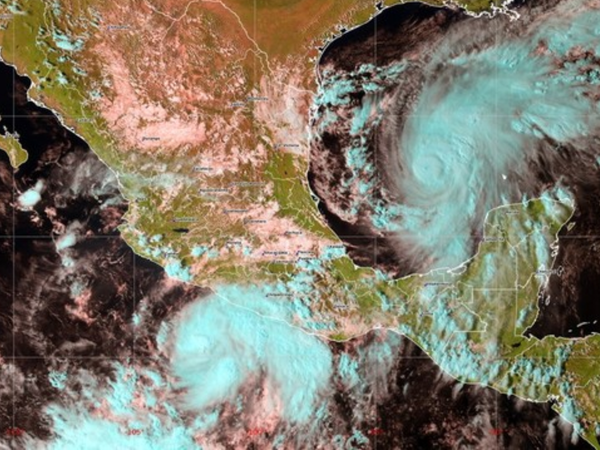
Heat waves, cold snaps, and severe storms are becoming more common across the United States, and doctors are paying close attention to how these conditions affect heart health. Recent research found that every day with temperatures above 100 degrees Fahrenheit may raise cardiovascular disease risk by about 3%, especially in vulnerable adults. That statistic may sound small at first, but repeated exposure over weeks or months can place serious strain on the heart. The growing connection between climate conditions and cardiovascular problems has made extreme weather heart attack risk an important health concern for families everywhere. Understanding the warning signs and taking simple precautions can help reduce the chances of a dangerous medical emergency.