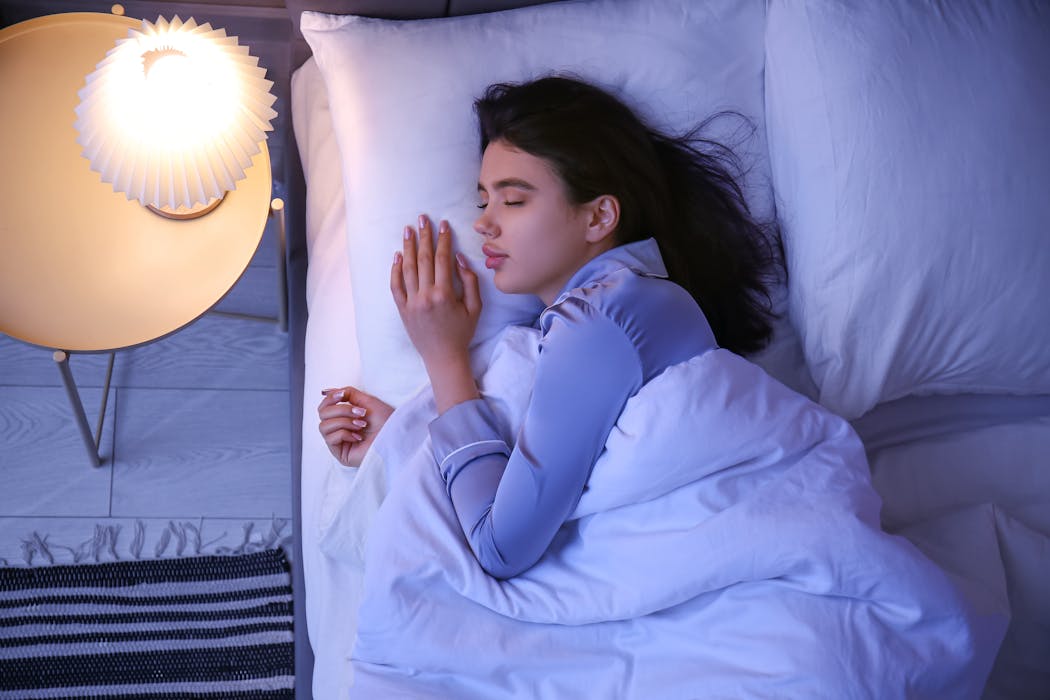
Sleep is one of the essential physiological needs for human survival, alongside food, water and air. But sleep is socially driven, influenced by environmental and personal factors, and a recent study suggests it may be affected by fragments from bacteria.
Historically scientists have thought it unlikely that gut microbes affect physiological sleep regulation. The recent study, published in Frontiers in Neuroscience, indicated bacterial cell wall components (peptidoglycan) have been found in areas of the brain called the brainstem, olfactory bulb and hypothalamus.