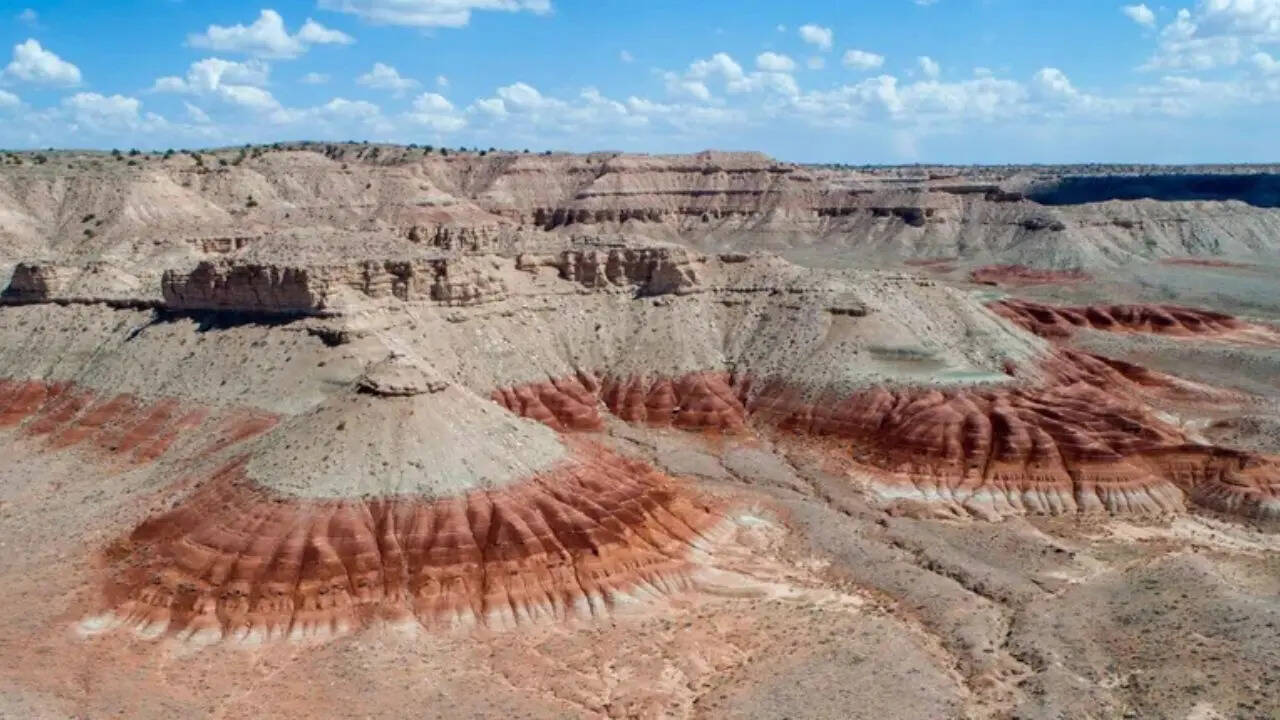
The Grand Canyon has long been seen as one of the most striking natural landscapes on Earth, yet its origins remain surprisingly unsettled. Scientists broadly agree that the Colorado River played a central role in carving the canyon millions of years ago as reported by USGS. Even so, the exact sequence of events has never been fully pinned down. A new study now revisits an older idea, suggesting that an ancient lake overflow may have triggered the river’s path through the region. The argument leans on microscopic geological evidence, offering a fresh angle on a debate that has stretched across decades. It does not settle everything, but it adds weight to a theory that had once been largely set aside.