Get all your news in one place.
100's of premium titles.
One app.
Start reading
International Business Times UK
Entertainment
Akshay Puri

Four Social Media Giants Rejected Ads for This Elon Musk Documentary — Two Have Changed Their Minds

The ‘Musk’ ad dispute highlights the challenges of promoting political documentaries on social media. (Credit: YouTube)

A documentary about Elon Musk faced an unusual advertising roadblock after several major social media platforms initially rejected its trailer as paid advertising, citing political-content rules. The film's distributor, Bleecker Street, appealed the decisions, and the situation later changed. Meta said its rejection was an error and restored the ads, while YouTube said a temporary advertising restriction was lifted after review.

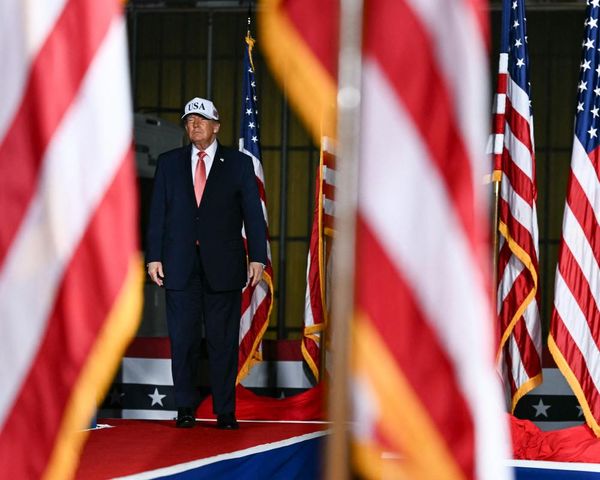
The nearly four-hour documentary, Musk, is directed by Oscar-winning filmmaker Alex Gibney and examines Musk's business career, personal life and political influence. Its trailer includes footage from a 2024 political rally and references the US presidential election—elements that reportedly contributed to the initial classifications. TikTok and X had not confirmed comparable reversals in the latest reports.
Why the Ads Were Initially Rejected

The dispute centred on how platforms classified the trailer during their advertising reviews. Its political rally footage and election references reportedly triggered restrictions when Bleecker Street submitted it as a paid advertisement.

A documentary about a political figure or election is not necessarily an ad for a candidate or campaign. However, advertising systems may flag content featuring political figures, elections or campaign footage for additional review.

Bleecker Street appealed the decisions and sought clarification. The restrictions applied to the trailer's paid promotion, not to the documentary being removed from the platforms.

Meta and YouTube Reverse Their Decisions

Meta subsequently said its rejection was an error and restored the advertisements. YouTube also clarified that the trailer remained available on its platform and said the restriction applied when the trailer was submitted as a paid advertisement. Following a review, the trailer was cleared to run.

The reversals mean the initial decisions were not permanent. In both cases, the platforms ultimately determined that the trailer could be promoted through their advertising systems. As of the latest reporting, however, TikTok and X had not publicly confirmed comparable reversals.

X Presents a Separate Issue

X presents a particularly notable part of the dispute because Musk owns the platform. While the other decisions were handled through advertising-review systems, X had also declined to run the documentary's advertisement.

The company had not publicly confirmed that it would reverse that decision. TikTok's position was also unclear after Meta and YouTube changed their decisions. For Bleecker Street, the unresolved status of these platforms could affect where the documentary's theatrical release can be promoted through paid advertising.

Musk Has Criticised the Documentary

The advertising dispute comes amid a separate disagreement between Musk and the filmmakers. Musk has publicly criticised the documentary and described it as a 'hit piece'. His lawyer, Alex Spiro, has also threatened potential legal action over claims concerning Musk and the use of Starlink in connection with the 2024 US presidential election.

Spiro has disputed the implication that Musk used Starlink to influence the election and argued that the system is not connected to vote tabulation. The filmmakers have defended the documentary as a fact-based examination of Musk. These competing claims are separate from the advertising dispute and should be treated as allegations and responses rather than established findings.

Why the Advertising Dispute Matters

The episode illustrates the challenge distributors can face when entertainment content overlaps with subjects covered by political advertising rules. A film trailer can feature politicians, elections or campaign events without being a political campaign advertisement. However, platforms' advertising systems can still flag such material when it is submitted for paid promotion.

In this case, the initial restrictions were followed by additional reviews and reversals from Meta and YouTube. The episode therefore highlights how platforms distinguish, or sometimes initially fail to distinguish, between political subject matter and paid political advertising.

The Situation Ahead of Release

Musk premiered at the Venice International Film Festival on 8 September 2026 and is scheduled for a US theatrical release on 9 October. Meta and YouTube have since cleared the documentary's trailer for paid promotion, while the status of advertising on TikTok and X remained unresolved in the latest reports.

The situation could still change as the film's release approaches. For now, the dispute centres on how social platforms classify paid promotional material when a documentary includes political figures, election footage, and other politically sensitive content.

The case also demonstrates why an initial advertising rejection does not necessarily represent a platform's final decision. Further review can result in a different classification, as happened with the documentary's trailer on Meta and YouTube.

Sign up to read this article
Read news from 100's of titles, curated specifically for you.
Already a member? Sign in here
Related Stories
Top stories on inkl right now
One subscription that gives you access to news from hundreds of sites
Already a member? Sign in here
Our Picks
Fourteen days free
Download the app
One app. One membership.
100+ trusted global sources.