Get all your news in one place.
100's of premium titles.
One app.
Start reading
Euronews
Euronews
Marta Iraola Iribarren

Flesh-rotting bacteria: What is Vibrio and should you be worried?

The arrival of summer and rising sea surface temperatures can create the perfect conditions for certain bacteria to thrive.

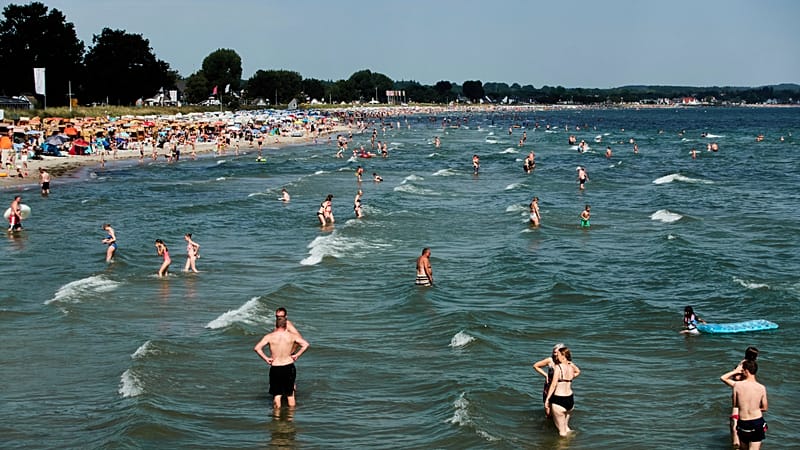
That is the case with Vibrio, a bacterium that lives naturally in coastal waters where salt and fresh waters meet.


What is Vibrio?

Vibrio is a species of waterborne bacteria that thrives in temperate and warm waters with moderate salinity.

The bacteria can cause vibriosis in people who are in contaminated waters or eat contaminated seafood.

It is caused by several species of Vibrio bacteria, some of which can cause serious infections. While two strains (V. cholerae O1 and V. cholerae O139) are responsible for cholera, most infections are not as severe.

These include foodborne infections arising from eating raw or undercooked shellfish, and severe bloodstream infections when bacteria enter the body through cuts or wounds on the skin.

What are the symptoms of infection?

Symptoms vary widely depending on the route of transmission.

If the infection is caused by swimming in contaminated waters, Vibrio can cause ear infections and skin-related conditions when it comes into contact with open wounds, including redness, swelling and pain.

Untreated wound infections can lead to serious complications such as necrotising fasciitis, bloodstream infections, sepsis and limb amputations, warns the European Centre for Disease Prevention and Control (ECDC).

Most strains are harmless, but some strains, such as the Vibrio vulnificus, known as "flesh-eating," can cause severe and even fatal infections in rare cases, especially in people with open wounds or weakened immune systems.

People with weakened immune systems or chronic liver conditions are particularly vulnerable.

What are the real risks?

Although Vibrio infections remain relatively rare in Europe, several northern countries bordering the Baltic Sea have reported increases in recent years, notes the ECDC.

According to the agency, this has been particularly evident during summers with extended heatwaves and higher water temperatures.

In 2018, 445 cases were reported, more than triple the annual median of 126 cases recorded between 2014 and 2017.

The ECDC recommends avoiding eating raw or undercooked shellfish, particularly oysters, and ensuring that seafood is thoroughly cooked.

To protect against exposure to possibly contaminated water, it is recommended to avoid swimming in brackish or salt waters with an open wound or cuts, or after recent piercings.

Where can Vibrio be found in Europe?

According to the European Food Safety Authority (EFSA), due to a surge in extreme weather events, such as heatwaves, over the past 20 years, Europe has seen a rise in Vibrio infections, and levels in seafood are expected to increase globally.

The Baltic Sea, the Baltic and North Sea transitional waters, and the Black Sea, as well as coastal areas with large-river inflows, have the highest Vibrio concentrations.

The ECDC tracks the bacteria's spread through an interactive map, updated daily with a five-day forecast.

Sign up to read this article
Read news from 100's of titles, curated specifically for you.
Already a member? Sign in here
Related Stories
Top stories on inkl right now
One subscription that gives you access to news from hundreds of sites
Already a member? Sign in here
Our Picks
Fourteen days free
Download the app
One app. One membership.
100+ trusted global sources.