Freelance writer Sarah Li Cain remembers well her early years as a contractor. Amid the constant push to find new clients, taxes were front of mind.
“I am legitimately too paranoid not to be on top of my taxes,” Cain said in a message to The Independent. “The minute I became a freelancer, I read up on what I needed to do, and managed to find a fantastic (now defunct) blog from a bookkeeper who had a checklist of what to do.”
Cain and other contract workers - along with S corporations and a couple of other business structures - are within a group of taxpayers who usually have to pay estimated taxes. The Internal Revenue Service requires these payments for taxable income that doesn’t already have taxes withheld.
Failure to pay what you owe can result in a penalty and surprise tax bills that people may not have saved for.
To avoid these penalties and unexpected bills, it helps to know how estimated taxes work and what you can do to ensure you pay the right amount, at the right time.
Estimated taxes explained
Estimated tax payments are required from individuals who expect to owe more than $1,000 to the IRS from wages that don’t have taxes automatically withheld.
That requirement includes a wide range of income, the IRS notes on its website:
- Self-employment income
- Interest
- Dividends
- Alimony
- Capital gains
- Prizes and awards.
Sole proprietors (freelancers and the self-employed, for example) and a few other business structures often require estimated tax returns, the IRS says. Paying estimated taxes for business income not only covers income tax, but also other business-related levies like the self-employment and alternative minimum taxes, according to the IRS.
Remember your deadlines
Each year, the IRS posts the quarterly payment due dates for estimated taxes. Here are those dates for the 2026 tax year, per the IRS:
- April 15
- June 15
- September 15
- January 15.
"Missing [quarterly payments] doesn't just mean a lump sum at tax time,” said Steve Sexton, owner of financial services firm Sexton Advisory Group. "It can also mean penalties and interest on top of what you already owe. I always tell my clients that the tax bill doesn't disappear just because you're not thinking about it.”
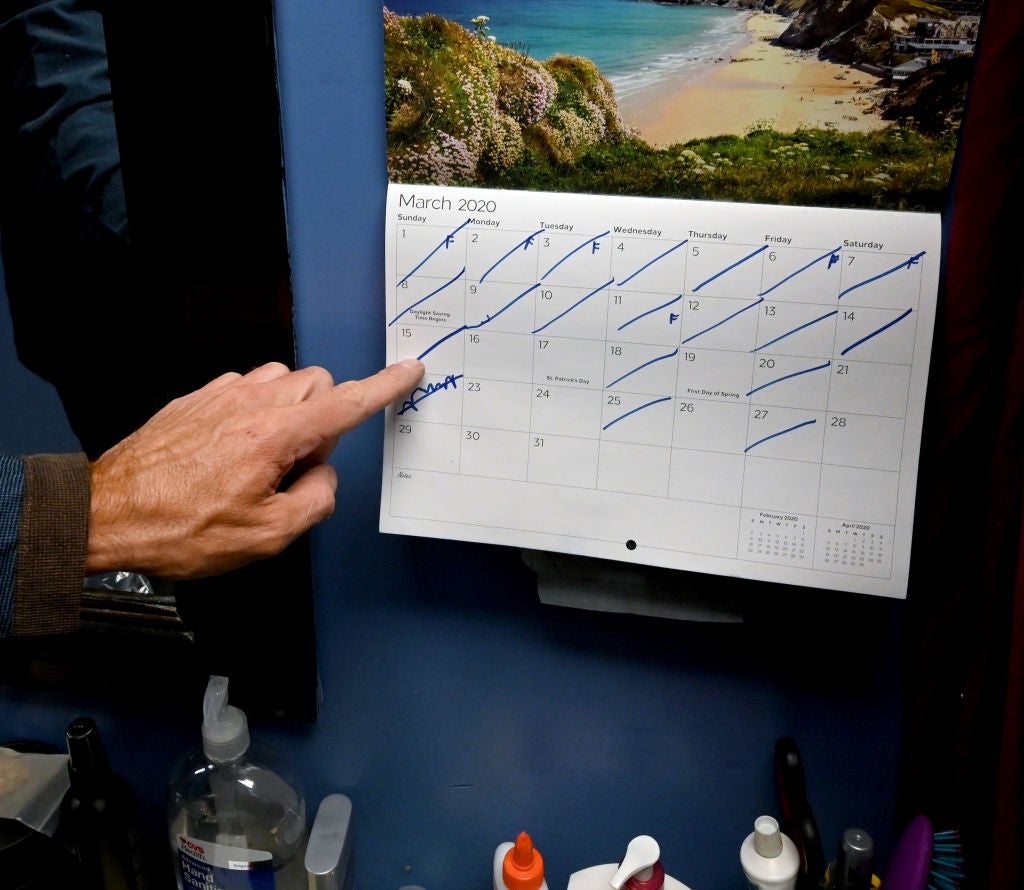
To avoid missing deadlines, set reminders in your calendar a week ahead of each payment deadline so you have time to calculate what you need to pay.
Be safe instead of sorry
The IRS provides Form 1040ES to help taxpayers calculate how much they need to pay each quarter. However, some filers take a simpler approach based on their past experiences with estimated taxes.
Writer Melanie Lockert had a strategy of setting aside at least 30 percent of her income in an account that earns interest. She adopted this strategy after being hit hard by a big tax bill a few years into her freelance career.
“After two years of freelancing, I entered a new income bracket and didn't save enough for taxes,” Lockert said in a message to The Independent. “I wiped out my emergency fund to pay the tax bill. I immediately hired an accountant, and I do what he tells me and have been good since. I save at least 30 percent of my income for taxes in a high-yield savings account.”
The IRS suggests the 90/100 method, in which filers pay over the course of the year whichever is smaller of the two figures below:
- 90 percent of what you expect to owe for the current year
- 100 percent of what you paid the previous year
“The IRS isn't asking you to be perfect; they just want you to be close,” Sexton wrote in an email to The Independent. “Fall short of [the 90 percent/100 percent guidelines], and you're looking at underpayment penalties regardless of whether you pay in full by April.”
A good rule of thumb is to set aside 25 to 30 percent of your business income each month to cover estimated taxes, Sexton said.

In general, both taxpayers and experts say it’s better to be safe than sorry.
“Estimating can be difficult when freelancing, for obvious reasons: We don't necessarily know what we'll make from one month to the next,” freelance writer Ashlee Valentine told The Independent in a message.
“But I use my previous year and compare my revenues now in the current year, and try to overestimate a bit to avoid tax season penalties.”
Penalties are painful
As Sexton mentioned, the IRS will levy a penalty on your owed tax amount if you underpay your estimated taxes. The 2026 penalty is 7 percent, according to the IRS.
The penalty is painful because its interest compounds daily, which means your tax balance accrues interest quickly.
If you find yourself owing money to the IRS because you underpaid your estimated taxes, paying off your balance as quickly as possible can curb additional interest charges.
This article is sponsored by Credit Karma. We may earn a commission if you engage with their services using links in this article.
Retiring soon? Expert explains how IRAs and 401(k) work
Here are four steps I took to get my first home loan
Three common things American retirees should avoid with mortgages
Dollar Tree projects poor earnings as pressure builds on Americans’ budgets
Dollar Store to introduce new layout - one that will have treasure hunters buzzing
More Popeyes locations have closed after major franchisee filed for bankruptcy