Get all your news in one place.
100’s of premium titles.
One app.
Start reading
Kiplinger
Kiplinger
Business
Jeffrey M. Verdon, Esq.

Employee Misuse of AI Can Expose Your Business to Civil Liability: Here's How to Help Prevent That

(Image credit: Alamy)

In the rapidly evolving landscape of artificial intelligence (AI), businesses are increasingly integrating these tools into daily operations to boost efficiency and innovation.

From automating hiring processes to generating content and analyzing data, AI promises significant advantages.
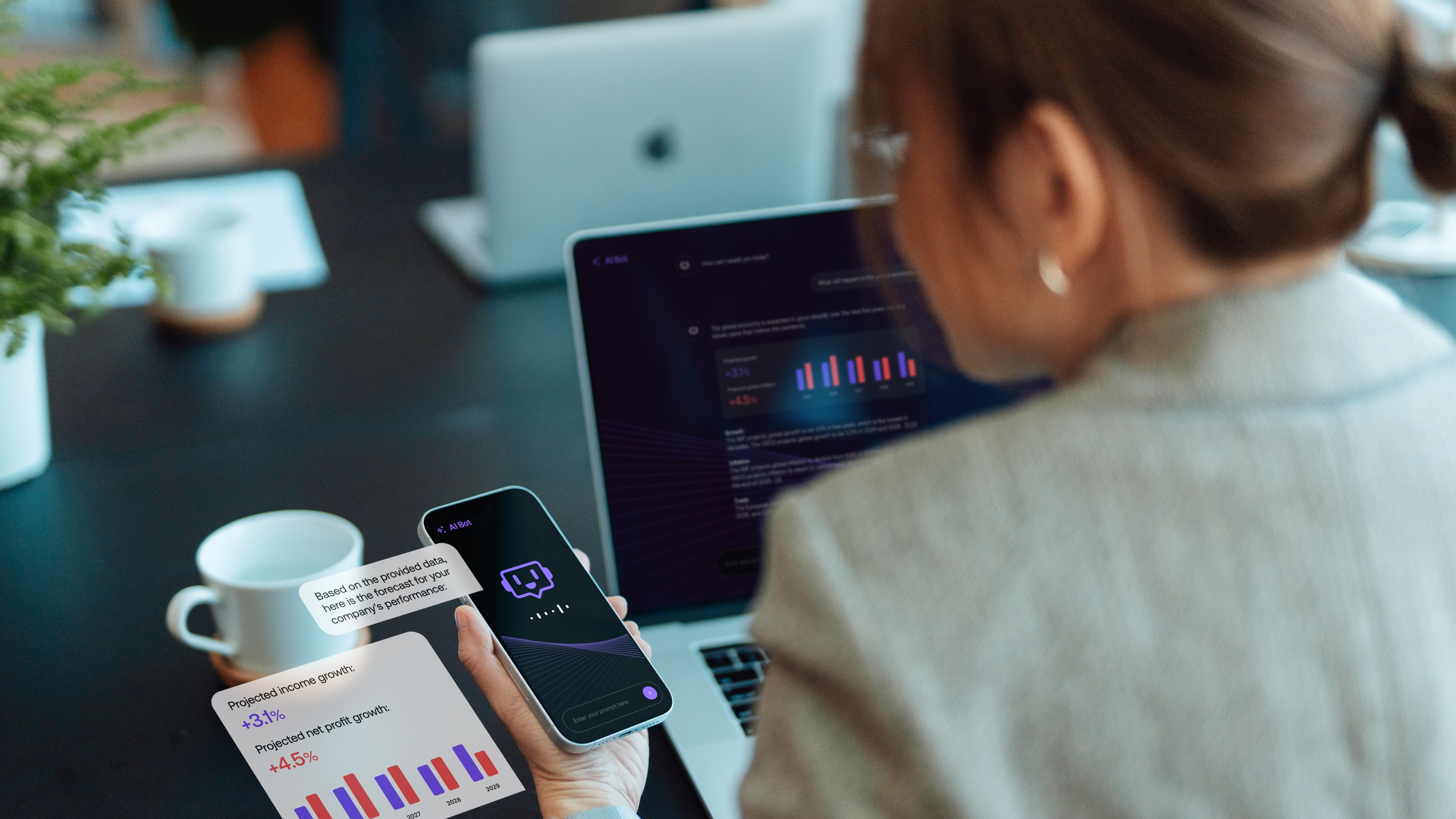
However, when employees improperly use AI — such as by inputting sensitive data without safeguards, relying on biased outputs or failing to oversee automated decisions — companies can face substantial civil liability.

Under such principles as vicarious liability, businesses are often held accountable for employee actions within the scope of employment.

In this article, we explore key areas of exposure, drawing on recent legal developments (as of February) and offer insights for mitigation.

Discrimination and bias: The forefront of AI litigation

One of the most prominent risks arises from AI-driven discrimination, with tools perpetuating biases in hiring, promotions or evaluations.

Employees might deploy AI screening software without auditing for fairness, leading to disparate impact claims under laws such as Title VII of the Civil Rights Act, the Age Discrimination in Employment Act or the Americans with Disabilities Act.

For instance, in the landmark Mobley v. Workday case (2024-2025), a plaintiff alleged that Workday's AI hiring platform discriminated against applicants based on age, race and disability, resulting in a certified collective action for applicants age 40 and older.

Similarly, the 2025 Harper v. Sirius XM Radio lawsuit claimed AI tools used proxies such as ZIP codes to exclude Black applicants, highlighting disparate treatment and impact.

Recent settlements, such as EEOC v. iTutorGroup (resolved in 2023 but influencing 2025 cases) underscore how automated rejections of older candidates can lead to hefty penalties, including $365,000 payouts. Businesses face damages, back pay and injunctions if employees neglect bias audits.

Privacy violations: Data mishandling in AI applications

Improper AI use can breach privacy laws when employees feed personal data into unsecured tools.

This exposes companies to claims under the California Consumer Privacy Act, General Data Protection Regulation or the Fair Credit Reporting Act. A groundbreaking 2026 lawsuit against Eightfold AI alleges the company's platform compiles applicant data from sources such as LinkedIn without consent, treating it as unregulated credit reports.

Employees inputting employee or customer information into public AI chatbots risk class-action suits for invasion of privacy or data misuse, with penalties reaching millions.

Emerging regulations, such as California's 2025 Civil Rights Council rules, expand liability by defining AI vendors as agents of employers, emphasizing the need for consent and security.

Intellectual property and defamation risks

Employees generating content via AI might infringe copyrights if outputs derive from protected materials, leading to secondary liability under the Copyright Act.

Additionally, AI-produced reports or communications containing falsehoods can spark defamation claims.

For example, if an employee publishes misleading AI-generated social media posts, businesses could face compensatory damages.

Negligence, contract breaches and deceptive practices

Negligence arises when faulty AI deployment causes harm, such as erroneous financial advice or operational errors, invoking product liability for defective tools.

Breach of contract occurs if AI fails to meet client standards, while deceptive practices under the FTC Act penalize misrepresenting AI capabilities — fines and refunds ensue.

Mitigating the threats

To shield against these liabilities, businesses must implement robust AI policies:

As AI litigation surges — evidenced by cases such as Eightfold and Mobley — proactive measures are essential. By fostering responsible use, companies can harness AI's potential while minimizing legal pitfalls.

In the next article, we will explore strategies companies can employ to insulate selected company assets from civil liability from unforeseen, unexpected lawsuit creditors and predators.

Related Content

This article was written by and presents the views of our contributing adviser, not the Kiplinger editorial staff. You can check adviser records with the SEC or with FINRA.

Sign up to read this article
Read news from 100’s of titles, curated specifically for you.
Already a member? Sign in here
Related Stories
Top stories on inkl right now
One subscription that gives you access to news from hundreds of sites
Already a member? Sign in here
Our Picks
Fourteen days free
Download the app
One app. One membership.
100+ trusted global sources.