Get all your news in one place.
100's of premium titles.
One app.
Start reading
Medical Daily
Medical Daily
Health
Joseph James

Doctors Across the Country Are Warning GLP-1 Users About "Ozempic Feet": What It Is and Who Is at Risk

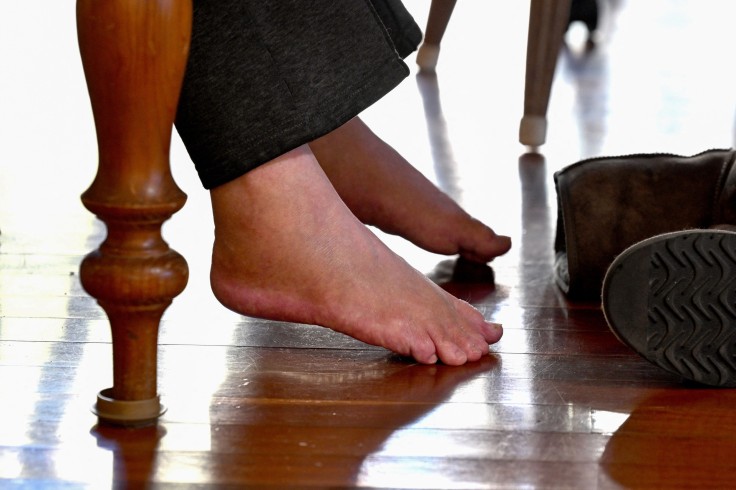
Podiatrists across the United States are seeing a new pattern in their exam rooms: patients on Ozempic, Wegovy, Mounjaro, or Zepbound coming in with feet that have suddenly become bonier, looser, and sometimes painful, a condition that is being called "Ozempic feet."

Doctors across the country have reported seeing patients whose significant weight loss has left their feet looking bonier, looser, or more deflated due to a reduction in fat tissue, according to a NewsNation report published July 11–12, 2026, that went viral nationally.

"Ozempic feet" is not listed among the official side effects of Ozempic, Wegovy, or any other GLP-1 medication. But that does not mean it is rare or imaginary — it means it is a consequence of rapid weight loss that clinicians and patients were not adequately prepared for when these drugs became widely prescribed.

"If weight loss is too rapid, the skin doesn't have time to adjust," said Dr. Claire Morrow, an orthopedic clinical specialist. "This can create loose or sagging skin on your feet, making it appear deflated."


Why This Matters

The fat pads on the human foot serve a specific physiological function: they cushion the bones, joints, and fascia with every step. The plantar fat pad on the ball and heel of the foot is particularly important — it absorbs impact forces that would otherwise be transmitted directly through bone. When that fat pad is significantly reduced, the mechanical protection it provides disappears.

According to data presented at the American Diabetes Association's 85th Scientific Sessions in 2025, the number of Americans using incretin-based therapies — the class that includes Ozempic and Wegovy — has increased nearly 600 percent in the last five years. With millions of patients now on these drugs, the podiatric consequences of rapid fat loss are surfacing at scale for the first time.

For most patients, the underlying weight loss is medically beneficial. Less body weight means less total mechanical load on the feet, joints, and spine over the long term. But the transition — particularly in patients who lose weight rapidly — can create new foot problems that emerge before the structural benefits fully materialize.


What We Know So Far

The complaints that podiatrists are seeing fall into three broad categories.

First, aesthetic and structural changes: the skin on the top of the foot starts to look loose, wrinkled, or saggy, and veins and tendons become more prominent than they were before significant weight loss.

Second, functional pain: heel pain, aching in the ball of the foot, and a burning sensation are among the symptoms being reported. Some patients describe a sensation of walking on pebbles in shoes that previously felt comfortable. This is a direct consequence of reduced fat pad cushioning, particularly in the heel and metatarsal heads.

Third, fit problems: feet change shape and even apparent size when significant weight is lost. When you carry significant extra weight for years, your foot structure adapts to that load — arches flatten, the plantar fascia stretches, and the fat pads compress. When 40, 60, or 100 pounds are lost, those structures do not snap back immediately. During the adjustment period, the foot is structurally different from the one shoes were originally fitted for — creating both pain and fit problems.

Some patients have also reported heel pain, aching, and a burning sensation in their feet, symptoms consistent with reduced plantar fat pad volume.


Where the Pattern Is Appearing

"Ozempic feet" is not a geographically concentrated phenomenon. Because GLP-1 medications are prescribed across all regions of the United States, podiatrists in virtually every major metro area are now reporting seeing patients with this presentation. The pattern is more common in patients who have experienced rapid weight loss — typically those who have lost 40 pounds or more in a relatively short period — rather than those losing weight gradually.

Major podiatry practices in New York, Los Angeles, Chicago, Houston, Dallas, Atlanta, Miami, Philadelphia, and other cities have all reported patient presentations consistent with "Ozempic feet" in 2026.


What Doctors and Experts Say

Dr. Dana Figura, a board-certified podiatrist who writes and creates content as footdocdana, described the pattern clearly in a widely-shared analysis: "It's not officially listed as a side effect on the medication labels, but it's showing up consistently enough that podiatrists across the country are now seeing it weekly." She noted that the underlying weight loss is a tremendous benefit for feet over the long term — less weight means less stress on every joint and tissue below the waist — but that the transition requires proactive management.

Dr. Claire Morrow, an orthopedic clinical specialist, told NewsNation that rapid weight loss causes the skin on the feet to appear loose or deflated because the skin cannot adjust quickly enough to the reduction in underlying fat volume. She noted the changes are most noticeable on the tops of the feet, where veins and tendons can become prominently visible.

It is worth noting that a March 2026 study by Langer and colleagues published in Cell Reports Medicine found that weight loss on GLP-1 medications does not result in a disproportionate loss of muscle mass or function, particularly when patients maintain resistance training. This is a clinically important distinction: "Ozempic feet" is primarily a fat redistribution and fat loss phenomenon, not a muscle loss phenomenon.


What the Evidence Shows and What It Does Not

MedicalDaily Evidence Check

  • Is "Ozempic feet" on the official GLP-1 side effect labels? No. It is not listed as a recognized side effect by the FDA, Novo Nordisk, or Eli Lilly for any current GLP-1 product.
  • Is it confirmed as caused by GLP-1 drugs specifically? No. It is a consequence of rapid weight loss from any cause — GLP-1 medications are the most prominent current driver due to their widespread use and the speed of weight loss they produce.
  • Does it affect everyone on GLP-1 drugs? No. Patients with more pronounced or rapid weight loss — particularly those losing 40 pounds or more — appear more susceptible.
  • Is the underlying weight loss still beneficial? For most patients, yes. Reduced body weight reduces long-term mechanical load on feet, joints, and the spine.
  • Is there published peer-reviewed clinical literature specifically on "Ozempic feet" ? As of July 2026, no peer-reviewed study has specifically characterized "Ozempic feet" as a clinical entity. The evidence base consists of clinical observations from podiatrists, patient reports, and expert commentary. This should be understood as emerging clinical observation, not established research.

Who Is Most at Risk?

  • GLP-1 users who have lost 40 pounds or more, particularly those who lost weight rapidly over several months
  • Patients with pre-existing conditions that thin fat pads — including those with diabetes, which is itself associated with reduced plantar fat pad volume — who then experience additional fat loss from GLP-1 medications
  • People who are on their feet for extended periods — including nurses, teachers, retail workers, restaurant staff, and anyone with a standing-dominant occupation — who may experience pain earlier due to higher mechanical demand
  • Patients who have not updated their footwear since beginning GLP-1 medication and may now be wearing shoes that no longer fit correctly

Symptoms and Warning Signs to Watch For

GLP-1 users who experience the following should make an appointment with a podiatrist:

  • New foot pain, particularly in the heel or ball of the foot, that was not present before beginning the medication
  • A sensation of walking on pebbles or stones in shoes that previously felt comfortable
  • Visible changes to the top of the foot — prominently visible veins, tendons, or bones where padding previously obscured them
  • Skin on the feet that looks or feels loose, wrinkled, or deflated
  • Shoes that no longer fit correctly, particularly in width

These symptoms do not require emergency care. But they should not be attributed simply to aging or ignored. A podiatry evaluation can confirm whether fat pad atrophy is the cause and guide appropriate interventions.


What You Can Do Now

  • If you are on a GLP-1 medication and have recently lost significant weight, pay attention to any foot changes and report them to your prescribing physician or a podiatrist.
  • Wear cushioning insoles or gel heel pads if you are experiencing foot pain. Off-the-shelf orthotic insoles can partially compensate for reduced plantar fat pad volume. Custom orthotics, prescribed by a podiatrist, provide a more complete solution for severe cases.
  • Get your feet re-measured before buying new footwear. Significant weight loss frequently changes shoe size and shape requirements.
  • Maintain resistance training if possible. March 2026 research suggests this helps preserve muscle mass and may moderate some of the structural changes that occur during rapid weight loss.
  • Do not stop taking your GLP-1 medication because of foot changes without consulting your prescribing physician. The overall metabolic, cardiovascular, and weight-related benefits of these medications are well-established and should be weighed carefully against manageable side effects.
  • See a board-certified podiatrist — not just a general practitioner — for an evaluation if foot pain is affecting your daily activity or quality of life.

Cost and Access: What Patients Should Know

A podiatry consultation is typically covered by most commercial insurance plans, Medicare, and Medicaid for patients with foot pain — particularly those with diabetes, for whom regular foot care is a covered benefit. Out-of-pocket costs for an uninsured podiatry visit vary by market but typically range from $75 to $200 for an initial consultation.

Custom orthotics can be covered by insurance when medically necessary, though prior authorization is often required. Off-the-shelf cushioning insoles — widely available at pharmacies and shoe stores for $15 to $40 — provide a lower-cost entry point for patients managing mild symptoms before a podiatry appointment.


What Happens Next

"Ozempic feet" is currently a clinical observation pattern, not a formal medical diagnosis or a recognized FDA-listed side effect. As more patients on long-term GLP-1 therapy are followed over time, prospective research is expected to characterize the prevalence, severity, and progression of foot fat pad atrophy in this population. Professional organizations, including the American Podiatric Medical Association, are expected to issue clinical guidance for practitioners managing GLP-1 users.

MedicalDaily will track new research on this topic as it is published and will report on any FDA label changes or official safety communications related to foot health in GLP-1 users.


The Bottom Line

GLP-1 drugs have transformed obesity treatment for millions of Americans, but the rapid fat loss they produce can create structural changes in the feet that most patients and even some clinicians were not anticipating. "Ozempic feet" — the colloquial term for bony, deflated, sometimes painful feet caused by fat pad loss — is showing up in podiatry practices across the country. The solution is not to stop the medication. The solution is cushioning, proper footwear, re-fitting shoes, and podiatric evaluation for anyone with persistent pain. The underlying weight loss is genuinely good for feet over the long term. Managing the transition is the challenge.

Sign up to read this article
Read news from 100's of titles, curated specifically for you.
Already a member? Sign in here
Related Stories
Top stories on inkl right now
One subscription that gives you access to news from hundreds of sites
Already a member? Sign in here
Our Picks
Fourteen days free
Download the app
One app. One membership.
100+ trusted global sources.