
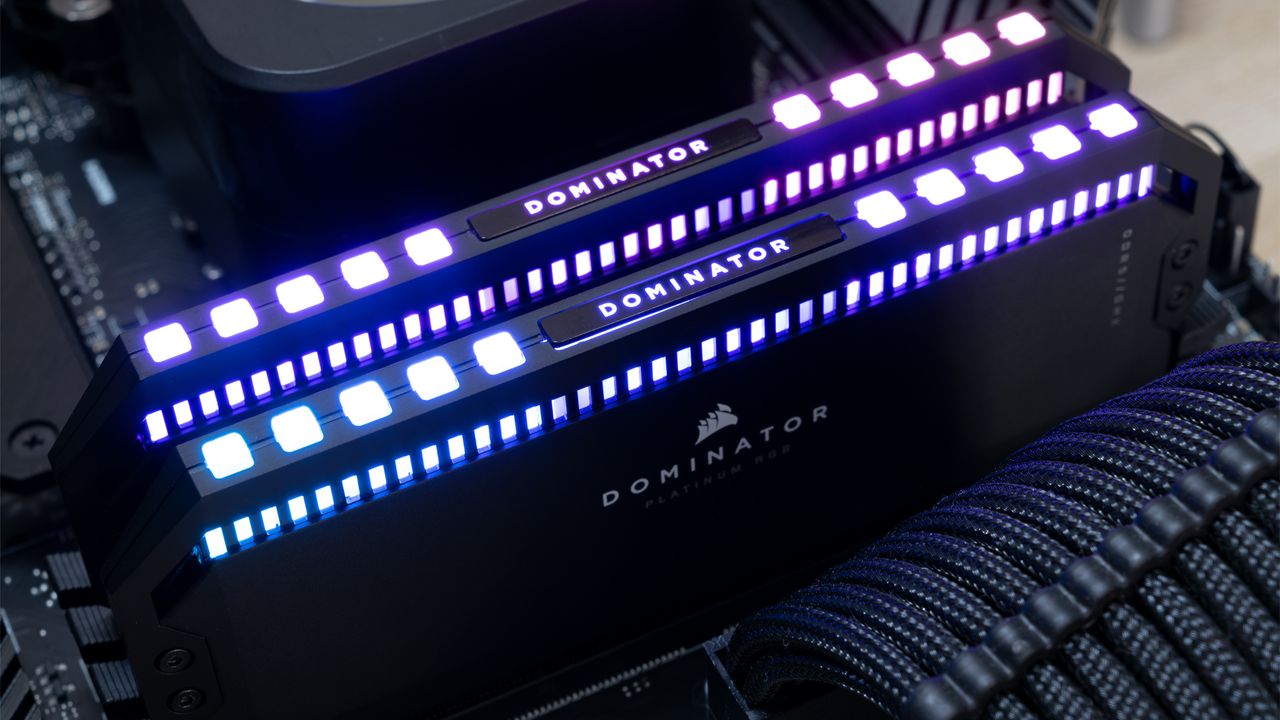
If you've ever shopped for the best RAM, you've seen speeds such as DDR4-3600 or DDR4-6400, and even higher. Those numbers represent the rated speed, and they're the headline feature that justifies premium pricing. However, these speeds aren't the default operating mode of the sticks—they're overclocking profiles that require manual enablement in the BIOS. Your CPU does not officially support them, and not every system can run its memory subsystem at those speeds with flawless stability. That gap between marketing and reality is what led Corsair to a class-action lawsuit in 2022.
The complaint, titled "McKinney et al. v. Corsair Gaming, Inc.," argued that Corsair's Vengeance and Dominator DDR4/DDR5 modules were sold with the advertised speeds printed front-and-center without clearly disclosing that the out-of-box default is the JEDEC standard (DDR4-2133 for DDR4, and DDR5-4800 for DDR5). While most systems based on enthusiast-grade DIY hardware are capable of achieving significant memory overclocks, the facts remain that the advertised numbers require firmware tweaking, and results vary based on the CPU, motherboard, and luck of the silicon lottery.














