
Carbon monoxide and other greenhouse gases are invisible, but photographers are capturing the effects of a warming planet in a way that’s impossible to ignore. As several regions struggle with record-breaking heat, drought, and wildfires, photojournalists are turning their lenses to document the very visible effects of a global issue with an invisible cause.
I’m a photographer and a journalist, and as I was looking through the top news photos of this week, I couldn’t help but notice a pattern. Photojournalists are capturing the effects of a warming planet in a way that turns an invisible cause into a very tangible photograph – and it echoes the top photos from last week as wildfire smoke created eerie photographs with an apocalyptic feel.
These are the best photos from photojournalists that I’ve spotted this week.
A striking image of a melting glacier
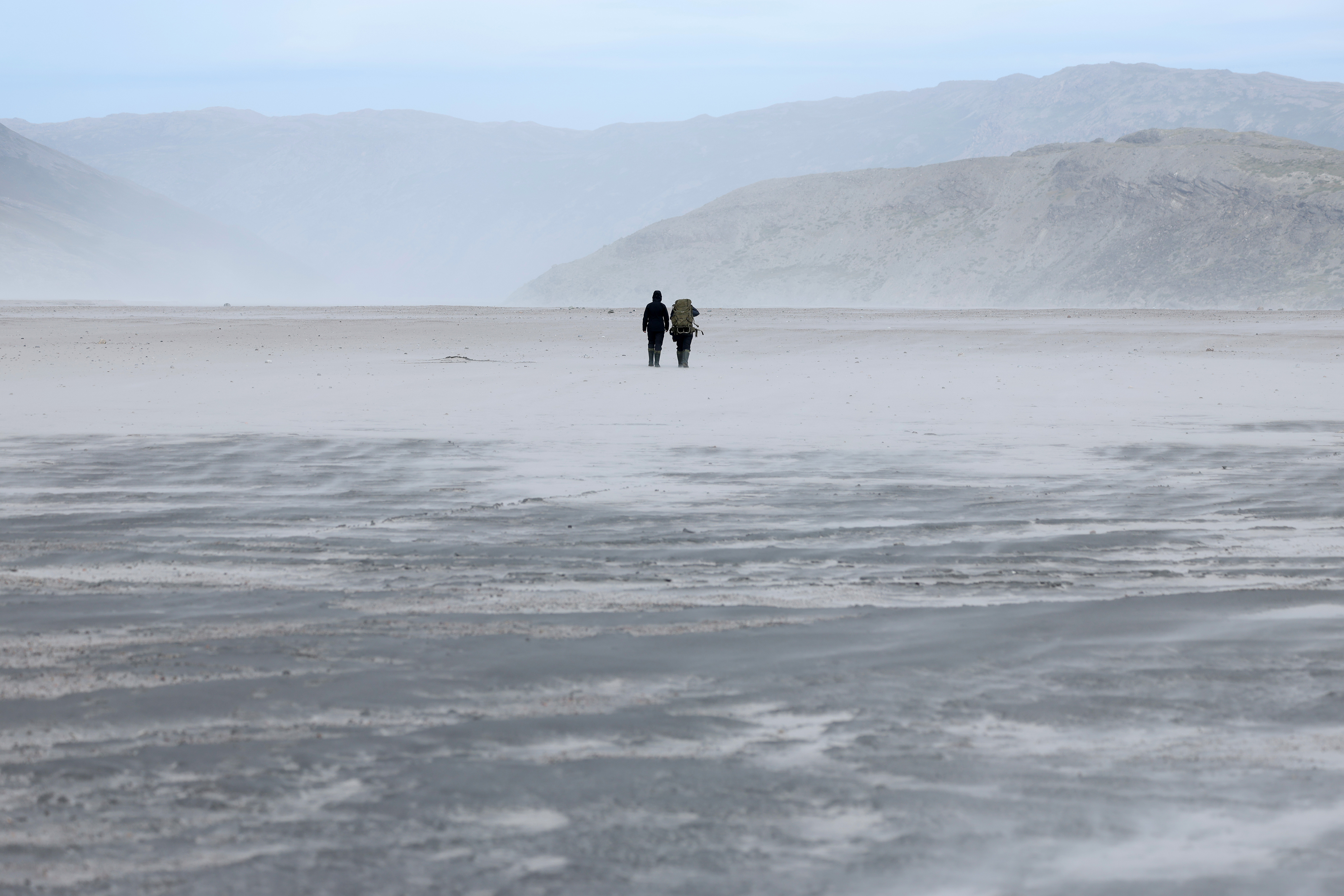
This photograph by Sean Gallup shows two researchers walking across the sediment left by a melting glacier, the Isunnguata Sermija in Greenland. A group of researchers began a six-week campout where the scientists will document the changes in the Greenland Ice Sheet.
The photograph is an excellent example of powerful framing that tells a story. The low angle highlights the sediment with the glacier misted in the background. Including two researchers in the photo rather than just an empty but changing landscape gives the photograph a human element.
Firefighters silhouetted by a wildfire in France
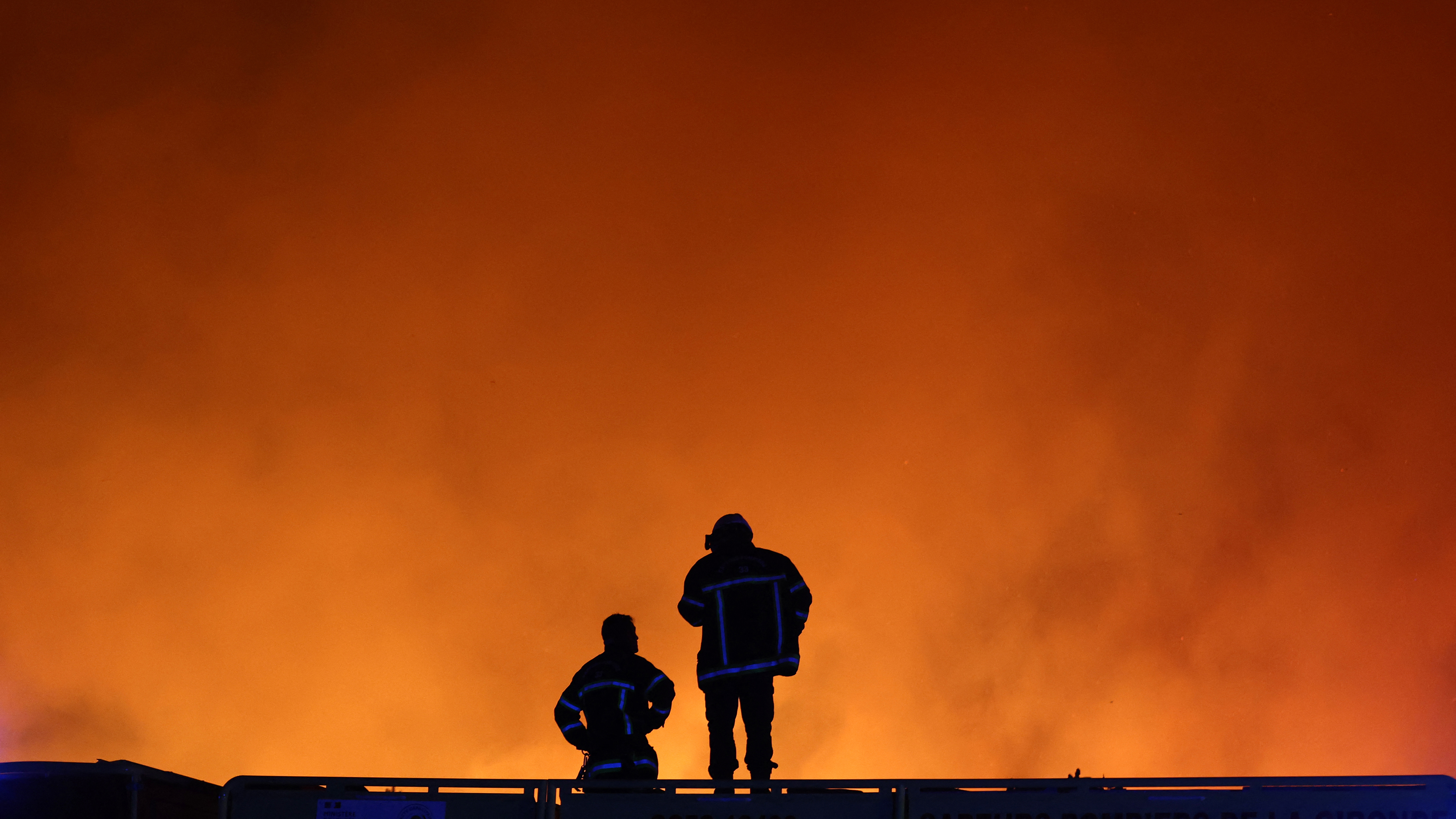
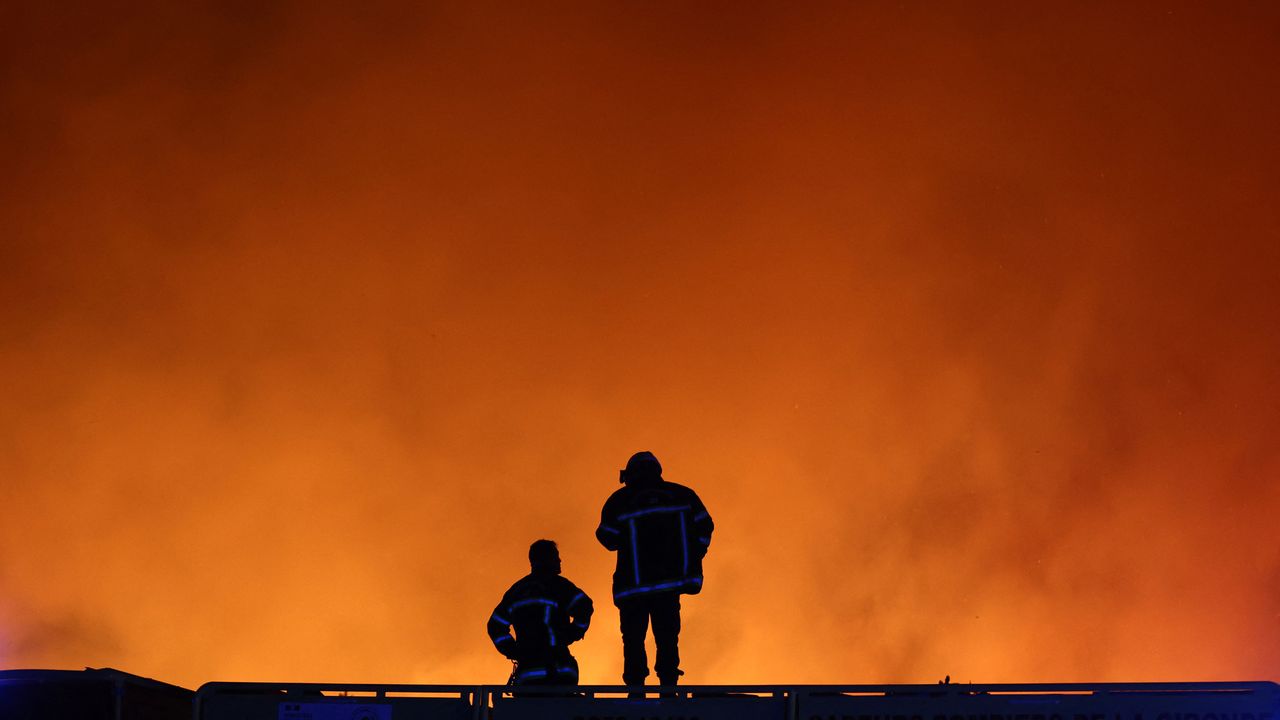
This photograph by Romain Perrocheau stopped me in my tracks. I can’t see the firefighter’s faces, but I can feel the exhaustion radiating off them in their stance alone.
The photograph is a powerful example of what a minimal, tightly-framed photograph can do. The pattern of the bright orange smoke instantly conveys the subject, yet leaves space for the eye to go immediately to the firefighter’s stance in the middle of the composition.
An empty river bed
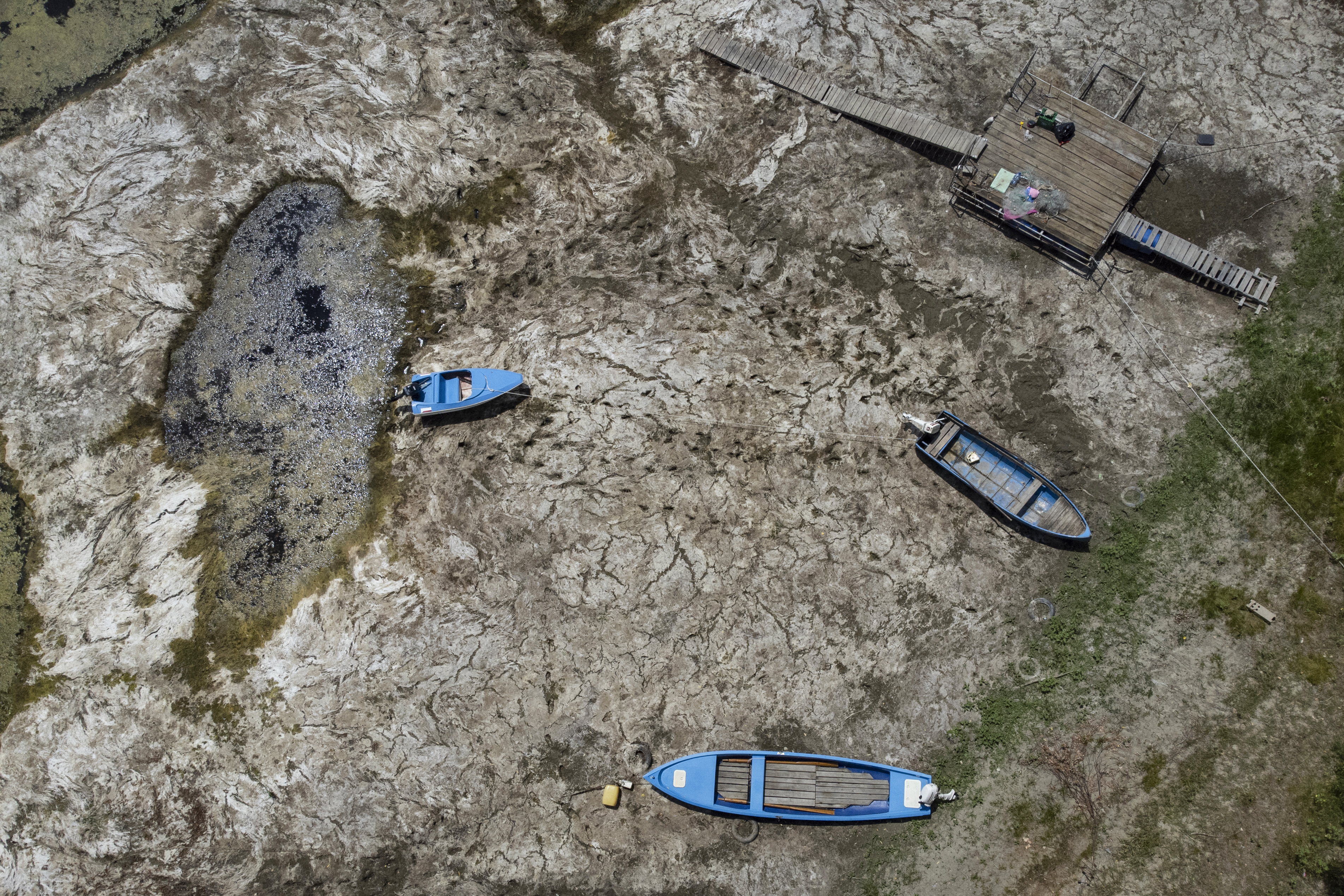
In this photograph by Nikolay Doychinov, boats and a bridge lie in the dry river bed of the Danube River between Bulgaria and Romania.
The aerial view of the river helps demonstrate the scale of the issue, as record temperatures had led to low water levels. But it’s color that creates a strong composition here. All three boats have the same blue that helps them stand out against the dull colors of the dried riverbed.
A perfectly-framed shot of rain in NYC
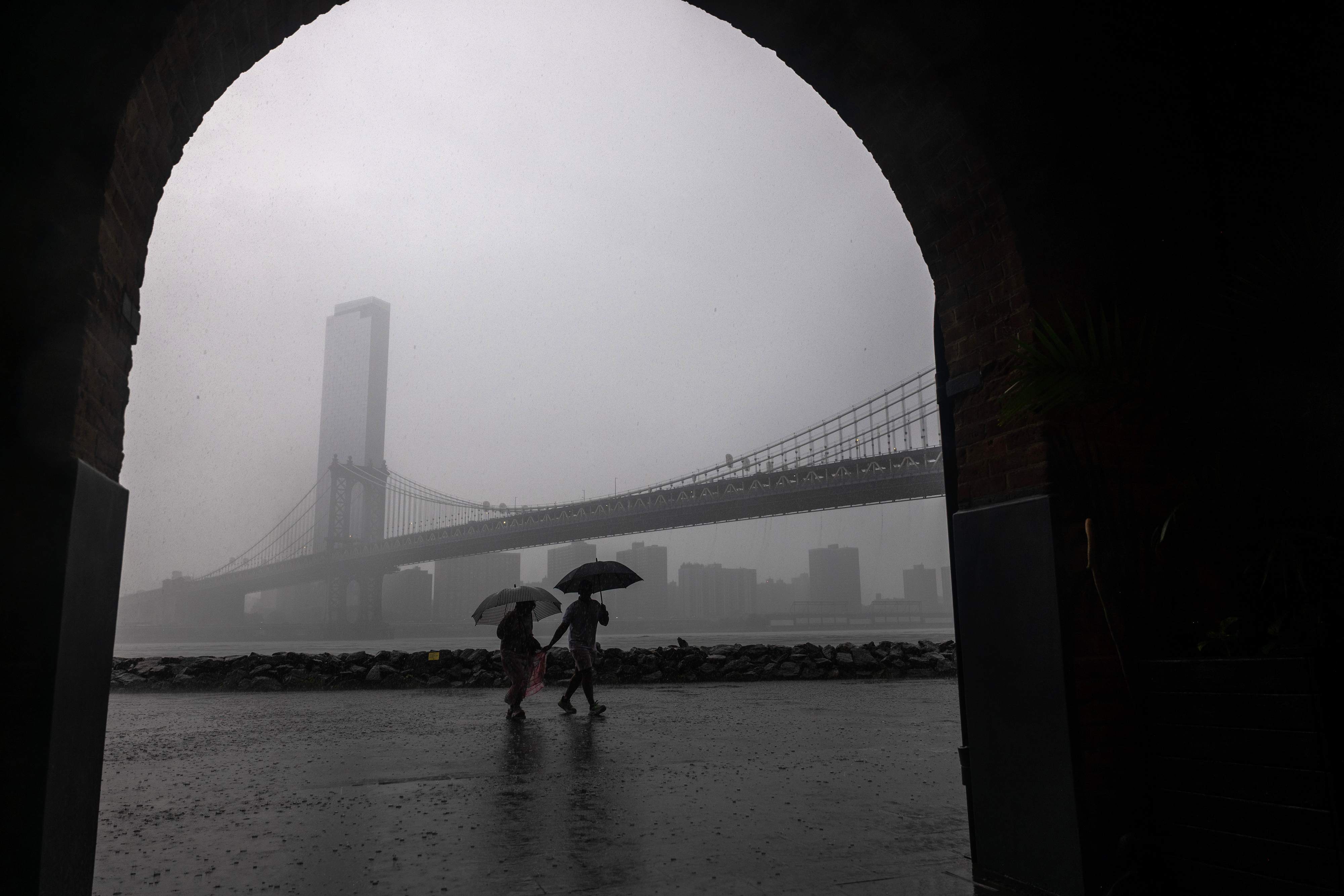
According to the United Nations, climate change is exacerbating water-related crises like both drought and flooding. This photograph was taken while New York and New Jersey were under a flood watch. The image is a color shot (as evidenced by the red in the clothing and the yellow sign on the rocks), but the weather and moody exposure make this image feel nearly like a black-and-white photograph.
Photographer Spencer Platt could teach a class on composition with just this image. The archway uses the frame-within-a-frame technique that immediately draws the eye to the subject. Placing the couple holding umbrellas against the gray skyline rather than a dark background helps the subject stand out. Then, there are even leading lines as the Brooklyn Bridge further draws the eye into the photo.
A striking night shot
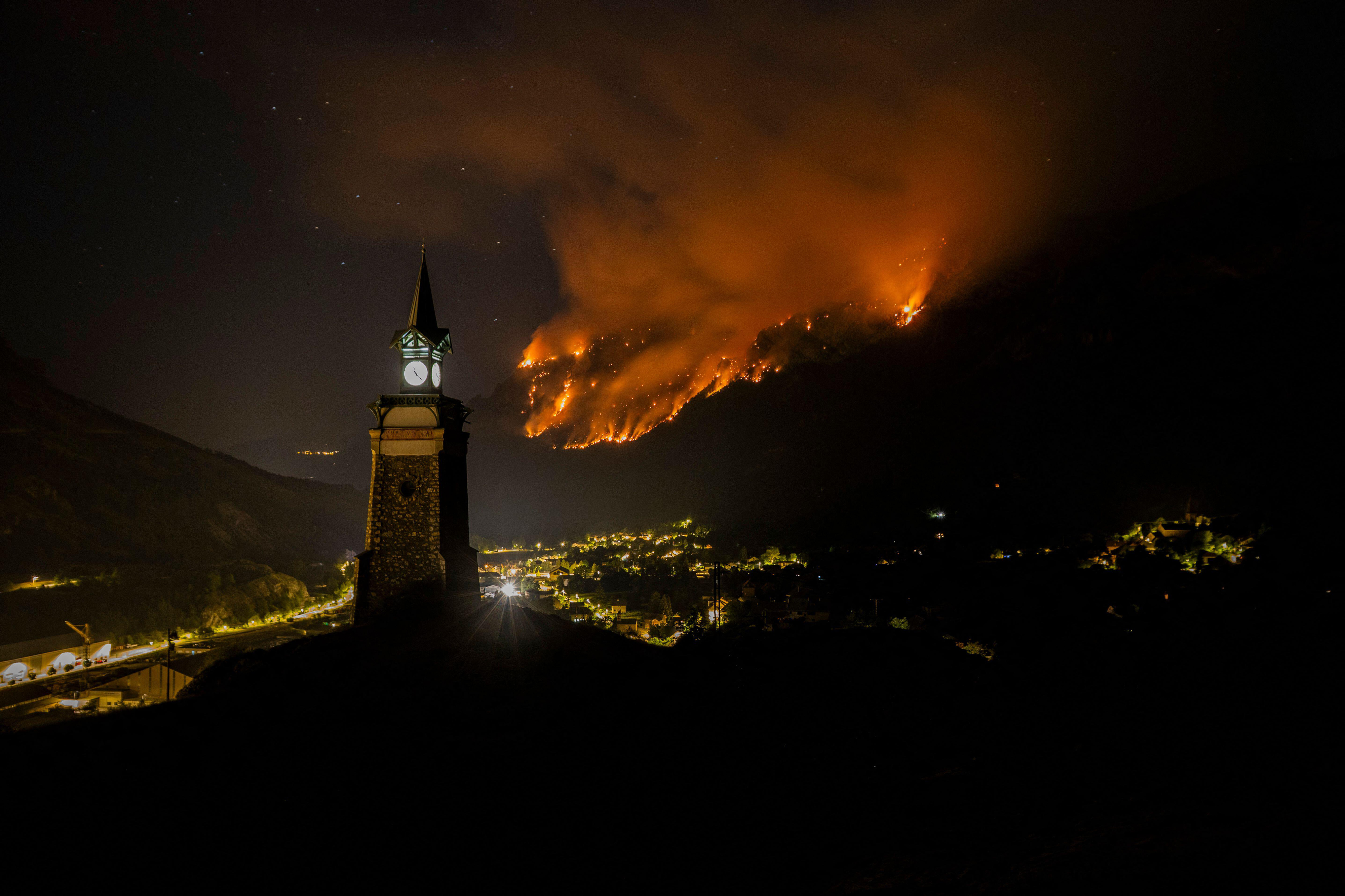
There are three light sources in this image – manmade lights, stars, and a wildfire. The photograph by Thibaut Durand of Abaca Press depicts the historic Horloge des Hermes clock tower and the lights of the town of L'Argentière-la-Bessée, France, as a wildfire burns on the French Alps in the background.
As a photographer, I know just how difficult it is to capture astrophotography mixed with manmade lights, as artificial lights tend to wash out the stars. Not only did Durand capture both, but a wildfire as well. The sparks coming from the wildfire almost feel like additional stars.
Photographs have power, and these five photos demonstrate how a good photograph can draw attention to key global issues.
You may also like
Browse the best mirrorless cameras, or share your work in the top photo contests to enter this month.