Fuel prices in Canberra surged faster and higher than anywhere else in Australia last week, locking in the capital as the nation's most expensive city for fuel.
The price of diesel and unleaded petrol both leapt about 10 cents per litre in the week to Friday, the competition watchdog's fuel monitor report shows, following an escalation of conflicts in the Middle East.

Despite having similar wholesale prices to Sydney and Melbourne, Canberra's prices at the pump outstripped traditionally more expensive remote markets like Darwin and dozens of towns in regional NSW.
The Australian Competition and Consumer Commission's (ACCC) weekly fuel price monitor shows Canberra fuel prices have been routinely among Australia's most expensive since the US first launched military strikes against Iran in February.
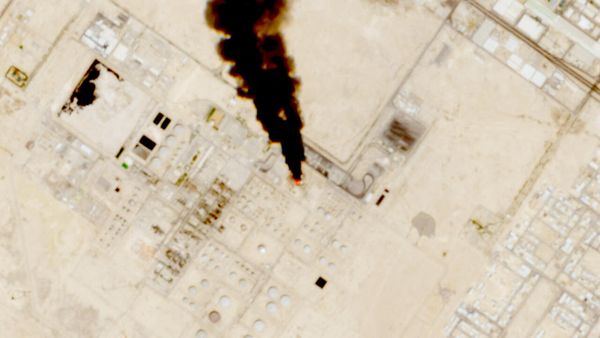
Oil prices have nearly doubled in the months since, spiking again last week as Yemen's Houthi rebels seized key ports in the Red Sea approach to the Suez Canal.
But road industry leaders say poor competition amongst the bush capital's service stations - driven by a lack of independent outlets - has made Canberra an oddity amongst Australia's metropolitan fuel markets.
"Canberra is a strange market," said Rowan Lee, CEO of service station peak body the Australasian Convenience and Petroleum Marketers Association (ACAPMA).
"Prices tend to gather around a similar 1 or 2 cents here and there, but you don't get the big differences like you do in the eastern seaboard capitals where you might see 15 cents per litre difference."
Last week's ACCC report showed average fuel prices in Canberra sitting at 217 cents per litre, while diesel topped out at a whopping 271 cents per litre, both up 10 cents on the Friday prior.
Analysis of the reports shows Canberra has also been the most expensive destination for diesel for three weeks straight, exceeding prices in nearby markets like Sydney by at least 10 cents per litre, despite near identical wholesale prices.
NRMA spokesperson Peter Khoury was blunt in his diagnosis.
"The reason for that is the lack of competition," he said.
"There just isn't [sic] enough service stations competing on price in Canberra and that is, I know, really frustrating for Canberrans."
Planning laws restricting the location of Canberra servos to urban hubs rather than along major roads have long been credited as keeping a lid on the city's fuel market.
Federal Liberal Senate candidate Nick Tyrrell believes the problem has gotten so bad he has written to the competition watchdog calling for it to intervene.
"When there's only a limited number of sites for petrol stations due to our planning laws in the ACT, the major petrol stations have the money to be able to buy up those sites and keep the little guys out," said Mr Tyrrell.
"I would like the ACCC to have a look at the settings that would enable more competition in the ACT."
ACAPMA's Rowan Lee likewise said the lack of independent fuel retailers had distorted prices compared to other eastern capital cities.
"Land is expensive so the underlying cost structure for everyone is high," he said. "You can have the major [retailers] there, but the independents in every other major capital drive down the price."
Peak trucking industry organisation NatRoads' chief executive Warren Clark warned the high price of diesel risked an expensive Christmas for Canberrans without government intervention.
"When diesel stays high, those costs inevitably work their way through the supply chain and eventually hit families at the checkout," Mr Clark said.
"That pressure will be even more acute across Canberra and surrounding regional communities, where goods often have further to travel and there are fewer options for getting them where they need to go," he said.
He called on the federal government to drop the heavy vehicle road user charge to zero until January, repeating discounts introduced between April and August after the Middle East conflict first began.
Energy Minister Chris Bowen on Tuesday said discounts to the road user charge and fuel excise tax had been temporary, but did not rule out a repeat of the measure if the conflict in the Middle East continues.