Canada has broken with Washington, unveiling C$100 million (about $71 million) in new aid for Palestinians and pledging to bar goods from Israeli settlements, a stance that puts Prime Minister Mark Carney at odds with President Donald Trump.
The pledge, announced on Tuesday on the sidelines of the United Nations General Assembly in New York, widens a rift between Ottawa and its closest ally over Israel's war in Gaza and its settlement expansion in the occupied West Bank.
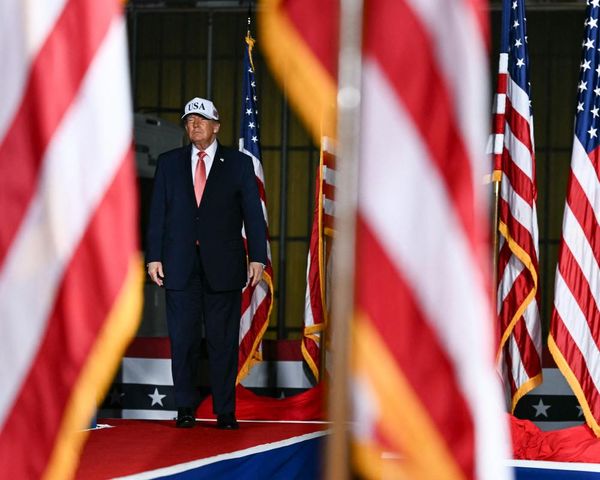
US Secretary of State Marco Rubio has already ruled out joining the settlement import ban, and Trump has stayed publicly silent, leaving Rubio to speak for an administration that has quietly stepped back from the two-state goal.
What Canada Is Funding
Carney said C$80 million (about $57 million) of the new money is set aside for humanitarian relief, with the remaining C$20 million (about $14 million) going to development and security work, including police training in the West Bank.
He pointed to the crisis in Gaza, where aid access has been severely restricted, as the reason for stepping up support. The package lifts Canada's total for Palestinians to more than C$600 million (about $430 million) since the war began in October 2023.
The Settlement Import Ban
Two weeks earlier, Canada joined France and the United Kingdom in pledging to bar imports from Israeli settlements in the West Bank, part of a coordinated push by about a dozen governments.
Carney linked the move to Israel's E1 settlement plan, which he described as a direct threat to peace. Israel advanced the plan after moving in mid-August to tender 1,234 homes in a corridor critics say would split the West Bank and cut off a future Palestinian state.
New documents tabled in Canada's Parliament this month detailed damage to dozens of Canadian-funded aid projects caused by Israeli military operations and settlers, hardening Ottawa's resolve.
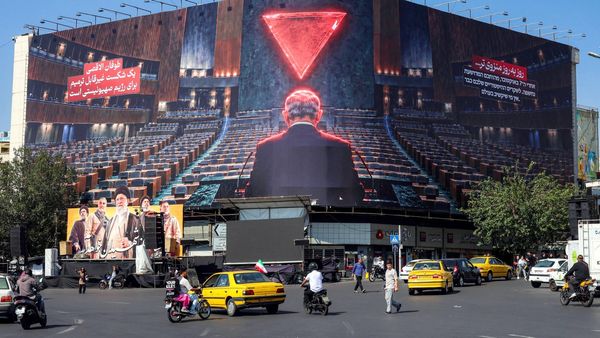
Israel has rejected the pressure. Prime Minister Benjamin Netanyahu has rejected a Palestinian state and backed continued settlement construction, and Israel has already retaliated against the ban by ordering the closure of Britain's consulate in East Jerusalem.
Where Washington Stands
The divide runs deeper than one funding round. Rubio said the US would not follow its allies and warned against fuelling unrest in the West Bank 'at a very tenuous time', casting the ban as a risk to fragile Gaza diplomacy rather than a step toward peace.
Reuters reported this week that US officials in Washington and Jerusalem drafted a statement condemning the Canadian, French, and British ban but never released it, a sign of how carefully the White House is treading.
What It Means for the US
Canada was the first G7 country to recognise Palestinian statehood, acting alongside Britain and Australia, leaving Washington isolated among several major Western capitals on the issue.
Ottawa recognised the State of Palestine a year ago over US objections, and Trump warned then that the decision would make a trade deal far harder to reach. Those talks have since stalled.
The aid and the planned import ban now widen Canada's break with Washington on Israel and Palestine, testing how far America's partners will go on their own.