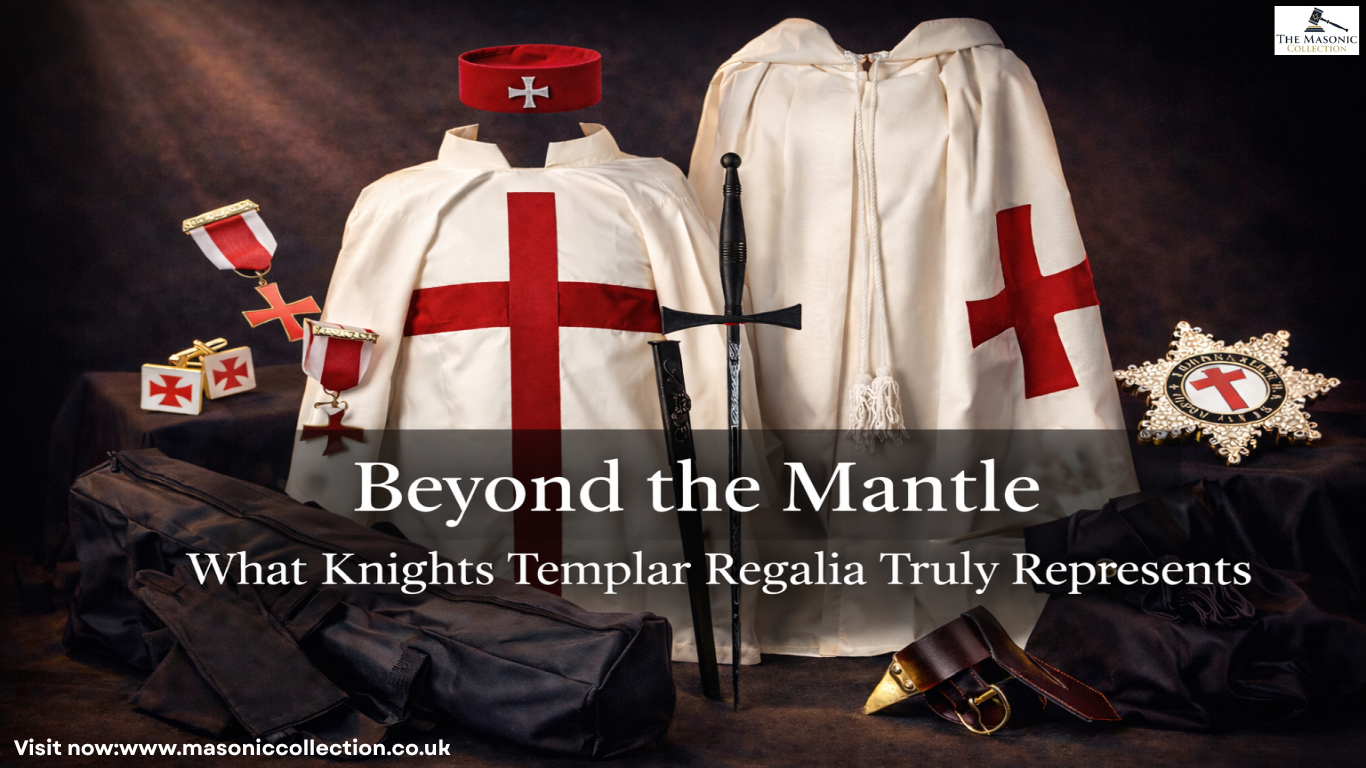
Knights Templar regalia makes an impression the moment it’s seen. Not because it draws attention to itself, but because it carries a sense of purpose that’s instantly recognisable to those who understand the tradition.
Within Knights Templar Freemasonry, regalia isn’t viewed as decoration or formality. It’s seen as proof. Proof of commitment, progression, and shared responsibility. For many people, this is where the character of the order becomes visible, not through explanation, but through how its symbols are worn and respected.
If you’ve ever asked what the Knights Templar, not in a historical sense but in a living, present one, the answer often shows up in how regalia is worn and respected.
Where Meaning Begins: Origins and Order
To understand why regalia carries such weight, it helps to look briefly at the Knights Templar's history without drifting into myth.
The knight templar order was structured with a purpose from the very beginning. Roles were clearly defined, responsibility was well understood, and visual distinction helped reduce uncertainty while building trust. This wasn’t about status or display. It was about making sure the order functioned smoothly and reliably.
When these ideas moved into the Knights Templar freemasonry, the principle stayed intact. Knights Templar regalia became a practical way to show responsibility without explanation. You could see where someone stood and what they had taken on the moment they entered the room.
Details mattered then, just as they do now. Items such as Knights Templar Breast Stars and Knights Templar Collar Jewels weren’t decorative additions. They were clear visual markers of role, progression, and accountability within the order.
People often repeat the question What are the Knights Templar, expecting something mysterious. Knights Templar history tells a simpler story, one built on practical systems, shared values, and visible accountability.
That foundation still shapes everything that comes after.
Why Brotherhood Comes Before Titles in Knights Templar Freemasonry
This is where modern misunderstanding creeps in.
Within the Knights Templar freemasonry, titles exist, but they don’t define a person on their own. Brotherhood does. A freemason knight templar is recognised through consistency and conduct long before rank is considered.
Here’s how that mindset shows up in practice:
- Responsibility is earned, not assumed
- Rank reflects service, not seniority alone
- Recognition follows contribution
- Respect is observed, not announced
That’s why asking what the knight’s templar is only in terms of hierarchy misses the heart of it. Knights Templar history shows that trust mattered more than display.
A Knight Templar Mason doesn’t need to prove anything loudly. The structure does that quietly.
Symbols That Say Enough on Their Own
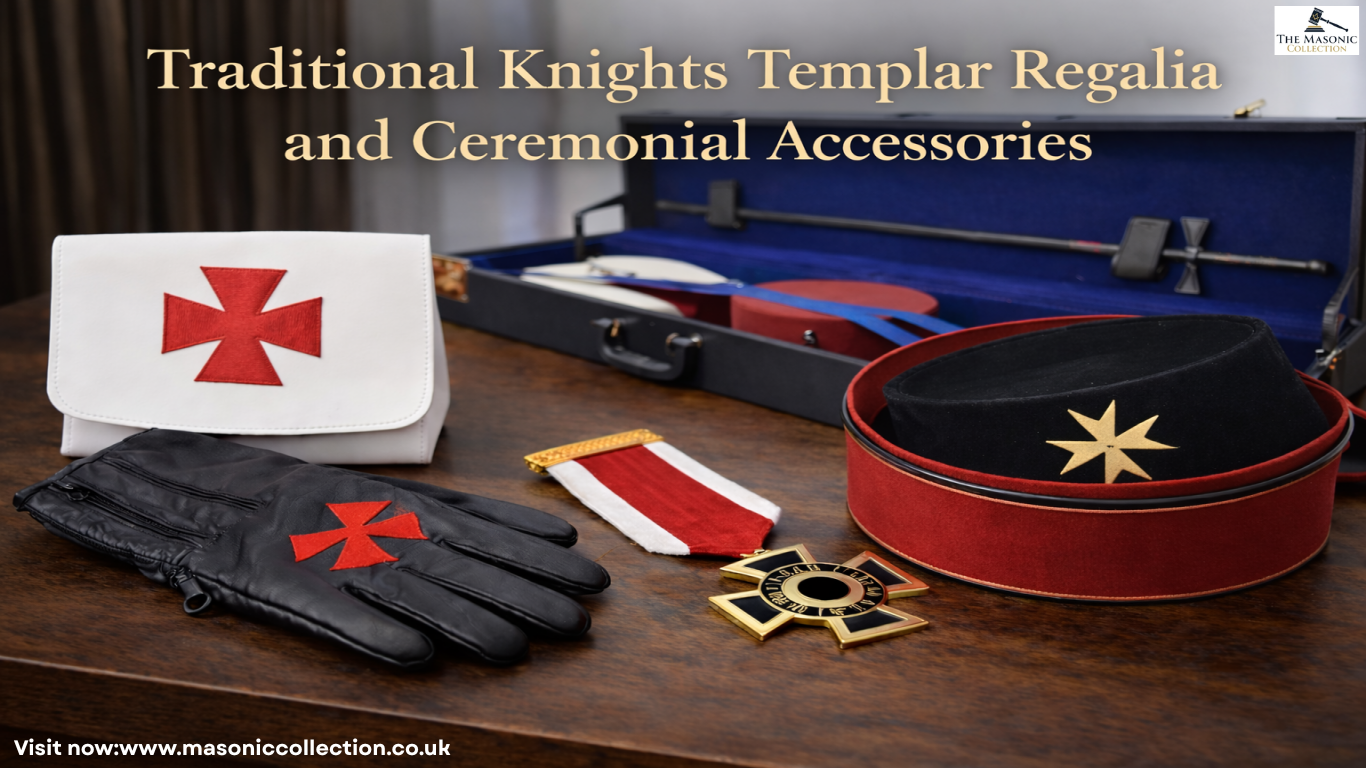
Symbols work because they don’t overexplain.
Knights Templar symbols were never meant to be decorative filler. They exist to communicate shared understanding among people who already know what they mean. That’s why they remain effective.
The Knights Templar cross sits at the centre of this language. It represents duty, faith, and obligation rather than authority. When placed correctly, it reflects commitment to shared values rather than personal ambition.
People outside the tradition still ask what the Knights Templar are trying to express through these visuals. Inside the order, the answer is obvious; it reflects continuity and commitment within the order.
Within Knights Templar Freemasonry, the Knights Templar symbols quietly tell a story of progress without turning the moment into theatre.
When Regalia Moves from Symbol to Statement
This is where structure changes again.
Knights Templar regalia isn’t worn to impress. It’s meant to be understood. The way it’s assembled, worn, and maintained matters just as much as what it represents.
Within the Knights Templar Freemasonry, regalia signals responsibility before recognition. A new piece appears when someone has stepped forward, not just when time has passed.
You see this most clearly through:
- Mantles that reflect role and responsibility
- Collars that mark progression within the Knight Templar Order
- Aprons that connect modern practice to the Knights Templar history
- Insignia that reinforces identity without explanation
The Knights Templar cross appears again here, reinforcing commitment rather than rank.
This is why many members choose properly constructed items such as the Knights Templar (KT) Full Regalia Pack, the Knights Templar Tunic, and traditional Knight Templar Mantles from the Masonic Collection, where historical accuracy, correct symbolism, and proper construction are treated as essential rather than optional.
Cheap shortcuts don’t just look wrong. They dilute the meaning.
What Does Rank Really Mean in Knights Templar Freemasonry?
Rank does exist. It just behaves differently here.
Within the Knight Templar order, rank reflects trust earned over time. In Knights Templar freemasonry, it’s linked to reliability and service, not volume or visibility.
This distinction matters.
Ask again what the Knights Templar are, and you’ll see that the structure supports values rather than replacing them. Knights Templar history makes this clear. Leadership meant stewardship, not dominance.
When rank appears in regalia, it acts as a reminder to the wearer first. Recognition for others comes second.
That’s how balance is maintained.
The Modern Freemason Knight Templar
Today’s Freemason Knight Templar lives in a fast-moving world, but the expectations haven’t changed as much as people think.
Within the masonic knights' templar practice, regalia still anchors identity. It creates continuity in a world that rarely slows down.
Modern members often balance tradition with practicality. Wearing Knights Templar regalia today isn’t about nostalgia. It’s about alignment.
Products such as Knights Templar Sashes, embroidered Knight Templar Mantles, and complete Knights Templar Regalia Sets remain practical markers of identity when sourced from Masonic Collection, where correct construction and respect for Knights Templar symbols take priority over decorative imitation.
Why the Details Refuse to Fade
Here’s the reality.
Details matter because people continue to care.
Knights Templar symbols still carry meaning because they haven’t been diluted. The Knights Templar cross still signals belonging because it’s protected from misuse. Knights Templar regalia still reflects honour because members insist on accuracy.
Ask one last time what the Knights Templar are, and the answer isn’t hidden in legend. It’s visible in practice.
Consistency defines the tradition.
Explore Knights Templar regalia to see why this consistency allows Knights Templar Freemasonry to remain grounded today, and why members invest in correct regalia that reflects rank, honour, and true Masonic identity. Many turn to established sources such as www.masoniccollection.co.uk to ensure every detail aligns with recognised Knights Templar practice, from gloves and caps to insignia and accessories.