
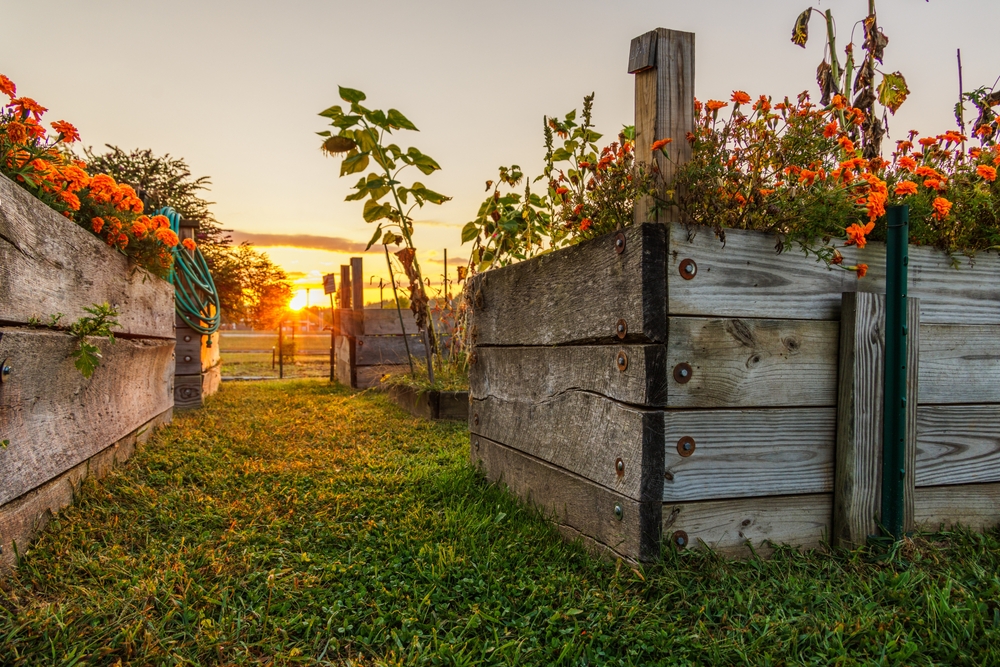
A $25 garden bed sounds almost too good to be true, but a small growing space really can help cut grocery costs when gardeners choose the right crops and avoid expensive mistakes. A handful of seeds, some soil, and a little patience can turn a simple corner of the yard into a tiny food-producing machine.
The catch? A garden bed does not magically print free vegetables. Like any good investment, it rewards planning. The biggest savings come from growing crops that cost more at the store, produce over a long season, and fit the gardener’s local climate.
The First-Year Cost Breakdown Tells the Real Story
A $25 garden bed usually covers only the container or basic structure, not the entire setup. Gardeners often need soil, compost, seeds or seedlings, mulch, and basic tools before the first tomato or cucumber reaches the kitchen. A small raised bed might require a few bags of garden soil or compost, which can quickly add another $20 to $50 depending on the size and materials.
The good news comes after the initial setup because many gardening supplies last for years. Seeds often cost only a few dollars per packet, and many gardeners save seeds from certain plants for future seasons. A well-maintained bed can produce food year after year with smaller seasonal expenses, especially when gardeners add homemade compost and reuse materials safely.
A $25 garden bed works best when someone treats it like a long-term project rather than a weekend shopping spree. Buying every gadget, specialty soil mix, and decorative accessory can turn a budget garden into an expensive hobby. Simple choices often create the biggest savings.
Choosing the Right Crops Makes the Savings Add Up Faster
Not every vegetable gives the same financial return from a small space. Lettuce, herbs, cherry tomatoes, green onions, peppers, and leafy greens often provide strong value because stores charge more for fresh versions and gardeners can harvest them repeatedly. A tiny herb garden alone can replace frequent purchases of small containers that often wilt before cooks use them.
Crops such as pumpkins, large squash varieties, or vegetables that require lots of space may not provide the same savings in a compact bed. Gardeners should think like shoppers and growers at the same time by choosing plants that offer plenty of harvest for the room available. A bed packed with useful, productive plants usually beats a bed filled with novelty crops.
Timing also matters because succession planting keeps the soil working longer. A gardener can harvest spring greens, replace them with summer crops, and plant fall vegetables in the same space. That simple strategy stretches the value of every inch of the garden bed.
Small Mistakes Can Eat Away at the Money Saved
A budget garden can lose its money-saving advantage when gardeners ignore the basics. Poor sunlight, weak soil, overcrowding, and inconsistent watering can reduce harvests and leave people wondering why their grocery bill did not change. Before planting, check that the bed receives enough sunlight and choose vegetables suited to the local growing conditions.
Another common mistake involves buying too many plants at the garden center. A few healthy seedlings usually provide plenty of food for a small bed, while dozens of impulse purchases can quickly erase the budget. Gardeners should also avoid planting more than the household can use because wasted vegetables do not create savings.
Pests and diseases can create another challenge, but smart prevention helps protect the harvest. Regularly checking leaves, removing damaged plant material, and maintaining healthy soil can reduce many common problems. A little attention throughout the season often prevents bigger headaches later.
A $25 Garden Bed Can Become a Tiny Food Investment
The biggest financial payoff comes from consistency, not perfection. A gardener who grows expensive grocery items, saves seeds, improves soil, and keeps planting each season can gradually increase the value of a small bed. The first harvest may not replace a large grocery trip, but it can prove that even a modest space has earning potential.
A garden bed also provides benefits beyond the produce itself. Growing food encourages outdoor activity, teaches practical skills, and gives households a closer connection to what they eat. Freshly picked herbs or vegetables often taste different from produce that spent days traveling before reaching a store shelf.
The smartest approach involves realistic expectations and a little curiosity. A $25 garden bed probably will not transform into a backyard farm overnight, but it can absolutely become a useful source of fresh food and small savings. The real magic comes from learning what grows well, improving each season, and letting the garden become more productive over time.
What would you plant in a $25 garden bed to get the biggest savings at the grocery store? Share your favorite budget-friendly crops in the comments!
You May Also Like…
Why Raised Garden Beds Are Becoming a Backyard Status Symbol
The Heat-Wave Watering Mistake That Can Kill Container Gardens
8 Raised Bed Favorites That Deliver Consistent Results
8 DIY Raised Garden Bed Ideas That Don’t Require Expensive Lumber
Early Termite Warning Signs Around Garden Beds
The post Can a $25 Garden Bed Pay for Itself? A Realistic Cost Breakdown appeared first on Frugal Gardening.