The only Instagram accounts I really enjoy collect tableaus of North American malls from the 1980s and early ‘90s. Some of these pictures center novelty attractions—indoor palm trees shooting two stories up in suburban Florida, lazy rivers snaking past clothing boutiques somewhere in Edmonton—but most make the banality of retail seem sublime: polished marble that shimmers like a still lake; racks of Italian jackets whose military rigidity is at odds with the sheer aimlessness of their arrangement on a leather-brown sales floor; glass bricks shot through with cool pastels; unplayable white baby grands tucked behind gold-plated stanchions.
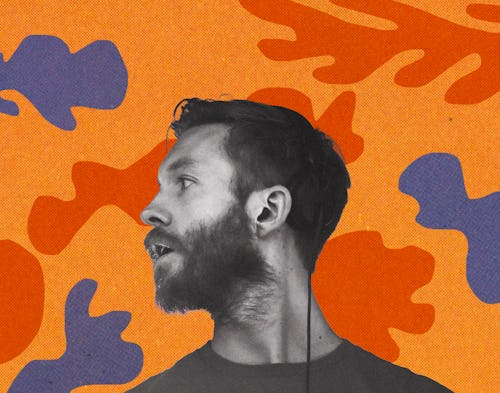
The images are colorful, and busy, an obvious rejection of the sterile corporate minimalism that dominates our culture today. Even though a cursory glance confirms the presence of photo filters that soften and standardize, it doesn’t take much imagination to remember these malls as more inviting than their successors—more inviting even than the present day’s coffee shops or spas. But every time I catch myself wishing for a revival of those departed mall aesthetics, I remember that style ceases to be style when it’s merely traced from the original; I remember that the revived spaces would be soundtracked by the thinnest, hollowest echoes of that era’s music, records that retain the base signifiers of gloss and funk and delirious excess, with none of the genuine verve to animate it—records, in other words, like Calvin Harris’ Funk Wav Bounces Vol. 2.