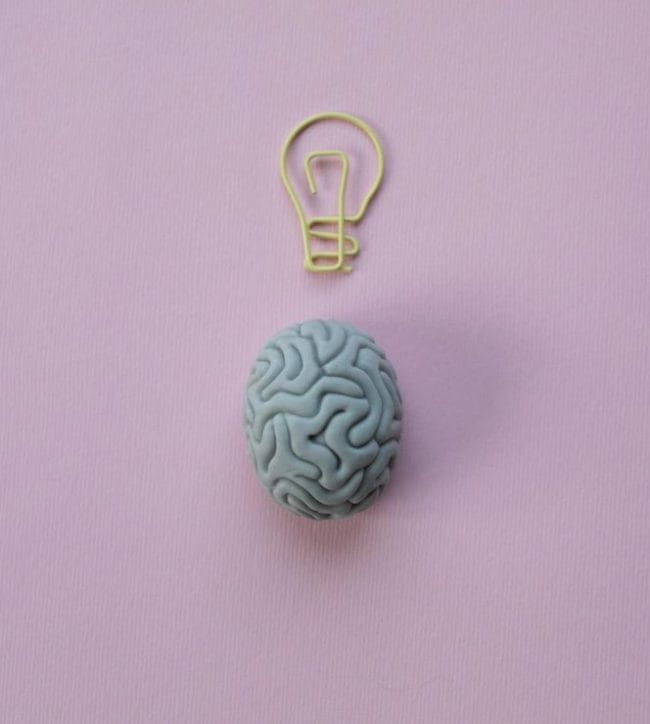
When people think about wealth, they usually picture savings accounts, retirement funds, or rising home values. But a growing group of researchers and economists says one of the world’s most valuable assets sits inside our skulls. The conversation around brain health is shifting from a medical issue to an economic one, with experts linking stronger cognitive function and healthier brains to trillions in potential global value. Some analyses tied to workplace wellness, mental health, and neurological resilience suggest improving brain outcomes could unlock as much as $26 trillion in economic opportunity worldwide.

Why White Matter Integrity Matters More Than Most People Realize
White matter acts like the brain’s communication highway, helping different regions exchange information quickly and efficiently. When white matter integrity weakens, people may experience slower processing speed, memory changes, reduced focus, or difficulty managing complex tasks. Scientists have connected white-matter damage with aging, stroke risk, depression, dementia, sleep disruption, and chronic stress. Think of a busy city where damaged roads slow emergency vehicles, deliveries, and daily commuters. The brain works similarly when neural connections lose efficiency.
Preserving white matter integrity is increasingly viewed as a practical brain health goal, not just a neuroscience buzzword. Researchers studying cognitive aging continue to emphasize how healthy neural connections support decision-making, learning, and emotional regulation. That matters not only for older adults but also for working professionals, caregivers, students, and families. Better brain health can influence everything from productivity to quality of life. The idea is simple: stronger connections often support stronger cognitive performance.
The Surprising Economic Case for Better Brain Health
The modern economy runs on cognitive skills like creativity, problem-solving, emotional intelligence, and adaptability. That means poor brain health is no longer just a personal struggle; it can affect workforce productivity, innovation, and healthcare spending. Global estimates suggest mental and neurological disorders already cost trillions annually, with costs projected to climb sharply over the next decade. Experts promoting the “brain economy” framework argue that stronger brain health creates stronger economies. In a knowledge-driven world, cognitive wellness has become a serious economic issue.
Organizations studying human capital increasingly highlight the financial upside of investing in mental wellness and cognitive resilience. Some projections point to approximately $26 trillion in broader economic opportunity when businesses and societies prioritize healthier brains. That does not mean one wellness trend will magically transform the economy overnight. Instead, it reflects how improved learning capacity, reduced burnout, stronger innovation, and healthier aging could create long-term value. Protecting brain function may be one of the most overlooked economic strategies of the modern era.
Everyday Habits That Help Protect White Matter
Many people assume preserving white matter integrity requires expensive technology or advanced medical treatment. In reality, several evidence-backed habits support brain health across adulthood. Regular aerobic exercise, blood-pressure management, quality sleep, social connection, and balanced nutrition consistently appear in brain-health research. These daily choices can influence cardiovascular health, which is closely tied to cognitive outcomes. Small, repeatable habits often matter more than dramatic short-term fixes.
Consider the midlife professional juggling deadlines, poor sleep, and skipped workouts. Over time, unmanaged stress, inactivity, and cardiovascular strain can quietly influence brain aging. Addressing those factors early may help support healthier white matter and reduce future cognitive risks. That does not guarantee disease prevention, but it reflects what researchers increasingly understand about long-term brain maintenance. Protecting brain health often starts with practical choices people can begin making today.
Employers and Families Both Have a Stake in Cognitive Wellness
The brain health conversation is expanding beyond hospitals and research labs. Employers are paying closer attention because cognitive fatigue, burnout, anxiety, and chronic stress directly affect performance and retention. Studies tied to workplace wellness suggest investing in employee health could generate enormous gains through better productivity and reduced absenteeism. A mentally healthier workforce can support innovation, collaboration, and resilience during economic uncertainty. Businesses increasingly recognize that cognitive wellness is not separate from business performance.
Families also carry a major burden when brain health declines. Dementia care, caregiving demands, and lost work hours can strain household finances for years. That is why experts increasingly frame brain health as both a public health issue and a financial planning issue. Protecting cognitive function may be just as important as protecting heart health or retirement savings. Brain health affects homes, workplaces, and communities alike.
Your Brain May Be Your Most Valuable Asset
The biggest takeaway is simple: brain health is not a luxury topic reserved for scientists or older adults. The quality of your sleep, stress management, movement habits, and mental wellness choices today may influence cognitive resilience tomorrow. As research continues connecting brain function with economic productivity, preserving white matter integrity looks less like an abstract health goal and more like a real-world investment. Prevention, awareness, and healthier environments may play a powerful role in shaping future outcomes. Protecting your brain could be one of the smartest investments you ever make.
What changes, if any, are you making to protect your brain health? Do you believe cognitive wellness deserves the same attention as physical fitness and financial planning? Share your thoughts and experiences in the comments — your perspective could help someone else start the conversation.
What to Read Next
Just Squeeze Your Abs: Tiny Muscle Contractions Help Flush Toxins from the Brain
Creatine Isn’t Just for Gym Rats—It Boosts Brain & Mood, Especially in Women
The post Brain Health Is Wealth: Experts Say Preserving White Matter Integrity Could Unlock $26 Trillion in Economic Value appeared first on Budget and the Bees.