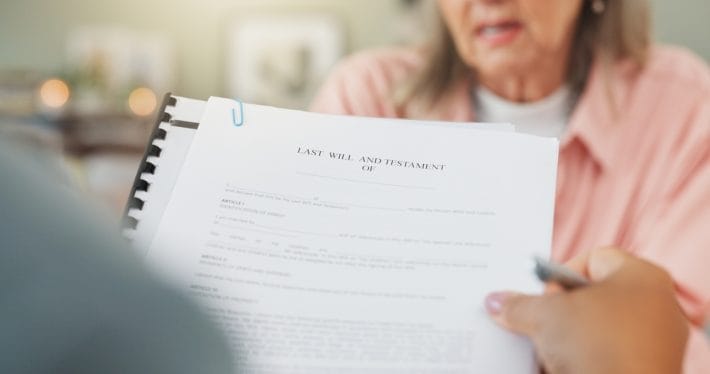
For decades, estate planning meant sitting in a lawyer’s office, signing stacks of paper, and locking original documents in a fireproof safe. In 2026, that process is changing rapidly as more states recognize electronic wills, remote witnessing, and digital signatures for estate planning documents. Some families are even exploring blockchain-based storage systems to protect wills and prevent tampering. While traditional estate plans still dominate, the rise of “virtual” estate planning is making it easier for busy families, retirees, and long-distance relatives to handle critical legal paperwork without endless in-person meetings.