Biological control uses natural enemies to suppress invasive pests and has been practised for more than a century as an alternative to chemical pesticides. The technique has often been successful, but in some cases introduced organisms have had unexpected effects on native species.
Get breaking news anytime, anywhere. Download the TOI app now!
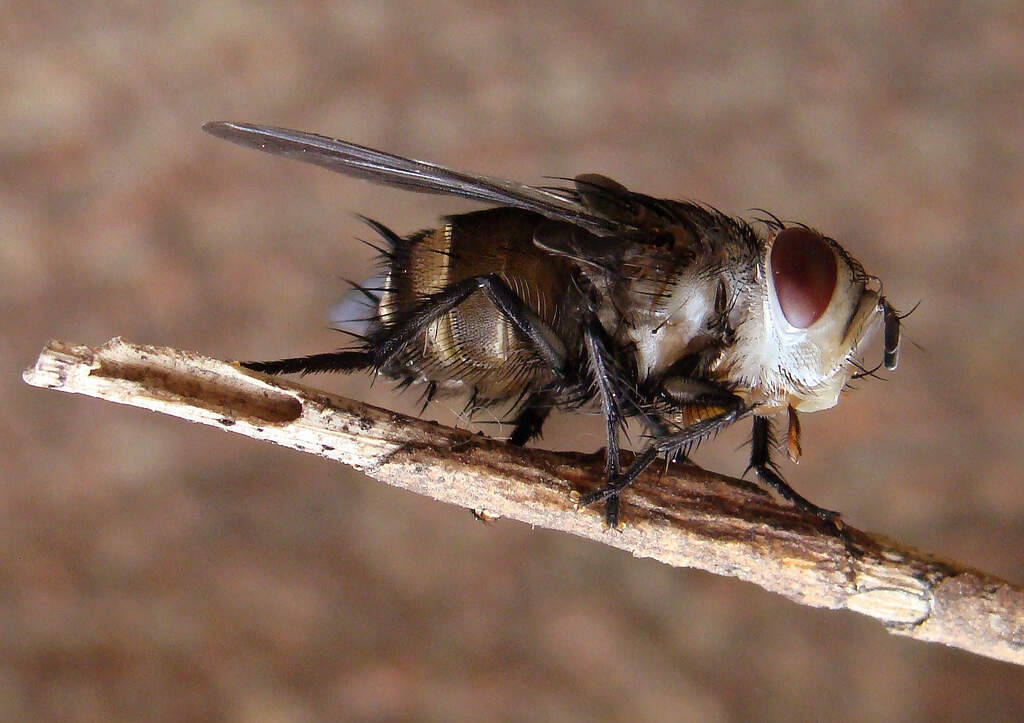
One of the best-known examples comes from the Conservation Biology study by George H. Boettner, Joseph S. Elkinton and Cynthia J. Boettner. Using field experiments and observations from forests in Massachusetts, the researchers examined the impact of the introduced parasitic fly Compsilura concinnata on three native silk moth species. Their findings suggested that the biological control agent had become an important source of mortality for native moths that were never intended to be part of the programme.
The researchers note that Compsilura concinnata was first introduced into North America in 1906 as a biological control agent against the gypsy moth and other invasive forest pests. Further releases followed as officials attempted to manage other introduced forest pests, reflecting the growing confidence in biological control as an alternative to repeated insecticide use.
Unlike many parasitoids, Compsilura concinnata is not limited to a single host. Because Compsilura concinnata is a generalist parasitoid that can attack a wide range of moth and butterfly species, researchers have raised concerns about its potential effects on native insects. The study examined this question in the field.
When native silk moths become unintentional hosts
To investigate the problem, the researchers carried out field studies on the cecropia moth (Hyalophora cecropia) and the promethea moth (Callosamia promethea), while also examining records relating to the luna moth (Actias luna) to assess the effects of the introduced fly on native saturniid moths. Although their larvae feed on trees and shrubs, they usually occur in numbers too small to cause significant harm and are part of natural forest ecosystems.
The research team combined field experiments with collections of wild caterpillars. Young larvae were placed on host plants and monitored, while wild caterpillars were reared in the laboratory to determine whether the introduced fly emerged from them instead of adult moths. This allowed the researchers to compare what happened under natural conditions with the results of their controlled experiments.
The clearest evidence came from experiments involving the cecropia moth. In one field experiment, laboratory-reared cecropia moth larvae were transferred onto natural host plants at woodland sites, allowing the researchers to monitor their survival and identify causes of mortality, including parasitism by Compsilura concinnata. Most of the exposed larvae were killed by the parasitoid, highlighting the potential risks to native silk moth populations. Examination of recovered caterpillars showed that Compsilura concinnata accounted for a substantial proportion of the mortality observed during the earliest stages of development. The researchers also noted that parasitism became much less common as caterpillars reached later stages of development.
Observations from naturally occurring caterpillars supported the experimental findings. Caterpillars collected from the wild sometimes appeared healthy when brought back for rearing, yet later produced adult flies rather than completing their development as moths. According to the researchers, these findings showed that parasitism by Compsilura concinnata was occurring in the wild and was not just a result of the experimental setup.
The promethea moth showed a similar pattern. Although survival varied between study sites and years, the introduced fly again emerged as an important cause of mortality. In one experiment, Compsilura concinnata parasitised more than half of the exposed promethea moth (Callosamia promethea) larvae, with parasitism rates reaching 69.8% after six days and 65.6% after eight days. The researchers said this level of parasitism could reduce the number of caterpillars that survive to adulthood, especially because these moths produce only one generation a year.
For the third species, the tulip-tree silkmoth, the scientists tested caterpillars captured in the wild. The same pattern emerged: the fly later appeared in many individuals that had initially seemed healthy. Other natural enemies were also identified, but Compsilura concinnata was consistently one of the leading causes of caterpillar mortality.
Lessons learned from a century-old experiment
The researchers cautioned that Compsilura concinnata could not be confirmed as the sole cause of native silk moth declines. Instead, the researchers concluded that the introduced fly was an important source of mortality for the Saturniid moth species they studied. They suggested that the establishment of Compsilura concinnata in New England may have contributed to reported declines in some native silk moth populations, although it was not identified as the sole cause.
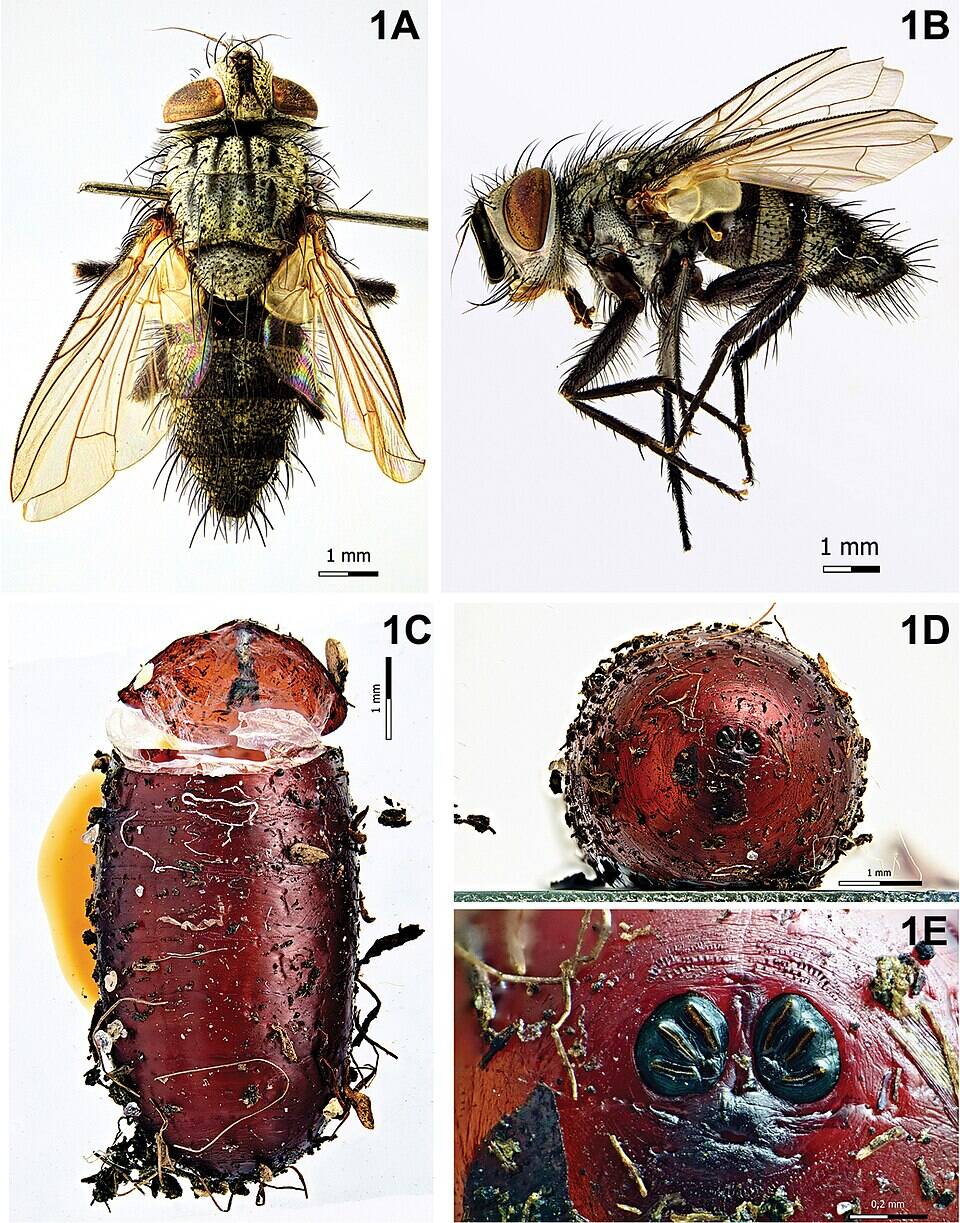
One reason the fly is difficult to control is its unusually broad host range. Rather than relying on a single species, it can reproduce in many different caterpillars as they become available throughout the growing season. This flexibility allows the parasitoid to persist even when the original target pest is scarce, which increases the likelihood that native caterpillars will also be exposed.
Species such as the cecropia and promethea moth generally produce only one generation a year. If many caterpillars fail to survive to adulthood in a single season, the population has limited time to recover before the next breeding cycle. Repeated losses over several years may therefore have a greater effect than they would on insects that reproduce multiple times a year. The researchers observed that mortality was highest during the earliest stages of caterpillar development.
Very young larvae were particularly susceptible, while larger caterpillars appeared less vulnerable. This suggests that mortality early in life can have a lasting effect on the number of adult moths that emerge.
As a generalist parasitoid established in the wild, Compsilura concinnata affects not only the invasive pests it was introduced to control but also other caterpillar species. The authors emphasised that future biological control programmes should consider potential impacts on non-target native species before introducing new agents.
Originally introduced to protect forests from invasive pests, the fly also affected native silk moths, which were not intended to be part of the programme. The findings highlight the need to weigh the benefits of biological control against the risk of unintended harm to native species.