
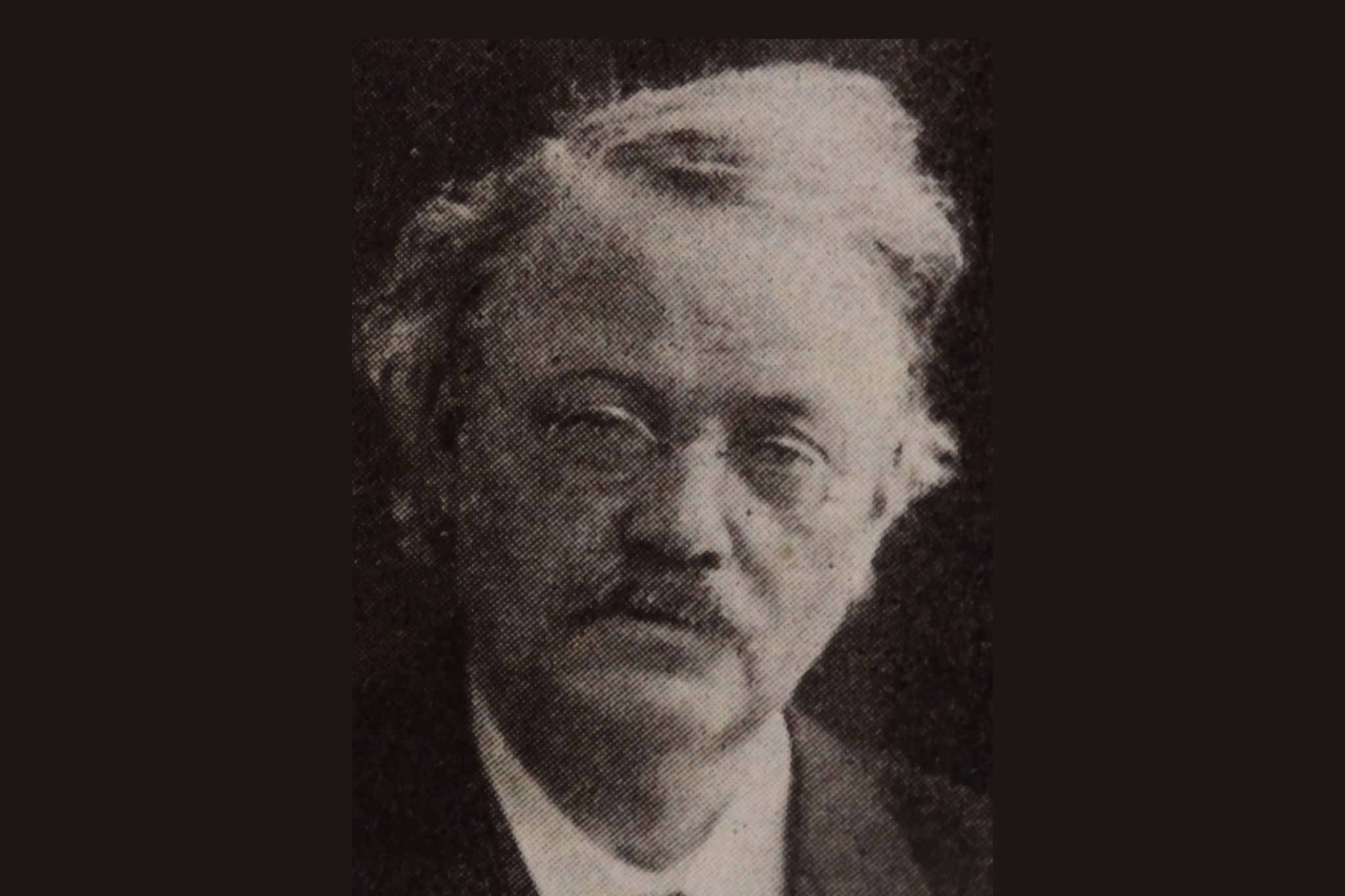
In the pantheon of famous economists, Knut Wicksell is hardly a household name. Unlike Adam Smith, the Swedish interest-rate expert never made it to the face of a banknote. Yet a theory he developed more than a century ago is suddenly relevant again.
In 1898, Wicksell shared the idea that inflation and economic instability stem from an imbalance: It occurs when market interest rates (set by the Fed and by banks) are out of sync with “the natural rate of interest.”
The “natural” rate, Wicksell proposed, is the level of return investors get from investing in the economy as a whole (for instance via stocks) as opposed to the interest they might get from cash deposits or bonds. The U.S. economy is so strong that its natural rate is far above its official rates, which is why interest on American debt is relatively low given its size.
Deutsche Bank believes an updated version of Wicksell’s theory explains why investors can’t quit the U.S., despite the fact that many indicators of its economic health are flashing red: The might of the U.S. economy coincides with its eye-watering debt: Some $39.77 trillion at the time of writing, requiring service payments of $24 billion a week.